



Denim production is notorious for its heavy environmental toll. Traditional garment-washing processes consume enormous volumes of fresh water to create that worn-in look, fade patterns, and soft hand feel. But a cleaner revolution is underway. Laser engraving and ozone gas treatment are two advanced technologies that slash water usage dramatically while still delivering the aesthetic details denim lovers crave. In this article, you’ll learn exactly how laser and ozone washing cut water waste, why they matter for the planet, and what to look for when shopping for truly sustainable jeans.
Conventional denim finishing relies on multiple wet cycles: stonewashing, bleaching, enzyme washing, and rinsing. Each pair can go through several baths, consuming anywhere from 30 to 60 liters of water per garment according to industry estimates. The resulting wastewater is often laden with chemicals, dyes, and particulate matter that require energy-intensive treatment before release. As brands and consumers seek lower-impact alternatives, innovations like laser and ozone finishing have emerged as game-changers.
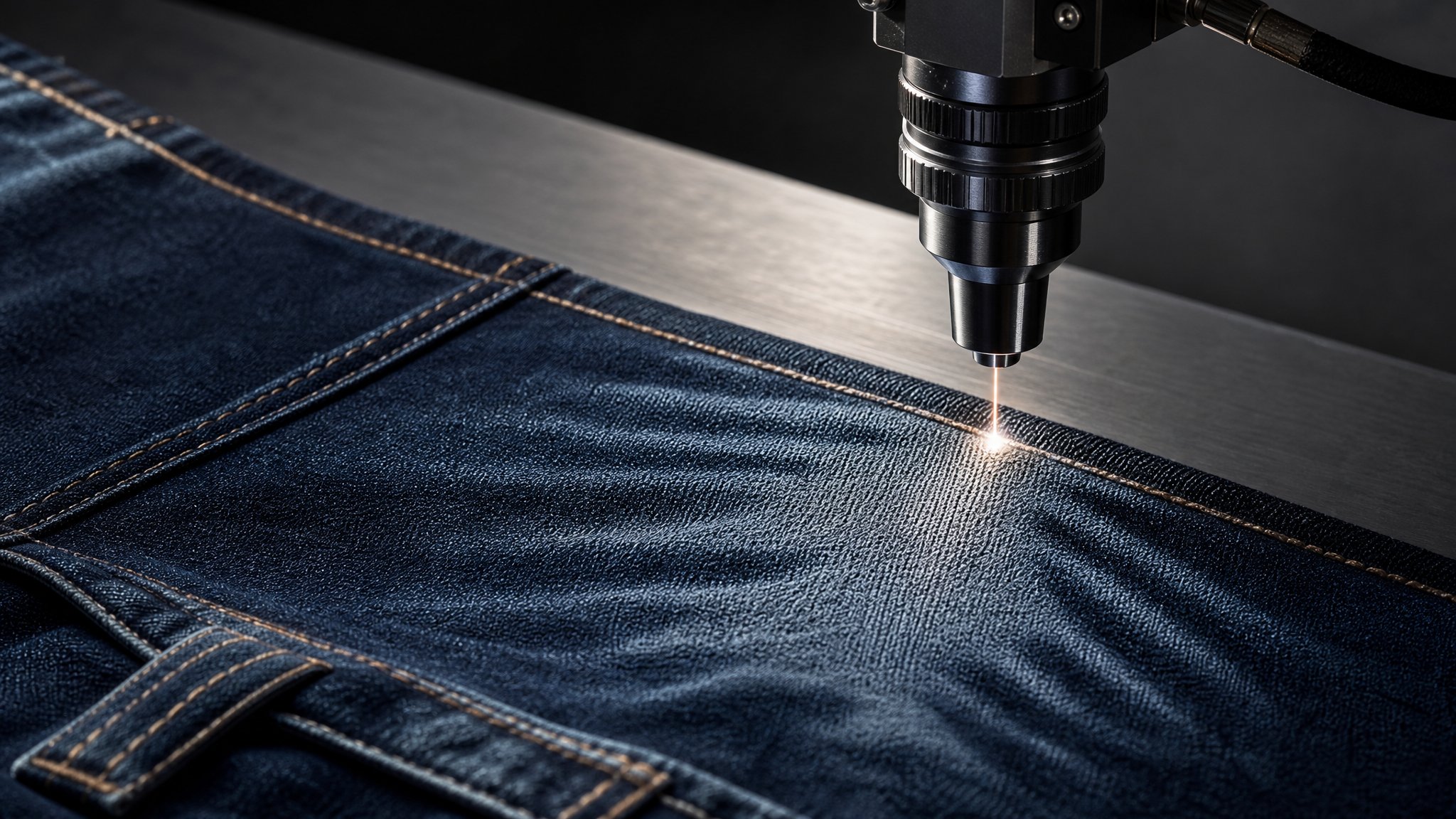
Laser technology uses high-intensity light beams to remove indigo dye from denim fabric with pinpoint precision. A digital pattern is loaded into the laser machine, which then vaporizes or burns away the top layer of dye on the surface without any water, chemicals, or abrasive stones. The result is a clean fade, whisker effect, or even distressed holes—all achieved in a dry, controlled process. Because the operation is digital, it also reduces material waste and allows for consistent reproduction of patterns across multiple pairs.
Ozone (O₃) is a powerful oxidizing gas that can decolorize indigo without water. In a closed machine, ozone gas is circulated through a drum containing dry denim garments. The ozone reacts with the dye molecules, breaking them down and creating a faded, vintage appearance. After the treatment, the ozone naturally reverts to oxygen, leaving no harmful residues. According to sustainable fashion experts, ozone treatment can reduce water consumption by up to 65%, energy use by 20%, and chemical use by 80% compared to traditional wet processes.
The biggest water savings come from substituting multiple wet operations with a single dry step. For example, a typical pair of jeans might require stonewashing (wet), bleaching (wet), and rinsing (wet). Laser can replace stonewashing and create precise fades, while ozone can replace bleaching and soft-hand finishes. Many eco-conscious brands now combine the two: laser creates the pattern and ozone gives a uniform, subtle fade. The result is a pair of jeans that looks authentically worn but leaves a much smaller water footprint.
While exact figures vary by factory and desired finish, a systematic review published in MDPI Sustainability confirms that sustainable treatments like laser and ozone drastically lower water usage compared to conventional methods. Some manufacturers report saving up to 40 liters per pair when switching to these technologies. Over millions of pairs produced annually, the cumulative water savings are equivalent to billions of liters—a critical benefit in water-stressed regions where denim is often manufactured.
Water reduction is only part of the story. Laser and ozone also cut energy consumption (no heating of water), eliminate toxic chemicals like potassium permanganate, and reduce CO₂ emissions from less transportation of materials. Because the processes are automated and precise, fabric waste is minimized. This holistic improvement makes laser and ozone finishing a cornerstone of sustainable denim production, as noted by multiple industry analyses.
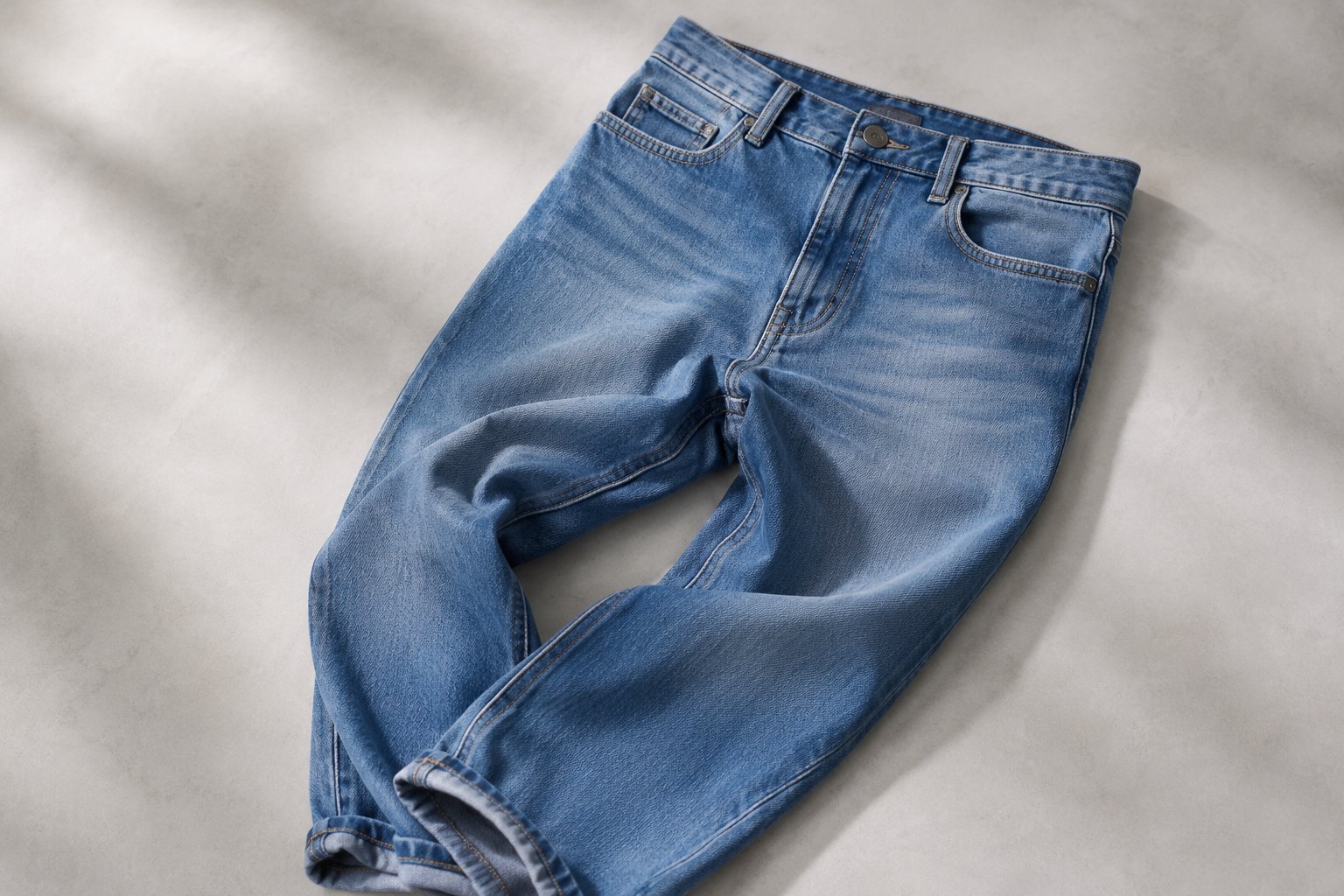
When you are shopping for water-efficient jeans, keep these actionable tips in mind:
Laser and ozone garment-wash technologies represent a genuine leap forward for the fashion industry’s water problem. By replacing wet, chemical-intensive steps with dry, precise methods, they drastically cut water waste and pollution. For the conscious shopper, understanding these innovations empowers better purchasing decisions. When you choose jeans finished with laser and ozone, you not only get high-quality, stylish denim but also support a future where fashion and sustainability go hand in hand.
Laser finishing is a completely dry process, so it eliminates the water used in stonewashing and chemical fades entirely. When combined with ozone washing, total water savings can reach up to 65–80% compared to conventional wet processes.
Yes. Ozone gas breaks down indigo without leaving toxic residues, and after the treatment cycle it naturally reverts to regular oxygen. No chemicals enter waterways, making it a much cleaner alternative to potassium permanganate or chlorine bleach.
Laser and ozone treatments can be tuned to achieve a soft hand feel similar to traditional washed denim. When done correctly, they do not compromise fabric strength. In fact, because there is less mechanical abrasion, the fibers may retain more integrity compared to stonewashing.
Look for keywords like “laser fade,” “ozone wash,” or “dry finish” on product pages or hang tags. Reputable brands often highlight these technologies as part of their sustainability claims. You can also check for third-party certifications like Oeko-Tex or GOTS that may cover finishing processes.
