



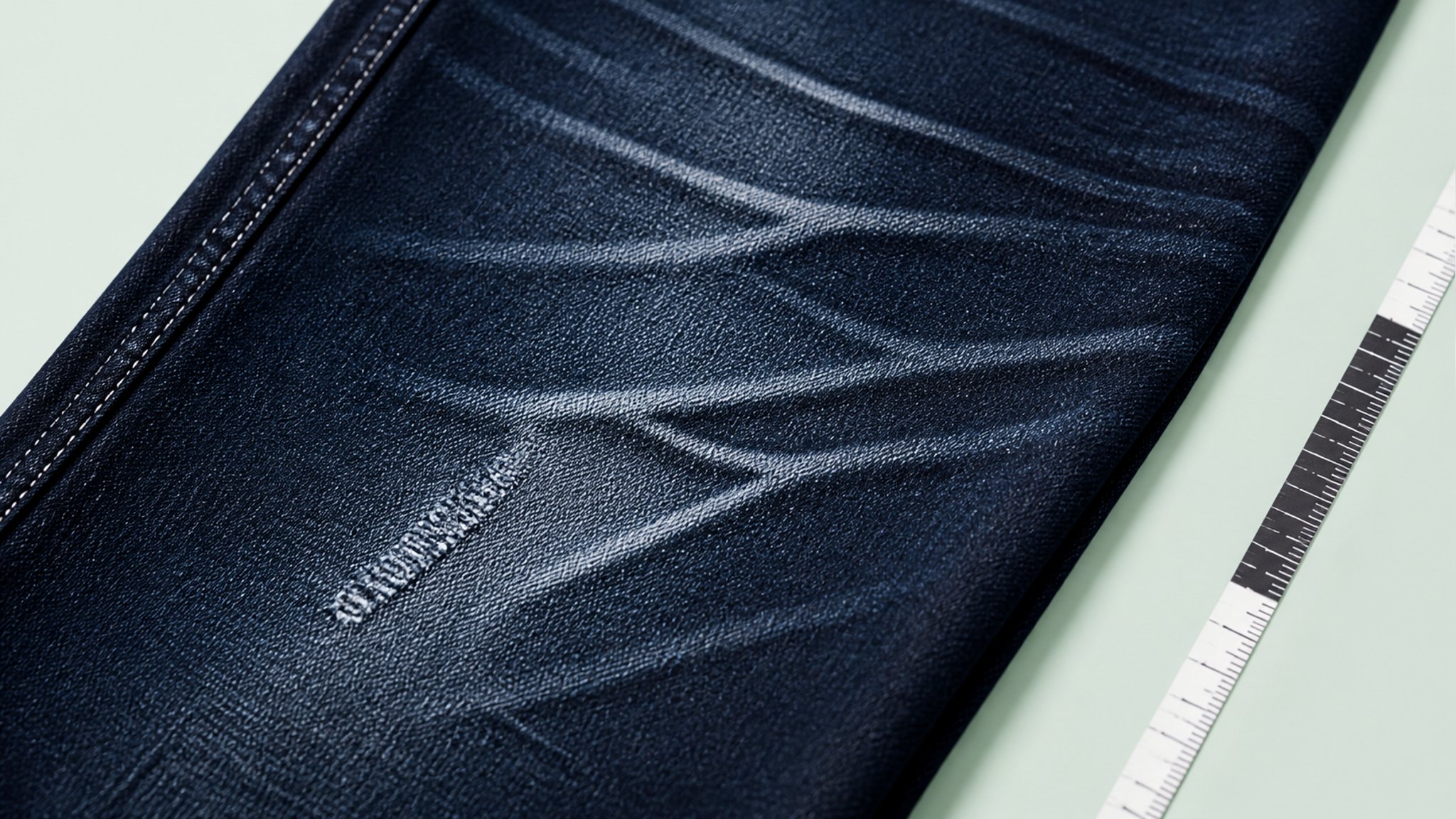
Denim is one of the most water-intensive garments in your wardrobe. A single pair of jeans can consume thousands of liters of water across its life cycle, with a significant share used during the finishing and washing stages to achieve that worn-in look. If you care about reducing your environmental footprint, understanding how your jeans are washed matters. This article explains how laser and ozone denim washing technologies save 50+ liters of water per jean compared to conventional methods. You’ll learn the science behind these innovations, why they matter, and how to choose jeans that align with your values.
By the end of this guide, you’ll be equipped to spot genuinely sustainable denim, avoid greenwashing, and make informed choices that support water conservation—without sacrificing style or quality.
For decades, denim finishing relied on stone washing, acid washing, and multiple rinse cycles to soften fabric and create faded effects. These processes require enormous volumes of water—often 50 to 100 liters per jean just for finishing—plus chemicals that end up in wastewater. The environmental impact is staggering: denim production contributes significantly to water pollution in manufacturing regions. According to AP News reporting on sustainable denim, many brands now seek alternatives to reduce water and chemical use. Laser and ozone technologies are leading this shift.
Laser washing uses focused light beams to burn away indigo dye in precise patterns, creating whiskering, fading, and distressed looks without water or stones. Ozone washing, on the other hand, uses ozone gas dissolved in water to bleach and soften denim, dramatically reducing water and chemical needs. Both methods are recognized as sustainable alternatives in textile research. A study published in Tekstilec confirms that ozone wash and laser fading significantly lower water consumption and environmental impact compared to conventional methods.
How do we arrive at the 50+ liters figure? Conventional denim finishing can use 70–100 liters of water per jean for washing alone. Laser and ozone processes reduce this to as little as 10–20 liters—or even zero for laser-only distressing. The exact savings vary by design and equipment, but independent life cycle assessments consistently show reductions of 50% to 90%. For a typical pair of jeans, that translates to saving at least 50 liters of fresh water. This aligns with findings from the Washington Post’s investigation into sustainable jeans, which highlights water-saving finishing technologies as a key factor in reducing denim’s footprint.
Laser fading replaces manual scraping, sandblasting, and stone washing. A computer-controlled laser beam vaporizes the indigo dye on the fabric surface, creating authentic-looking wear patterns. Because the process is dry, it uses zero water and no chemicals. It also offers unmatched precision—designers can replicate vintage fades consistently across thousands of pairs. This technology not only saves water but also reduces energy and eliminates hazardous dust associated with sandblasting. For a deeper dive, read our guide on how laser fading works.
From a sustainability perspective, laser fading is a game-changer. It eliminates the need for pumice stones (which create sludge) and reduces the number of rinse cycles. While the laser machine itself consumes electricity, the overall environmental footprint is far lower than traditional methods, especially when powered by renewable energy.
Ozone washing uses ozone gas (O₃) injected into water to oxidize indigo dye, creating a bleached or faded effect. Ozone is a powerful oxidizing agent that breaks down dye molecules without harsh chemicals like chlorine bleach. The water can be reused multiple times, drastically cutting consumption. According to scientific research published in Tekstilec, ozone washing reduces water usage by up to 60% compared to conventional bleaching, while also lowering energy and chemical loads.
Ozone systems can be integrated into existing industrial washing machines, making them accessible for many manufacturers. The gas reverts to oxygen after use, leaving no toxic residue. This makes ozone washing a cleaner, safer alternative for workers and the environment.
When laser and ozone are used together—laser for distressing, ozone for overall wash and softening—the water savings multiply. A typical pair of jeans finished with both technologies may use only 20–30 liters of water total, versus 80–100 liters for conventional methods. That’s a saving of 50–70 liters per jean. Multiply that by millions of jeans produced annually, and the potential water conservation is enormous. The ScienceDirect review on laser and ozone for circularity emphasizes that these technologies are essential for moving denim manufacturing toward a circular economy.
Moreover, reduced water use also means less wastewater to treat, lowering pollution risks. This is critical in denim-producing regions where water scarcity is acute.
Sustainable doesn’t mean boring. Laser and ozone technologies allow for a wide range of finishes—from subtle vintage fades to bold distressed looks—with high precision and consistency. Because the processes are gentler on fabric (no abrasive stones), jeans often last longer, reducing the need for frequent replacement. This aligns with the principles of slow fashion. For more on choosing quality eco-friendly denim, see our guide to spotting quality in eco-friendly denim.

Laser and ozone denim washing are proven technologies that save 50+ liters of water per jean compared to conventional methods. They reduce chemical use, energy consumption, and pollution, while still delivering the styles consumers love. By choosing jeans made with these processes, you support a more sustainable denim industry.
Key takeaways: laser fading is a dry process that eliminates water entirely for distressing; ozone washing cuts water and chemicals significantly; combined, they can save over 50 liters per jean; and transparency from brands is essential. For more on eco-friendly denim options, explore our best eco-friendly jeans guide or browse our jeans collection.
Laser washing is a dry process that uses zero water for creating distressed effects, whereas stone washing can use 50–100 liters per jean. So laser washing can save at least 50 liters per jean for the distressing step alone.
Yes, ozone washing is considered environmentally friendly. Ozone gas breaks down into oxygen after use, leaves no toxic residue, and reduces the need for harsh chemicals like chlorine bleach. It also allows water to be reused, cutting overall consumption.
No, these technologies can replicate almost any traditional finish, from subtle fades to heavy distressing, with high precision. They are often gentler on the fabric, which can improve durability.
Look for specific mentions of laser or ozone technology in product descriptions, ask for water usage data, and check for third-party certifications or transparent sustainability reports. Vague claims like ‘eco-friendly’ without details may be greenwashing.
