



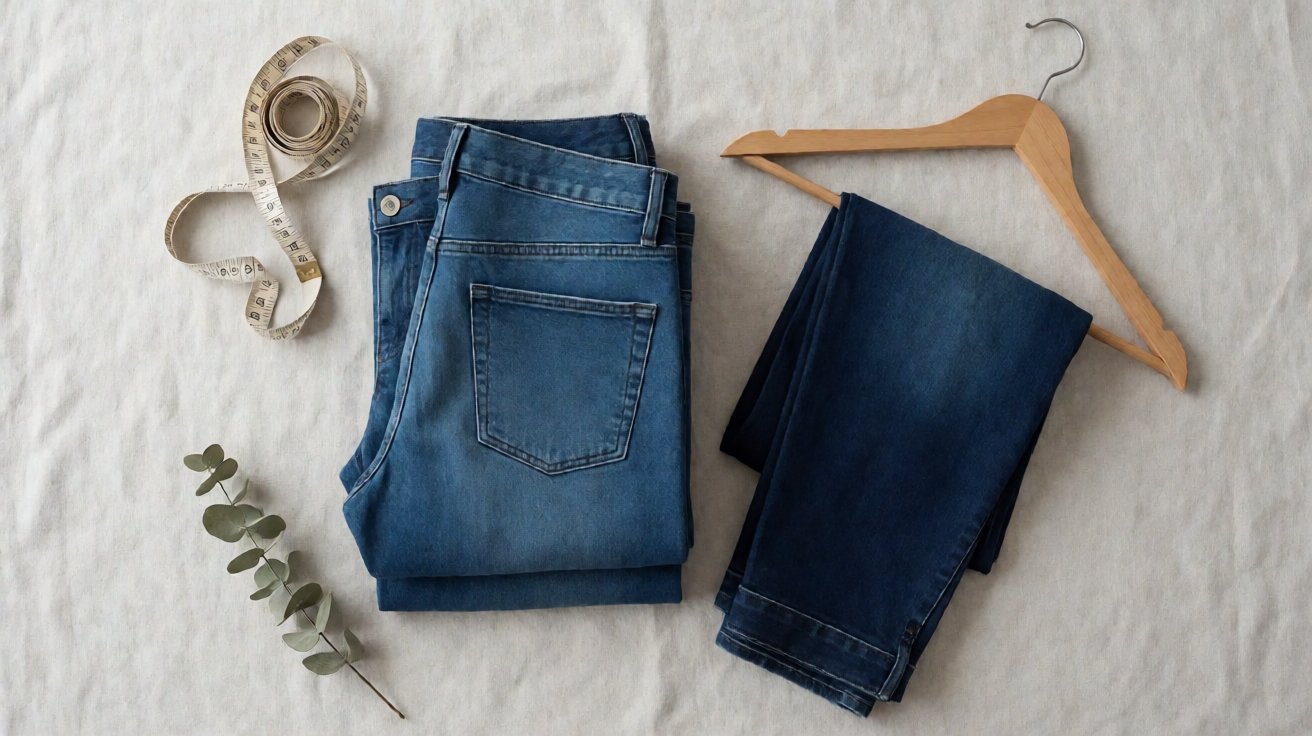
Denim is a wardrobe staple, but its conventional production is notoriously resource-intensive. A single pair of traditional jeans can consume thousands of liters of water and rely on harsh chemical treatments that harm both the environment and the people who make them. As awareness grows, more shoppers are seeking eco-friendly jeans that deliver the same comfort, durability, and style without the ecological footprint. This guide explains what to look for when buying sustainable denim, from fabric and wash techniques to fit and value, and introduces SIFIRbir’s latest low-impact releases.
At SIFIRbir, we produce denim using water-saving laser and ozone garment-wash technology. This approach dramatically reduces water usage and eliminates many toxic chemicals associated with conventional denim finishing. According to recent eco-friendly denim guides, verifying low-impact washes and ethical production is essential for responsible shopping. Our new releases showcase how sustainable methods can achieve premium texture, color fastness, and precise tailoring.
Whether you are new to sustainable fashion or a seasoned conscious consumer, understanding the key factors that make jeans eco-friendly will help you invest in pieces that last longer and align with your values. Read on for a practical, no-nonsense approach to choosing the right pair.
Quality in denim goes beyond just the fabric weight. It encompasses the raw materials, the weaving process, the dyeing method, and the finishing techniques. Eco-friendly jeans should not sacrifice durability or appearance; instead, they should prove that responsible manufacturing can enhance both.
Look for jeans made from organic cotton, recycled fibers, or responsibly sourced cotton. The dyeing process also matters: natural dyes like walnut or coffee extracts reduce chemical load. SIFIRbir’s TheBelief Walnut Dyed Jeans use walnut for a rich, earthy tone without synthetic dyes. Similarly, the SELFNESS x SIFIRbir Coffee Touched Jeans incorporate coffee-based processing for a unique finish.
Conventional denim washing consumes enormous amounts of water and relies on pumice stones, bleach, and other chemicals. Eco-friendly alternatives like laser distressing and ozone washing achieve the same worn-in look with a fraction of the water and no toxic runoff. As noted by sustainable denim experts, low-water impact washes are a key indicator of eco denim. All SIFIRbir jeans in this guide use our exclusive low-water, laser and ozone techniques, preserving premium denim texture and long-lasting color fastness.
Durable stitching, reinforced seams, and quality hardware extend a garment’s life. Check for bar tacks at stress points, sturdy buttons, and rivets made from recycled metal when possible. While our product data does not list specific hardware details, the premium construction of each SIFIRbir piece is evident in its tailored shaping and wearability.
The sustainable denim market offers a variety of styles to suit different tastes and body types. Here are the main categories represented in SIFIRbir’s new releases:
Classic Straight/Regular Fit: Timeless and versatile, these jeans work for most occasions. The TheBelief Black Jeans offer a modern minimalist design with exceptional wearability, making them a wardrobe essential. For a deep indigo option, the TheBelief Dark Blue Jeans provide a refined look that pairs with everything.
Natural Dye Limited Editions: For those who want something distinctive, natural dye jeans stand out. The TheBelief Walnut Dyed Jeans feature a warm, organic hue, while the SELFNESS x SIFIRbir Walnut Touched Jeans offer a similar aesthetic with collaborative detailing.
Collaborative Capsule Pieces: Limited-run collaborations often bring unique design perspectives. The SELFNESS x SIFIRbir Exclusive Limited Edition Jeans and SELFNESS x SIFIRbir Coffee Touched Jeans are crafted in small batches, offering exclusivity along with eco-friendly processing.
Beyond jeans, SIFIRbir’s new releases include complementary accessories. The WWII German Military-Inspired Vintage Canvas Bag is a rugged, utilitarian piece made from heavy-duty canvas and genuine leather, perfect for carrying daily essentials. For a casual touch, the Flat Top Retro Cap offers a crisp, structured silhouette in four premium colorways.
Finding the right fit is crucial for comfort and longevity. Since our product data does not include specific measurements, we recommend using SIFIRbir’s standard sizing guidance available on each product page. Pay attention to the fit description: our jeans are described as modern minimalist with precise tailored shaping, suggesting a contemporary, slightly tapered silhouette.
When in doubt, measure a pair of well-fitting jeans you already own and compare the waist, hip, and inseam measurements to the size chart. Consider the rise: a mid-rise or high-rise tends to be more flattering and comfortable for most body types. Also, account for stretch. While our data does not specify fabric content, many premium denim fabrics include a small percentage of elastane for flexibility. If you prefer a rigid, vintage feel, look for 100% cotton options.
Remember that sustainable denim may have a slightly different hand feel due to eco-friendly processing. It should still conform to your body with wear. If you are between sizes, we generally recommend sizing down for stretch denim and sizing up for rigid denim, but always check the product’s specific guidance.
Eco-friendly jeans often cost more than conventional fast fashion, but the value lies in durability, ethical production, and reduced environmental impact. SIFIRbir’s denim is priced at $689, reflecting the premium materials, low-water washing techniques, and limited-run nature of these pieces. This price point is competitive for sustainably made jeans that prioritize skin safety and planetary protection.
For those seeking entry-level accessories, the Flat Top Retro Cap is available at $210, offering a handcrafted, limited-stock piece from a renowned Turkish brand. On the higher end, the WWII German Military-Inspired Vintage Canvas Bag is priced at $3399, reflecting its heavy-duty construction, genuine leather details, and faithful reproduction of a military field pack. While not denim, it demonstrates the same commitment to quality and longevity.
When evaluating price, consider cost per wear. A well-made pair of jeans that lasts five years is ultimately more economical than replacing cheaper pairs annually. Additionally, supporting brands that use water-saving technology helps drive industry change, making the premium a worthwhile investment.
Based on our new releases, here are our top recommendations for different needs:
Best Overall Eco-Friendly Jean: TheBelief Black Jeans — A versatile, modern minimalist pair that combines low-water washing with premium denim texture. Ideal for anyone building a sustainable wardrobe foundation.
Best for Unique Color: TheBelief Walnut Dyed Jeans — The natural walnut dye gives a distinctive, earthy tone that stands out from standard indigo. Perfect for those who want character without synthetic dyes.
Best Limited Edition Statement: SELFNESS x SIFIRbir Exclusive Limited Edition Jeans — A rare collaborative piece that merges tailored aesthetics with revolutionary low-impact manufacturing. Suits collectors and fashion-forward buyers.
Best Accessory for Denim Lovers: Flat Top Retro Cap — Handcrafted in Türkiye, this cap adds a crisp, retro touch to any denim outfit. Available in four premium colorways, but stock is extremely limited.
Best Rugged Companion: WWII German Military-Inspired Vintage Canvas Bag — For those who appreciate utilitarian design and durability, this canvas and leather bag is a substantial investment piece that will last for years.
Choosing eco-friendly jeans is about more than just the label; it’s about understanding the entire production chain. Look for brands that use low-water washing techniques, natural or low-impact dyes, and durable construction. SIFIRbir’s new releases demonstrate that sustainable denim can be both stylish and responsibly made, without compromising on quality.
As you shop, remember that the most sustainable garment is the one you wear for years. Invest in timeless styles, care for them properly, and repair rather than replace when possible. By making informed choices, you contribute to a cleaner denim industry and a healthier planet. Explore our full New Releases collection to find your next eco-friendly favorite.
Eco-friendly jeans are made with sustainable materials like organic or recycled cotton, use low-water washing techniques such as laser and ozone, and avoid toxic chemicals. SIFIRbir jeans use water-saving laser and ozone garment-wash technology to reduce environmental impact.
Yes, when properly constructed. SIFIRbir jeans preserve premium denim texture and long-lasting color fastness while using low-impact methods, ensuring durability comparable to or better than conventional denim.
Wash less frequently, use cold water, and air dry to extend the life of your jeans and conserve resources. Always follow the care instructions on the garment label.
Natural dyes like walnut may fade slightly over time, developing a unique patina. This is part of the charm and does not indicate lower quality. SIFIRbir’s walnut-dyed jeans are designed for long-lasting color fastness.
