



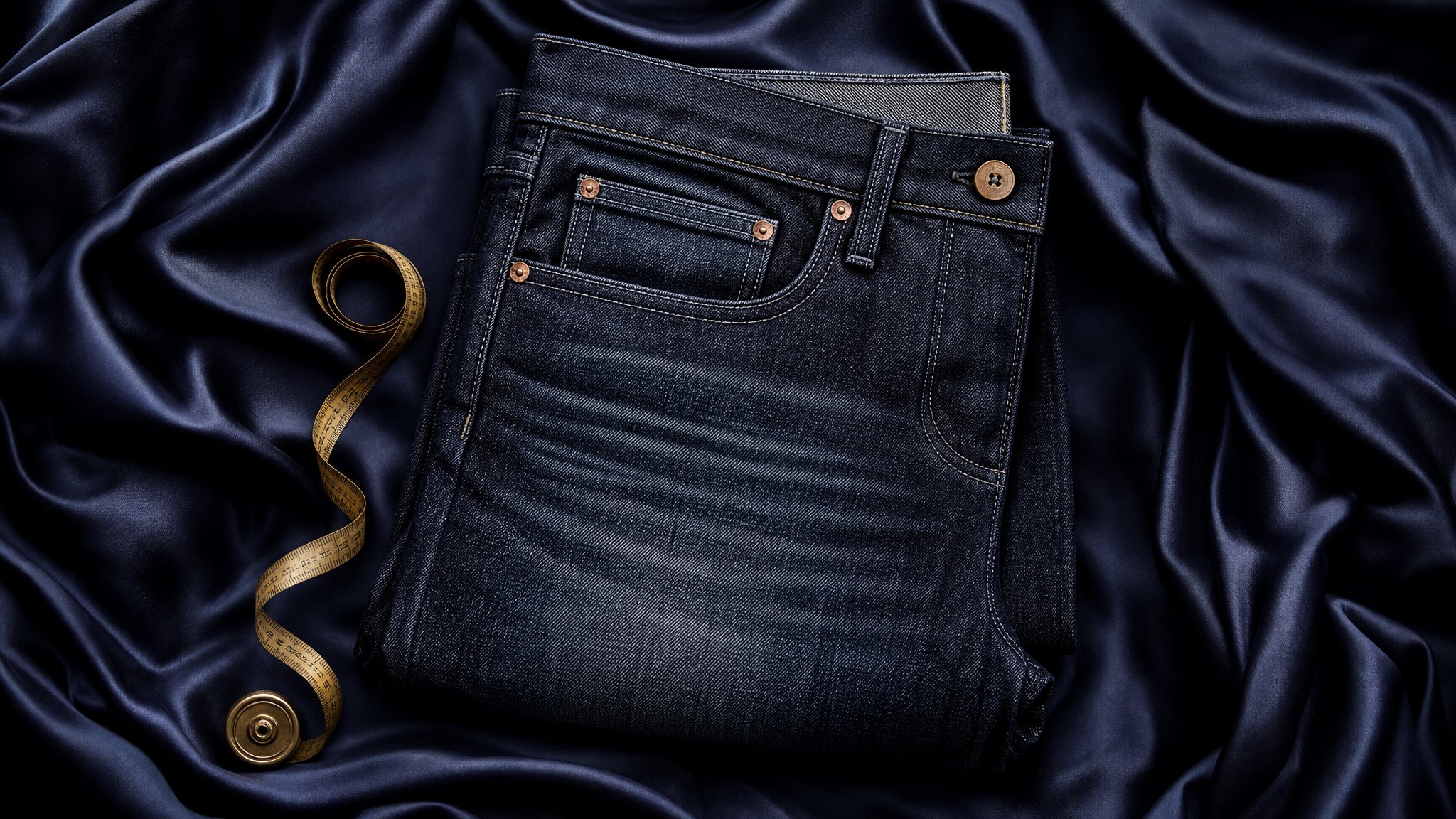
As consumers become more environmentally conscious, the fashion industry has responded with a flood of ‘eco-friendly’ denim claims. But not all green promises are created equal. Greenwashing — when brands overstate or fabricate their environmental efforts — makes it difficult to know which jeans truly reduce water waste, avoid toxic chemicals, and use sustainable materials. This guide helps you cut through the noise, focusing on key quality indicators and production methods that genuinely matter. We’ll explore how to evaluate eco jeans using real-world examples from SIFIRbir’s New Releases, including denim crafted with innovative low-water laser and ozone garment-wash technology.
Understanding the difference between marketing hype and verifiable practices is essential. According to a recent Associated Press report on sustainable denim, many brands use vague terms without third-party certification or transparent supply chains. The best way to avoid greenwashing is to look for specific, measurable claims — such as exactly how much water is saved or what processes replace traditional chemical treatments. SIFIRbir’s approach, detailed in their product descriptions, replaces conventional methods with exclusive green production standards that preserve fabric quality while protecting the planet.
Genuine sustainable denim starts with the fabric. Traditional cotton farming consumes enormous amounts of water and pesticides, but eco-conscious brands increasingly turn to organic or recycled fibers. While the provided product descriptions mention ‘eco fabric’ and ‘low-water washing techniques,’ they focus on the production process rather than the fiber source. However, the emphasis on preserving ‘premium denim texture’ and ‘long-lasting colour fastness’ indicates that quality is not sacrificed for sustainability. When evaluating eco jeans, prioritize brands that are transparent about their raw materials — whether organic cotton, hemp, or post-consumer recycled denim. SIFIRbir’s collaboration pieces, like the SELFNESS x SIFIRbir Coffee Touched Jeans, use innovative nü-kitchen processing that upgrades the washing stage while maintaining a refined silhouette.
One of the most effective ways to avoid greenwashing is to understand the manufacturing technologies behind the jeans. Conventional denim finishing relies on harsh chemicals and massive water volumes to achieve worn-in looks. In contrast, laser and ozone garment-wash technologies precisely target fabric surfaces, reducing water usage by up to 90% and eliminating toxic discharge. SIFIRbir explicitly states that their jeans replace outdated, wasteful production with industry-optimized low-water washing techniques. This is a clear, verifiable claim — far more credible than vague ‘eco-friendly’ labels. Reputable sources like The Good Trade’s 2026 review of sustainable jeans highlight that such innovations are hallmarks of truly ethical denim brands.
A truly sustainable garment is one that lasts. Fast-fashion jeans often fade, stretch, or tear after a few washes, leading to premature disposal. SIFIRbir’s product data emphasizes ‘long-lasting colour fastness’ and ‘exceptional durability’ achieved through their refined processes. When shopping, look for descriptions that speak to construction quality — reinforced stitching, robust hardware, and fade-resistant dyes. These factors indicate that the jeans will remain in rotation for years, reducing overall environmental impact. The TheBelief Black Jeans, for example, are described as preserving premium denim texture while delivering sustainable performance, suggesting a product built to last.
The New Releases collection offers a range of denim options, each with distinct aesthetics and eco-credentials. The TheBelief line includes three colorways — Black, Walnut Dyed, and Dark Blue — all priced at a premium level and crafted using SIFIRbir’s low-water methods. These jeans integrate modern minimalist design with exceptional wearability, suitable for those who prefer a clean, versatile look. The SELFNESS x SIFIRbir collaboration presents limited-run styles like the Coffee Touched Jeans, Walnut Touched Jeans, and an Exclusive Limited Edition. These pieces merge tailored aesthetics with revolutionary low-impact manufacturing, emphasizing skin safety and planetary protection through exclusive nü-kitchen innovation. For a different category, there’s the WWII German Military-Inspired Vintage Canvas Bag — a substantial canvas item with genuine leather details — and the Flat Top Retro Cap, an entry-level accessory. While not denim, they reflect the brand’s commitment to durable, thoughtfully made goods.
Each denim style offers a distinct personality. The TheBelief jeans are ideal for those who want a straightforward, high-quality everyday jean with no frills. The SELFNESS collaboration appeals to buyers seeking a conversation-starting piece that highlights innovative eco-processing. When browsing, check the specific product page for details on color, fit, and unique features. Remember, the price of each jean is $689, reflecting the advanced technology and limited production nature of these releases.
Selecting the correct size is crucial for both comfort and sustainability — a well-fitting pair of jeans will be worn far longer. Unfortunately, the provided product data does not include specific measurements or size charts. However, given that these are premium denim pieces, it’s wise to consult the sizing guide on each product page if available. Generic advice for raw or treated denim: if you’re between sizes, consider sizing up for a relaxed fit or down for a tailored look, depending on your preference. The descriptions mention ‘precise tailored shaping’ for the TheBelief jeans, suggesting they run true to size with a modern cut. For the SELFNESS collaborations, the phrase ‘flawless fit’ and ‘refined silhouette’ indicates a more form-conscious design. Always read customer reviews or contact customer service for fit clarification. Remember, a good fit extends the life of your jeans, making them a smarter eco-choice.
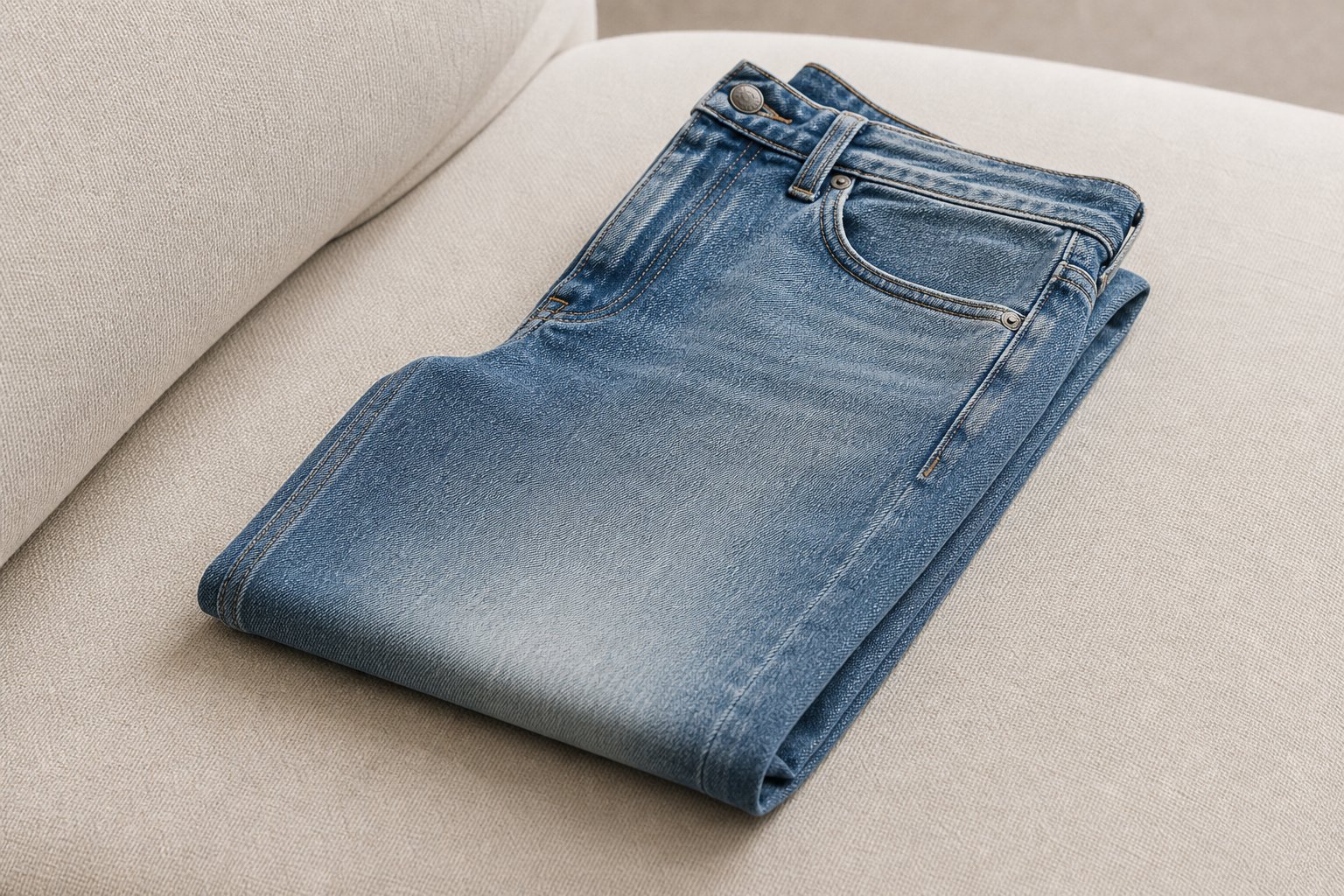
Understanding what you’re paying for is key to avoiding greenwashing. The jeans in this collection are priced at $689 each, a premium tier that reflects the cost of sustainable innovation — from R&D in laser and ozone technology to limited production runs. In contrast, the Flat Top Retro Cap is an entry-level item at $210, offering a taste of the brand’s quality without the denim investment. The WWII canvas bag, at $3399, is a specialty piece for collectors of vintage military-style accessories. When assessing value, consider that truly sustainable denim often carries a higher upfront cost but delivers superior durability, lower environmental impact, and timeless style. Cheap jeans are rarely eco-friendly; they cut corners on materials and processing. As noted by Curiously Conscious’s guide to sustainable jeans brands, investing in a well-made pair from a transparent brand is more economical in the long run.
Based on the available products, here are three recommended choices for different buyers:
TheBelief Black Jeans – Best for minimalists who want a versatile, dark wash jean that pairs with anything. The low-water washing ensures the color stays rich, and the tailored shape offers a modern silhouette.
SELFNESS x SIFIRbir Coffee Touched Jeans – Ideal for eco-conscious fashion enthusiasts who appreciate unique processing methods. The coffee-inspired hue and limited-run nature make these a standout piece that sparks conversation about sustainable innovation.
TheBelief Walnut Dyed Jeans – Suited for those seeking a warm, earthy tone that’s still neutral enough for daily wear. Like the other TheBelief styles, they combine durability with a responsible production footprint.
For a complete overview of all available styles, visit the New Releases category page.
Avoiding greenwashing requires a critical eye and a willingness to look beyond the label. Focus on brands that transparently explain their manufacturing processes — like SIFIRbir’s use of laser and ozone washing, water-saving techniques, and innovative nü-kitchen methods. Check for third-party certifications, though these aren’t always present; sometimes the product description itself, if detailed and specific, is a strong indicator. Remember that sustainable fashion is not just about materials; it’s about longevity, ethical labor, and reduced chemical use. By choosing jeans from a brand that replaces ‘outdated, wasteful traditional denim production’ with verifiable eco-friendly alternatives, you’re making a genuine impact. Invest in pieces that align with your values and will accompany you for years — that’s the true meaning of sustainable style.
Greenwashing is when brands exaggerate or falsely claim environmental benefits without concrete proof. For jeans, this might include vague terms like ‘eco-friendly’ without detailing water savings, chemical elimination, or sustainable sourcing. Look for specific technologies like laser finishing and ozone washing that are measurable and verifiable.
SIFIRbir replaces conventional chemical-heavy denim production with exclusive low-water washing techniques, including laser and ozone garment-wash technology. Their product descriptions explicitly state they avoid ‘harsh, toxic chemical treatments and excessive water consumption,’ and they preserve premium denim texture and color fastness. This transparency helps buyers confirm their eco-claims.
Not always, but price often reflects the cost of genuine sustainable practices — such as R&D in low-water technologies, use of premium eco fabrics, and limited production runs. Very cheap jeans are unlikely to invest in these innovations. However, always check the specific claims; a high price alone doesn’t guarantee sustainability.
Eco-labels vary in rigor. Some are third-party certified (e.g., GOTS, OEKO-TEX), while others are self-declared. For brands without certifications, read the product description carefully for detailed process explanations. If a brand describes exactly how they save water or replace chemicals — like SIFIRbir does — it’s a stronger signal than a generic seal.
