



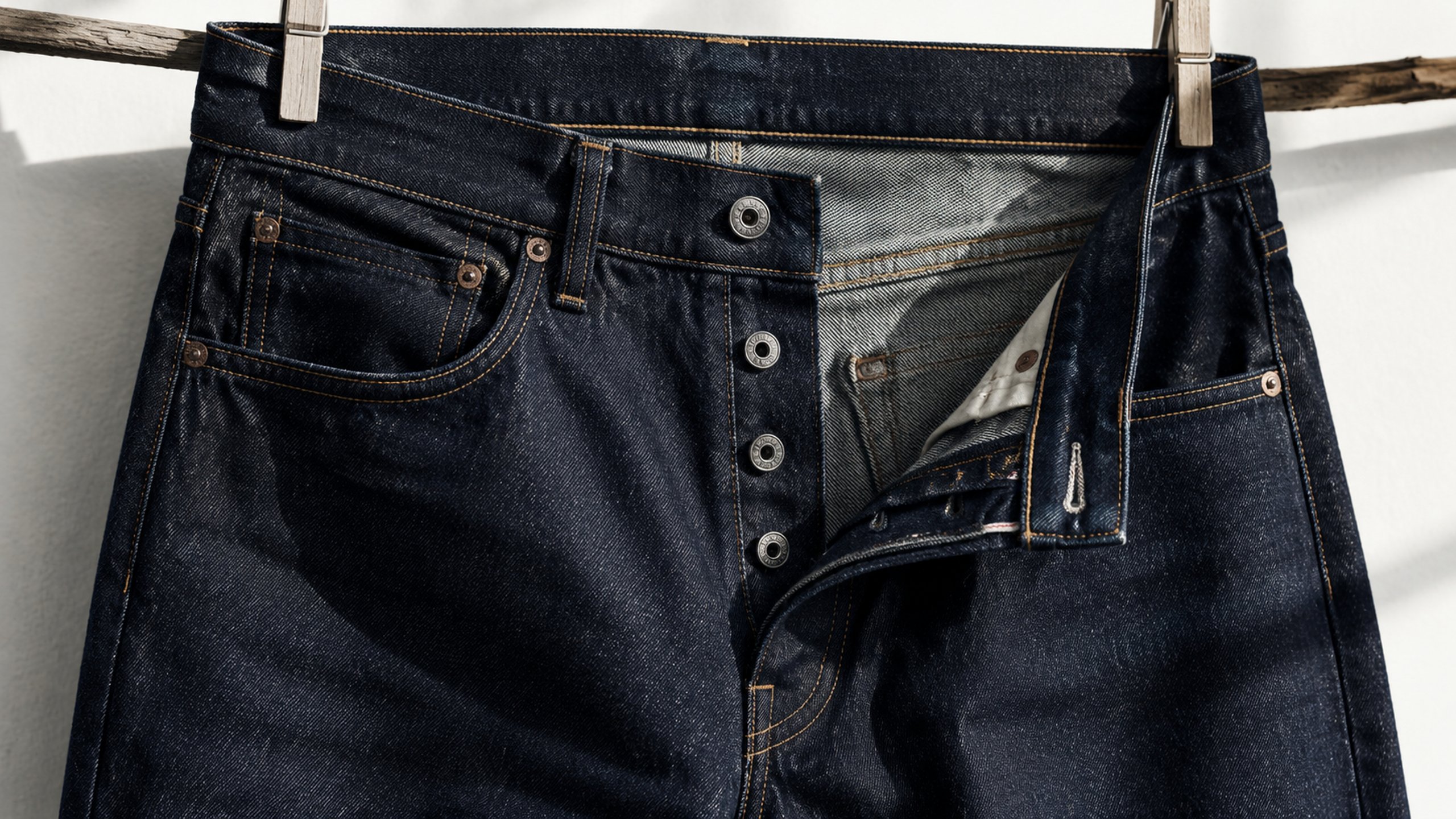
Few wardrobe debates are as persistent as the question of how often to wash jeans. Some people toss them in the laundry after every wear; others go months without a single wash in pursuit of the perfect fade. The truth lies somewhere in between, and for anyone who cares about sustainability—like the shoppers visiting SIFIRbir—understanding the right washing frequency is key to extending garment life and reducing your environmental footprint. In this guide, we’ll break down the science of denim care, explore how washing habits affect fabric and planet, and give you a practical framework for deciding when your jeans truly need a wash. By the end, you’ll have a clear, evidence-based answer to the question: how often should you wash jeans?
Denim production is notoriously resource-intensive—especially conventional cotton farming and water-heavy finishing processes. But the environmental story doesn’t end at the factory gate. A pair of jeans can travel through many washes during its lifetime, and each wash consumes water and energy, and releases microfibers into waterways. According to ABC News’ reporting on sustainable denim, shoppers are increasingly looking for brands that use eco-friendly materials and production methods. However, even the most sustainably made jeans can lose their environmental advantage if they are over-washed. This is why learning to care for your jeans properly is a direct extension of your sustainable purchasing decisions.
A popular belief among denim enthusiasts is that raw or selvedge jeans should never be washed—or at most washed once every six months. While that approach can preserve high-contrast fades, it’s not realistic for most people and can lead to hygiene issues. As Levi’s official denim care guide explains, the key is to wash less often, wash in cold water, and air-dry whenever possible. This reduces environmental impact and helps preserve fit, color, and fabric. The goal isn’t to avoid washing entirely; it’s to wash mindfully.
There is no one-size-fits-all number because frequency depends on how you wear your jeans. For most people who wear jeans for a typical day (office, errands, casual outings), washing every 5 to 10 wears is a good starting point. If you sweat heavily, work in a dirty environment, or wear jeans multiple days in a row, you may need to wash sooner. Conversely, if you only wear them for a few hours or rotate between several pairs, you can stretch to 15–20 wears. The natural fiber of denim actually benefits from infrequent washing: the cotton fibers relax and mold to your body, creating a personalized fit. Over-washing breaks down these fibers and causes premature fading and thinning.
Several variables can nudge the number up or down. Consider these when deciding how often to wash jeans:
Most jeans don’t need a full wash after every wear. Simply hanging them in a well-ventilated area overnight can refresh the fabric. If you notice a small stain or localized odor, spot-cleaning with a damp cloth and mild detergent is often enough. A full machine wash should be reserved for when the jeans are visibly soiled, develop a persistent odor, or have absorbed significant sweat. As the Good Trade’s review of sustainable denim brands highlights, choosing eco-friendly materials like organic cotton or recycled fibers reduces the environmental cost per wash, but the cumulative impact of washing still matters—so wash only when truly needed.
So, how often should you wash jeans? The most sustainable answer is: wash them infrequently but thoughtfully—every 5–10 wears for most people, with spot-cleaning and airing in between. By adopting this habit, you’ll not only extend the life of your favorite jeans but also conserve water, reduce energy use, and keep microplastics out of our oceans. Remember that even the most eco-friendly denim claims come with responsibility on the wearer’s side. For a deeper dive into how washing habits affect denim longevity, read our article on why overwashing ruins your jeans. Choose sustainable denim, care for it wisely, and your jeans—and the planet—will thank you.
No, not washing jeans at all can lead to hygiene issues like odor and bacteria buildup. While infrequent washing is beneficial for denim, occasional washing with cold water and air-drying is necessary to remove dirt and sweat.
Freezing can reduce some odor-causing bacteria, but it does not kill all types and won’t remove dirt or stains. It can be a useful quick refresh but not a substitute for washing.
Wash less frequently (every 5–10 wears), use cold water, turn jeans inside out, air-dry away from direct sunlight, and store them in a cool, dry place. Rotating between multiple pairs also reduces wear.
Some sustainable denim made with natural dyes or special finishes (like laser or ozone treatments) may have specific care instructions. Always check the care label. Many eco-friendly jeans benefit from the same gentle care practices—cold wash, mild detergent, air dry.
