



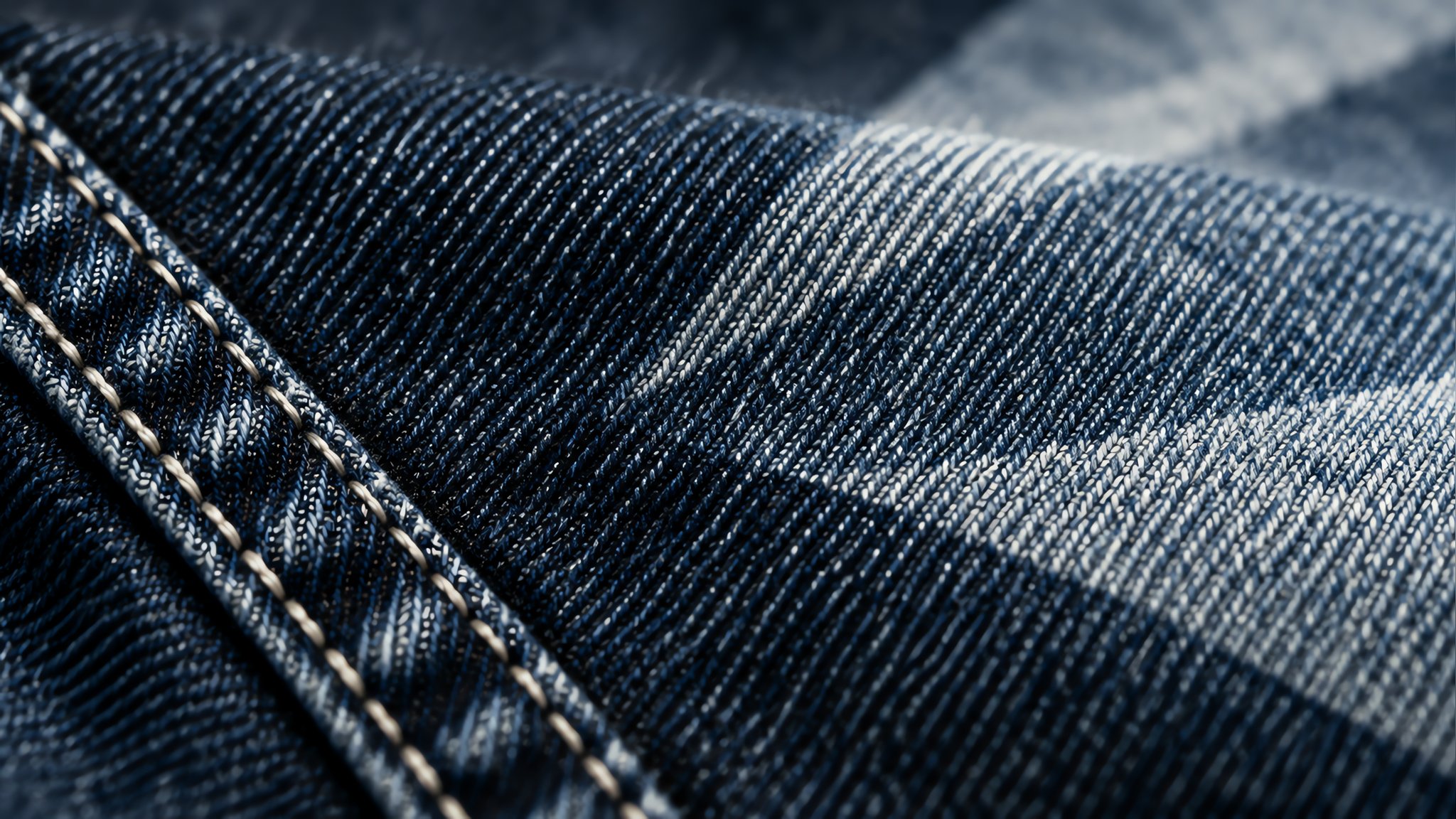
Denim is one of the most beloved fabrics in the world, but its production has long been associated with staggering water consumption. From growing cotton to dyeing and finishing, a single pair of conventional jeans can require thousands of liters of water. As consumers become more environmentally conscious, the fashion industry is under pressure to find innovative solutions. This is where laser and ozone technologies come into play. These advanced methods are transforming denim manufacturing by dramatically cutting water use while still delivering the worn-in looks we love. In this article, you’ll learn how these technologies work, their environmental benefits, and what to look for when shopping for truly water-efficient jeans. By the end, you’ll be equipped to make informed choices that align with your values without sacrificing style.
The shift toward water-saving denim is not just a trend; it’s a necessity. Traditional denim finishing processes, such as stone washing and acid washing, consume enormous amounts of water and energy, and they often involve harmful chemicals. Laser and ozone technologies offer a cleaner alternative that reduces water usage by up to 90% in some finishing steps. According to Good On You’s sustainable denim guide, innovations like these are critical for reducing the fashion industry’s environmental footprint. In the following sections, we’ll break down the science behind these technologies, explore their practical benefits, and provide tips for identifying genuinely eco-friendly jeans.
Denim production is notoriously water-intensive. The process begins with cotton cultivation, which alone accounts for a significant portion of water use. However, the finishing stage—where jeans are faded, distressed, and softened—is particularly wasteful. Traditional methods like stone washing involve tumbling jeans with pumice stones in large industrial washers, using vast amounts of water to achieve the desired look. This process not only consumes water but also generates polluted wastewater that must be treated. The Sustainable Denim Guide by iStylish notes that producing a single pair of conventional jeans can require over 3,700 liters of water, with cotton irrigation making up the majority. Reducing water in the finishing phase is a crucial step toward more sustainable denim.
Laser technology in denim finishing uses high-powered lasers to etch patterns, create whiskering, and simulate wear effects directly onto the fabric. Instead of physically abrading the denim with stones or sand, lasers burn away the indigo dye in precise patterns, achieving a distressed look without water or harsh chemicals. Ozone technology, on the other hand, uses ozone gas to bleach denim. Ozone is a powerful oxidizing agent that can lighten fabric and remove indigo dye without the need for water-intensive washing. When used together or separately, these technologies drastically reduce the water footprint of denim finishing. For a deeper dive into how laser fading works, check out our article on how laser denim fading works.
Laser finishing is a dry process. Traditional distressing methods require multiple wet processing steps, including soaking, washing, and rinsing. With lasers, the design is digitally mapped and then burned onto the denim surface in seconds. This eliminates the need for water entirely in the distressing phase. Moreover, laser machines can produce consistent results with minimal waste. The technology also reduces the need for manual labor and harmful chemicals like potassium permanganate, which is often used in acid washing. According to Sustainably Chic’s review of sustainable jeans brands, many leading eco-friendly brands have adopted laser technology to minimize water and chemical use. The environmental savings are substantial: a single laser machine can replace multiple washing machines, saving millions of liters of water annually in a large-scale facility.
Furthermore, laser technology allows for greater precision and customization. Designers can create intricate patterns and vintage effects without the trial-and-error of traditional methods. This reduces fabric waste because the process is more predictable. In terms of energy, lasers do consume electricity, but the overall environmental impact is lower when considering the water savings and reduction in chemical runoff. For consumers, this means you can enjoy authentic-looking distressed jeans without the environmental guilt.
Ozone washing is another game-changer. In traditional denim washing, water is used as a medium to carry chemicals and agitate the fabric. Ozone gas can achieve similar bleaching and softening effects without water. The process involves exposing damp or dry denim to ozone in a sealed chamber. The ozone reacts with the indigo dye, breaking it down and lightening the color. Because ozone is a gas, it penetrates the fabric evenly, resulting in a uniform fade. After the treatment, the ozone decomposes back into oxygen, leaving no harmful residues. This method can reduce water usage by up to 65% compared to stone washing, as detailed in our article on how ozone denim washing saves 65% water.
Ozone technology also reduces the need for detergents and other chemicals, which means less polluted wastewater. Additionally, the process is faster and requires less energy for heating water. Many denim manufacturers are integrating ozone into their finishing lines to meet sustainability targets. For example, some brands use a combination of laser and ozone to achieve a fully water-free finishing process. This not only conserves water but also lowers the carbon footprint associated with water treatment and heating. When shopping for jeans, look for labels or brand statements that mention ozone or laser finishing as indicators of water-efficient production.
The most significant water savings come when laser and ozone technologies are used together. A typical pair of jeans might undergo laser distressing followed by ozone bleaching, eliminating the need for traditional wet processing almost entirely. Some innovative facilities have achieved water savings of up to 90% in the finishing stage. This is a remarkable improvement that can have a massive cumulative effect. The Good Trade’s review of sustainable denim highlights brands that are pushing the limits of eco-friendly manufacturing, many of which rely on these technologies. As consumer demand for sustainable fashion grows, more manufacturers are adopting these methods to stay competitive.
However, it’s important to note that laser and ozone technologies are not a silver bullet. The water footprint of denim also includes cotton cultivation and dyeing. Organic cotton and water-efficient dyeing methods are still necessary for truly sustainable jeans. Nevertheless, reducing water in the finishing phase is a critical step. By choosing jeans made with laser and ozone finishing, you are supporting a more responsible production process. To learn more about identifying genuinely eco-friendly denim, read our guide on how to tell if your jeans are actually eco-friendly.
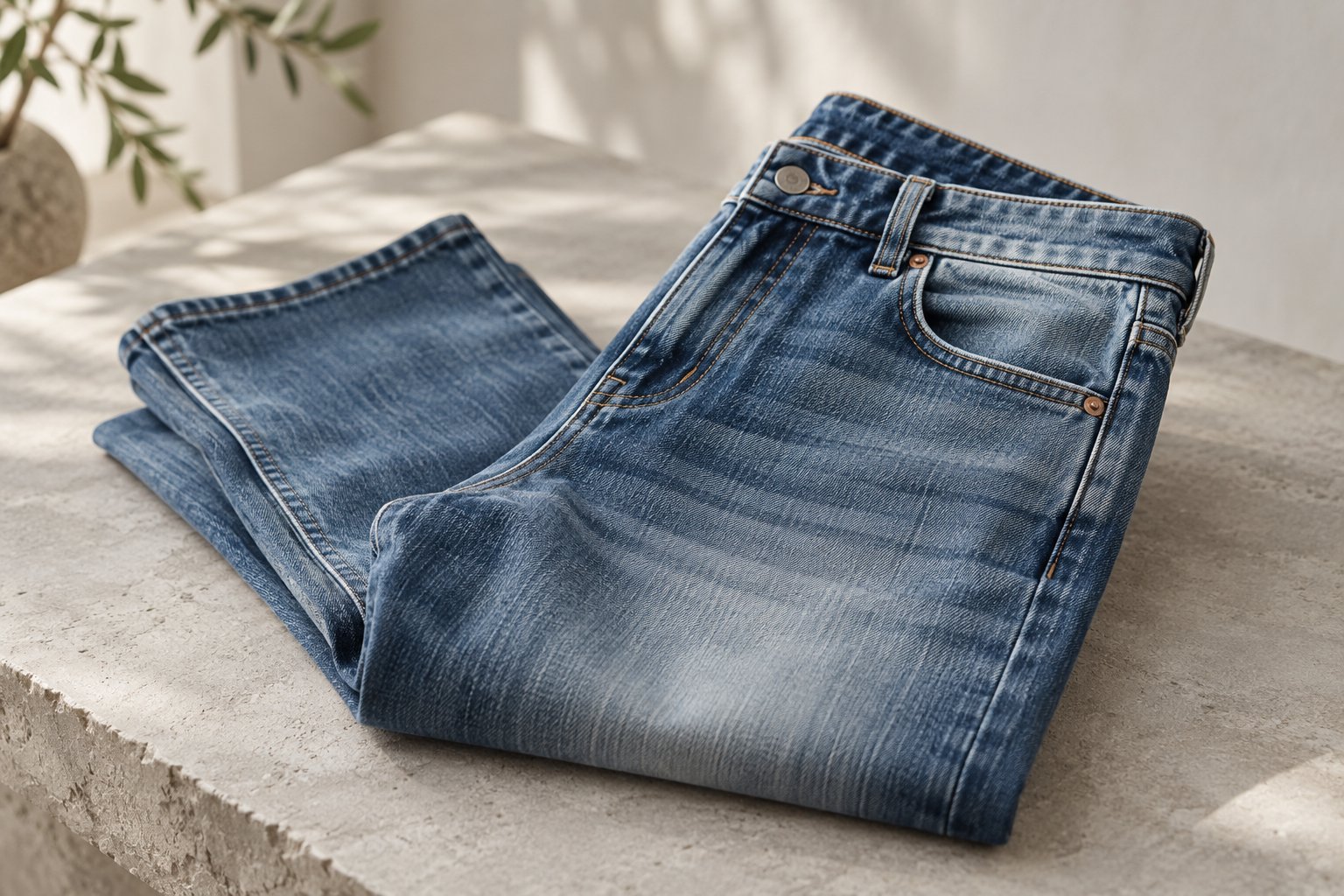
Laser and ozone technologies are revolutionizing denim production by significantly reducing water consumption in the finishing stage. These innovations allow manufacturers to create the same stylish, distressed looks without the environmental toll of traditional stone washing and chemical treatments. By understanding how these technologies work, you can make more informed purchasing decisions that support sustainable fashion. Remember to look for transparency, certifications, and quality craftsmanship. Every pair of water-efficient jeans you buy is a step toward a more sustainable future for the fashion industry.
As you explore eco-friendly denim options, keep in mind that true sustainability encompasses the entire supply chain. Use the tips and resources provided in this article to navigate the market confidently. For more insights on choosing the right jeans, check out our guide on how to choose eco-friendly jeans or learn about raw vs washed denim to make the best choice for your wardrobe and the planet.
Laser distressing is a completely dry process, eliminating water use in that step. Ozone washing can reduce water consumption by up to 65% compared to traditional stone washing. When combined, some facilities achieve up to 90% water savings in the finishing stage.
Yes. Laser and ozone processes do not weaken the fabric fibers like aggressive stone washing can. In fact, they often result in more consistent and precise distressing, which can enhance the longevity of the jeans.
No. Laser finishing uses no chemicals at all, and ozone decomposes back into oxygen after treatment, leaving no harmful residues. This makes them much safer for workers and the environment compared to traditional chemical washes.
Look for brand transparency about their finishing processes. Many sustainable brands proudly advertise their use of laser and ozone technologies. You can also check for certifications like GOTS or Bluesign, which indicate environmentally responsible manufacturing.
