



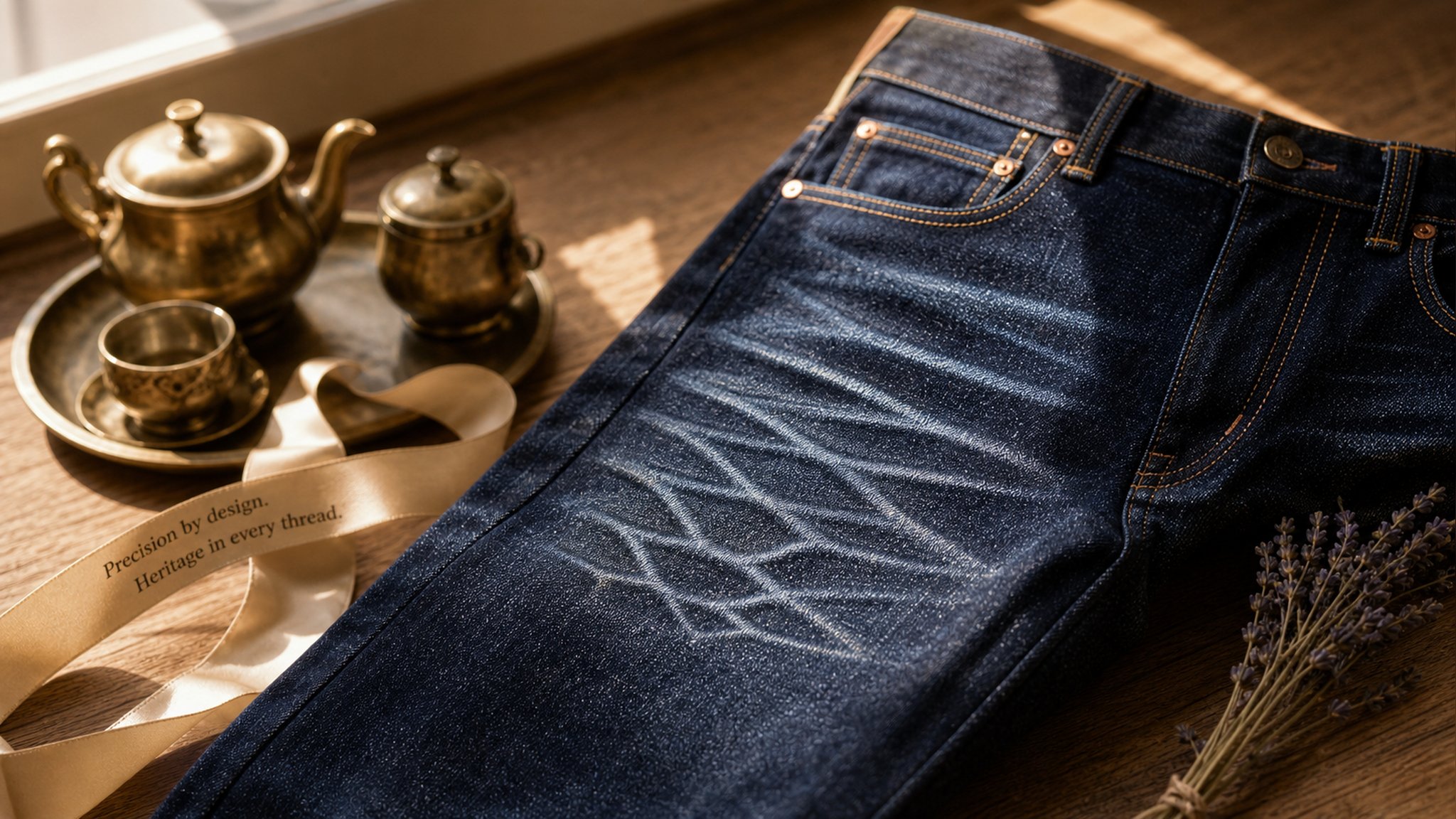
Denim is a wardrobe staple, but its production has a hidden environmental cost—especially when it comes to achieving that worn-in, faded look. Traditional stone washing, a method used for decades, consumes enormous amounts of water and energy while generating chemical-laden wastewater. As consumers become more eco-conscious, innovative technologies like laser fading are emerging as a sustainable alternative. In this article, we’ll explore how laser fading works, how it dramatically reduces water consumption compared to stone washing, and why it matters for the future of denim. Whether you’re shopping for your next pair of jeans or simply curious about sustainable fashion, you’ll gain a clear understanding of this greener approach to denim finishing.
Stone washing is a mechanical finishing process that gives denim a soft, faded appearance. Traditionally, jeans are placed in large industrial washing machines along with pumice stones. As the drum rotates, the stones abrade the fabric, removing indigo dye and creating a worn look. This process typically requires multiple rinse cycles to remove stone residue and loose dye, leading to high water consumption. According to industry reports, a single pair of jeans can use up to 80 liters of water during finishing alone. Moreover, the pumice stones eventually break down into sludge, which must be disposed of, and the wastewater contains chemicals and microfibers that can harm aquatic ecosystems.
Laser fading is a dry finishing technique that uses computer-controlled lasers to etch patterns and fade denim. The laser beam precisely removes indigo dye from the fabric’s surface without water, chemicals, or physical abrasion. This technology allows for intricate designs, from subtle whiskering to heavy distressing, all with a fraction of the environmental footprint. As noted in a systematic review of sustainable denim treatments, laser fading eliminates the need for water and reduces chemical usage significantly (Sustainable Treatments in Denim Fabric: A Systematic Review). This makes it a cornerstone of modern eco-friendly denim production.
The most compelling advantage of laser fading is its water savings. Stone washing can consume between 50 and 80 liters of water per pair of jeans, depending on the desired effect and number of cycles. In contrast, laser fading uses virtually no water during the fading process—only a small amount may be needed for cooling the laser equipment. This represents a water reduction of over 90% in the finishing stage. Studies on sustainable denim washing confirm that laser and ozone technologies can save up to 99% of water compared to conventional methods (Sustainable Approaches of Ozone Wash and Laser Fading). For a global industry that produces billions of jeans annually, this shift could conserve trillions of liters of freshwater.
Water isn’t the only resource saved. Stone washing requires heating large volumes of water, which consumes significant energy. Additionally, the process often involves enzymes or bleaching agents to enhance fading, contributing to chemical pollution. Laser fading, being a dry process, eliminates the need for heated water and reduces energy use. It also avoids the chemical runoff associated with traditional methods. The precision of lasers means less fabric damage and waste, further lowering the overall environmental impact. As the denim industry moves toward circularity, these savings are critical.
Laser fading isn’t just eco-friendly—it also offers superior design capabilities. Because lasers are digitally controlled, they can replicate complex patterns with high consistency across multiple garments. This reduces errors and material waste. In contrast, stone washing results can vary due to stone size, load density, and machine wear. For consumers, this means laser-faded jeans can achieve a more precise, high-end look without the environmental guilt. If you’re interested in exploring sustainably finished denim, check out our collection of eco-friendly jeans that utilize these advanced techniques.
If you want to support water-saving denim, here are some actionable steps:
The shift from stone washing to laser fading represents a significant leap forward in sustainable denim manufacturing. By replacing water-intensive, chemical-heavy processes with precise, dry technology, laser fading can reduce water usage by over 90% per garment while also cutting energy and pollution. For eco-conscious consumers, this means you can enjoy stylish, faded jeans without the environmental toll. As the fashion industry faces increasing pressure to reduce its footprint, laser technology offers a scalable solution. To explore more innovations in sustainable denim, visit our new releases or learn about how laser tech makes denim greener. By choosing laser-faded jeans, you’re supporting a cleaner, more responsible future for fashion.
Yes, laser fading can save up to 99% of the water used in traditional stone washing. It is a dry process that uses lasers to remove dye, eliminating the need for multiple rinse cycles.
Laser fading is generally gentler on fabric because it doesn’t involve abrasive stones. This can result in less fiber damage and potentially longer-lasting jeans, provided the laser settings are optimized.
Yes, laser technology can replicate virtually any stone-washed effect, from light fading to heavy distressing, with high precision and consistency. Many premium brands now use lasers to achieve authentic vintage looks.
While the initial equipment cost is high, the operational savings in water, energy, and chemicals can offset this over time. As adoption grows, laser-faded jeans are becoming competitively priced, and many affordable options are available.
