



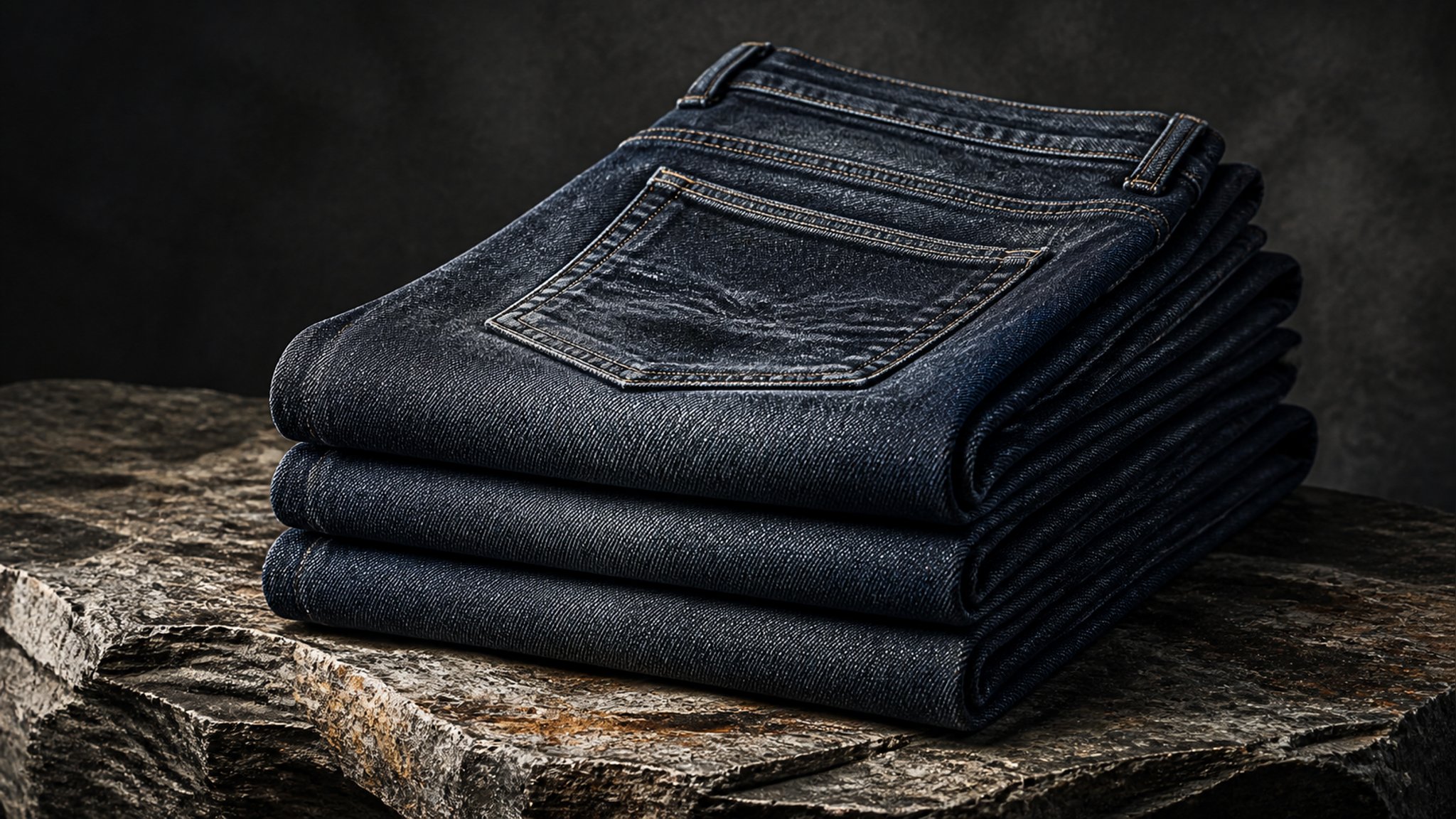
Choosing a pair of jeans used to be simple: pick a wash, check the size, and go. But today, more shoppers want denim that aligns with their values—lower water use, fewer toxic chemicals, and a smaller environmental footprint. That shift has made eco-friendly jeans one of the fastest-growing segments in apparel, yet it has also created confusion. What actually makes denim sustainable? Is it the fabric, the dye, the wash process, or all three? And how do you balance sustainability with the fit and durability you expect from a premium pair?
This guide breaks down the key factors to evaluate when buying eco-friendly jeans. We’ll look at what separates genuinely responsible denim from greenwashed marketing, how to assess quality and fit, and which styles in the SIFIRbir New Releases collection deliver on both sustainability and everyday wearability. Whether you’re replacing a worn-out favorite or investing in your first consciously made pair, the goal is to help you choose jeans that look great, feel comfortable, and reflect the way denim should be made.
At SIFIRbir, sustainability isn’t a tagline—it’s a production philosophy. The brand uses laser and ozone garment-wash technology to dramatically reduce water consumption and eliminate harsh chemical treatments. That means the jeans you’ll see referenced here are built with a different set of rules than conventional denim. Understanding those rules will make you a smarter, more confident buyer.
Quality in eco-friendly jeans isn’t just about thick fabric or reinforced stitching. It’s about how the denim is processed, how the color is achieved, and how the garment holds up over time. The best sustainable jeans combine responsible manufacturing with the tactile and visual qualities people expect from premium denim.
The foundation of any good jean is its fabric. Look for denim that feels substantial but not stiff, with a tight weave that resists tearing and holds its shape. In the SIFIRbir collection, the jeans are described as preserving “premium denim texture” and “precise tailored shaping,” which suggests a fabric that has been carefully selected and finished. Avoid jeans that feel thin or papery—they may have been over-processed to achieve a soft hand at the expense of durability.
Construction details also matter. Check the seams: they should be straight, with no loose threads or puckering. The waistband should be firm but not rigid, and the hardware (buttons, rivets, zippers) should feel solid. While the listed product data doesn’t include specific fabric weights or thread counts, the emphasis on “exceptional durability” and “long-lasting colour fastness” indicates a focus on garments that are meant to be worn for years, not seasons.
The single biggest differentiator in sustainable denim is the wash process. Conventional denim finishing can use up to 100 liters of water per pair and relies on chemicals like potassium permanganate and bleach. Eco-friendly alternatives, such as laser and ozone washing, achieve similar fading and softening effects with a fraction of the water and no toxic discharge. According to The Good Trade’s guide to sustainable jeans, brands that prioritize waterless or low-water finishing methods are leading the industry in reducing denim’s environmental footprint.
SIFIRbir’s use of laser and ozone garment-wash technology means the jeans in the New Releases category are produced with “low-water washing techniques” and “eco-friendly processing that prioritizes skin safety.” That’s a meaningful advantage: fewer chemical residues on the fabric, less water wasted, and a smaller carbon footprint. When you’re comparing eco-friendly jeans, ask how the wash was done. If a brand can’t explain it, the sustainability claim is probably shallow.
The SIFIRbir New Releases collection includes several distinct denim styles, each with a different aesthetic and intended use. Understanding the range helps you match a pair to your wardrobe and lifestyle.
The TheBelief Black Jeans are a minimalist staple. Black denim is versatile—it can be dressed up or down—and this pair is described as integrating “modern minimalist design” with “exceptional wearability.” It’s a strong choice for anyone who wants a clean, understated look that works in both casual and semi-formal settings.
For a warmer, more organic tone, the TheBelief Walnut Dyed Jeans offer a natural dye alternative. Walnut dyeing is a traditional method that produces earthy browns and subtle variations, and it aligns with the collection’s emphasis on skin-safe, chemical-free processing. These jeans are ideal for buyers who appreciate artisanal character and a softer color palette.
If you prefer classic indigo, the TheBelief Dark Blue Jeans deliver a timeless look with the same low-water, low-chemical production. Dark blue denim is the most versatile shade in any wardrobe—it pairs with nearly everything and ages beautifully with wear.
For something truly unique, the collaborative pieces stand out. The SELFNESS x SIFIRbir Coffee Touched Jeans use a coffee-based dye process, which is both innovative and eco-conscious. Coffee dyeing repurposes a waste product and creates a distinctive, warm-toned finish. Similarly, the SELFNESS x SIFIRbir Walnut Touched Jeans offer a limited-run style with the same collaborative craftsmanship and natural dye approach. These are for buyers who want a story behind their denim, not just a pair of pants.
Fit is personal, and no guide can tell you exactly which cut will flatter your body. But there are principles that apply across all eco-friendly denim. First, understand the rise: low-rise sits on the hips, mid-rise at the natural waist, and high-rise above it. The SIFIRbir jeans are described as having a “refined silhouette” and “precise tailored shaping,” which suggests a modern, slightly tailored cut rather than a baggy or overly skinny fit.
Second, consider stretch. Many sustainable jeans include a small percentage of elastane for comfort, but the product data here doesn’t specify fabric composition. If you prefer a rigid, vintage feel, look for 100% cotton denim. If you want more give, ask about stretch content. The key is to choose a size that fits comfortably at the waist without gaping, and that allows you to sit and move without restriction.
Finally, account for shrinkage. Even with low-water washing, denim can shrink slightly after the first wash. If you’re between sizes, consider sizing up. And always check the brand’s size guide—measurements can vary significantly between manufacturers.
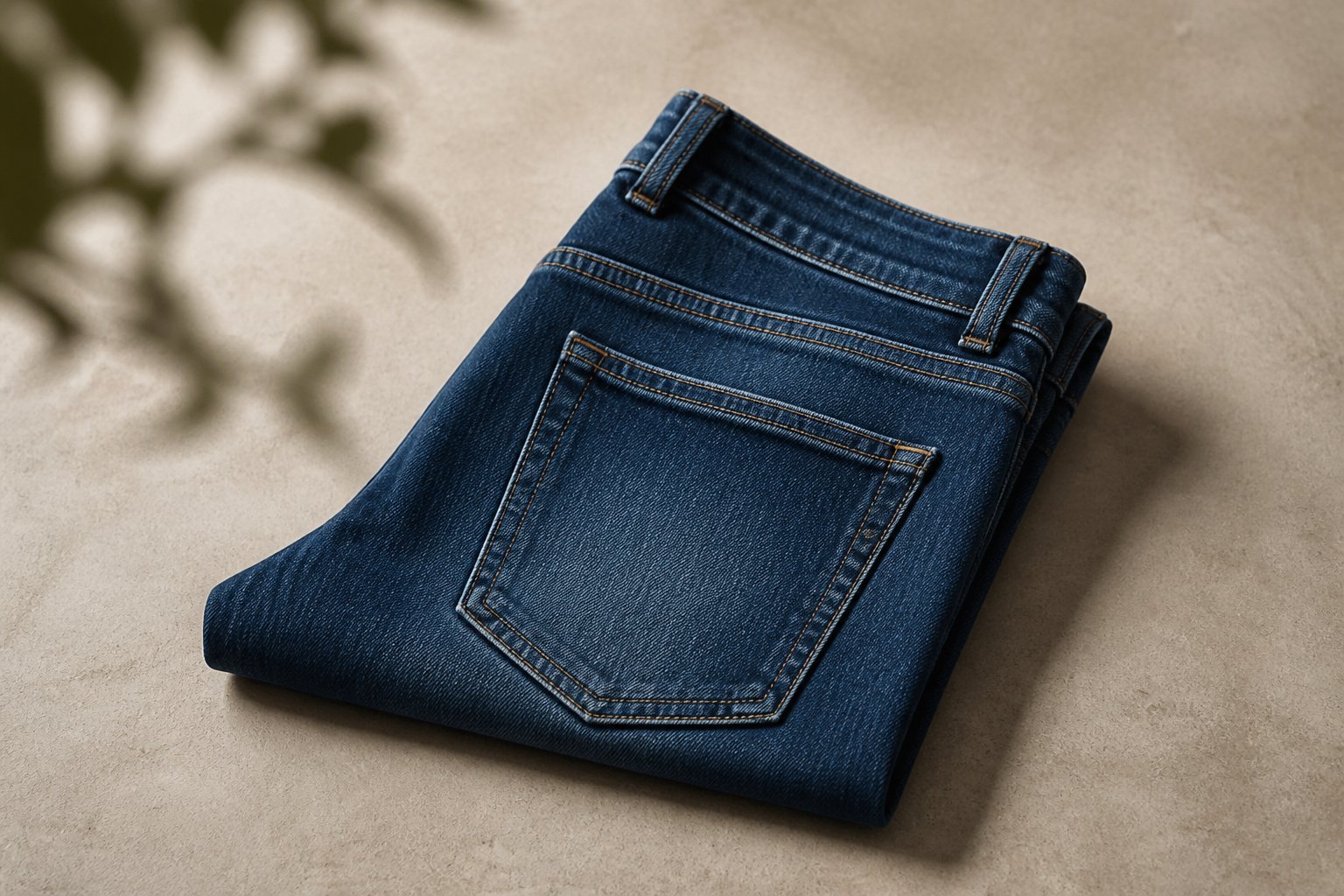
Eco-friendly jeans often carry a higher upfront cost than conventional denim, and that’s justified by the production methods. Water-saving laser and ozone technology, natural dyes, and small-batch manufacturing all add to the per-unit cost. But the value proposition is different: you’re paying for a garment that will last longer, feel better against your skin, and have a dramatically smaller environmental impact.
In the SIFIRbir New Releases category, the denim pieces are priced at a consistent mid-range level of $689. This is not an entry-level price, but it reflects the premium materials, collaborative design work, and low-impact processing. For comparison, the Flat Top Retro Cap at $210 is an accessible accessory from the same sustainable ethos, while the WWII German Military-Inspired Vintage Canvas Bag at $3399 is a premium investment piece. The jeans sit in the middle: a considered purchase for people who wear denim regularly and want to do so responsibly.
When evaluating price, think about cost per wear. A $689 pair of jeans worn 200 times costs about $3.45 per wear—less than a daily coffee. If the jeans are well-made and timeless, that’s excellent value. Cheap jeans that fall apart after a year are more expensive in the long run, both financially and environmentally.
Based on the New Releases collection, here are the jeans we recommend most highly, along with who each pair suits best.
TheBelief Black Jeans — Best for minimalist wardrobes. The clean black wash and tailored silhouette make these the most versatile option, easily transitioning from day to night.
TheBelief Walnut Dyed Jeans — Best for natural-dye enthusiasts. The walnut dye gives a unique, earthy tone that stands out without being loud. Ideal for those who appreciate artisanal craftsmanship.
TheBelief Dark Blue Jeans — Best for classic denim lovers. A timeless indigo that will age gracefully and pair with everything in your closet.
SELFNESS x SIFIRbir Coffee Touched Jeans — Best for eco-innovators. The coffee dye process is a conversation starter and a genuinely sustainable choice. Limited run, so act if you love them.
SELFNESS x SIFIRbir Walnut Touched Jeans — Best for collectors. Another limited collaborative piece with walnut dye, offering a softer, warmer alternative to the black and blue options.
Choosing eco-friendly jeans doesn’t have to be overwhelming. Start with the wash process—laser and ozone are the gold standard for water and chemical reduction. Then evaluate the fabric and construction for durability. Finally, pick a style that fits your body and your aesthetic, because the most sustainable jeans are the ones you’ll actually wear for years.
Remember that sustainability is a spectrum. No pair of jeans is impact-free, but choosing low-water, low-chemical denim like the SIFIRbir New Releases is a meaningful step in the right direction. As industry guides on sustainable denim point out, the shift to waterless finishing and natural dyes is transforming what shoppers should expect from their jeans.
Finally, care for your jeans properly. Wash them less, spot clean when possible, and always air dry. That simple habit will extend the life of your denim and reduce your own water footprint, making your eco-friendly choice even more impactful.
Eco-friendly jeans are produced with reduced water consumption, fewer toxic chemicals, and often use sustainable dyeing methods. Key indicators include laser and ozone washing, natural dyes like walnut or coffee, and low-impact fabric processing.
Yes, when made well. The SIFIRbir jeans are designed with premium denim texture and long-lasting colour fastness, meaning they are built to withstand regular wear without fading or breaking down prematurely.
Wash them infrequently, inside out, in cold water, and air dry. Avoid harsh detergents and fabric softeners, which can break down natural dyes and reduce the lifespan of the fabric.
The higher cost reflects the investment in water-saving technology, natural dyes, and small-batch production. Over time, the cost per wear is often lower than cheap jeans because they last much longer.
