




Every pair of conventional jeans can consume thousands of liters of water, from growing cotton to the final finishing wash. That staggering footprint has pushed the fashion industry to seek smarter methods. Enter laser and ozone garment-wash technology — an innovation that slashes water use without sacrificing style. This article explains how these technologies work, why they matter for the planet, and how you can identify truly sustainable denim. Whether you’re a conscious shopper or a denim enthusiast, you’ll walk away knowing exactly what makes a pair of jeans eco-friendly.
As reported by the Associated Press, discerning real sustainability requires looking beyond marketing claims. Laser and ozone finishing are two of the most promising technologies that deliver genuine water savings. By understanding them, you can make informed choices that align with your values.
Classic denim finishing techniques — like stone washing, acid washing, and manual sandblasting — rely on large volumes of water mixed with pumice stones, chemicals, or bleach. Each step often requires multiple rinse cycles, sending wastewater laden with dyes and heavy metals into treatment systems or the environment. Producing just one pair of jeans the conventional way can consume up to 7,000 liters of water over its life cycle.
Laser finishing uses a computer-controlled laser beam to remove indigo dye from the denim’s surface, creating precise fading, whiskering, and worn effects without any water. The laser instantly vaporizes the dye, leaving a clean, permanent pattern. As explained by denim manufacturing experts, ozone wash replaces water-based bleach with ozone gas — a powerful oxidizer that fades and softens fabric when combined with small amounts of water or applied directly in a dry state. Both methods virtually eliminate the need for water in the fading step.
A study published in Tekstilec compared conventional stone washing and bleaching with ozone and laser processes. The findings show that laser and ozone finishing can reduce water consumption by more than 90% compared to traditional methods. Further research in Current Opinion in Green and Sustainable Chemistry highlights how these technologies support the circular economy by reducing not only water use but also chemical waste and energy consumption, making them a cornerstone of sustainable denim manufacturing.
The laser finishing process begins with a digital design file. The denim garment is placed on a mannequin, and the laser head moves across the fabric, burning off the indigo in controlled patterns. The depth and intensity can be adjusted to create anything from a light whisker to a heavy distressed look. No water, no stones, no chemicals — just light and heat. After lasering, the garment may still be washed lightly to soften the fabric, but the majority of the water-intensive fading work is already eliminated.
Ozone wash can be performed in two ways: wet or dry. In the wet process, the denim is loaded into a washing machine with a small amount of water and ozone gas is injected. The ozone breaks down the indigo molecules, fading the fabric evenly. In the dry process, ozone is applied in a closed chamber without any water. Both methods produce consistent results and can be combined with laser for unique effects. Because ozone naturally decomposes back into oxygen, there are no toxic chemical residues.
Water savings are just the beginning. Laser and ozone finishing also reduce energy consumption (less heating and pumping of water), eliminate the need for pumice stones (which consume natural resources and generate sludge), and cut down on chemical bleaching agents like potassium permanganate. These improvements lower the carbon footprint of each pair of jeans and reduce the burden on wastewater treatment facilities. For brands committed to sustainability, adopting these technologies is one of the most impactful changes they can make.
When you choose jeans made with laser and ozone finishing, you’re directly supporting a production method that uses a fraction of the water of conventional jeans. It also means the garment is less likely to contain harsh chemical residues, making it gentler on your skin. The look and feel of laser/ozone jeans are indistinguishable from traditional wash — in fact, many premium denim brands now exclusively use these techniques. To explore the latest sustainable fits, check out our new arrivals and find your perfect pair.
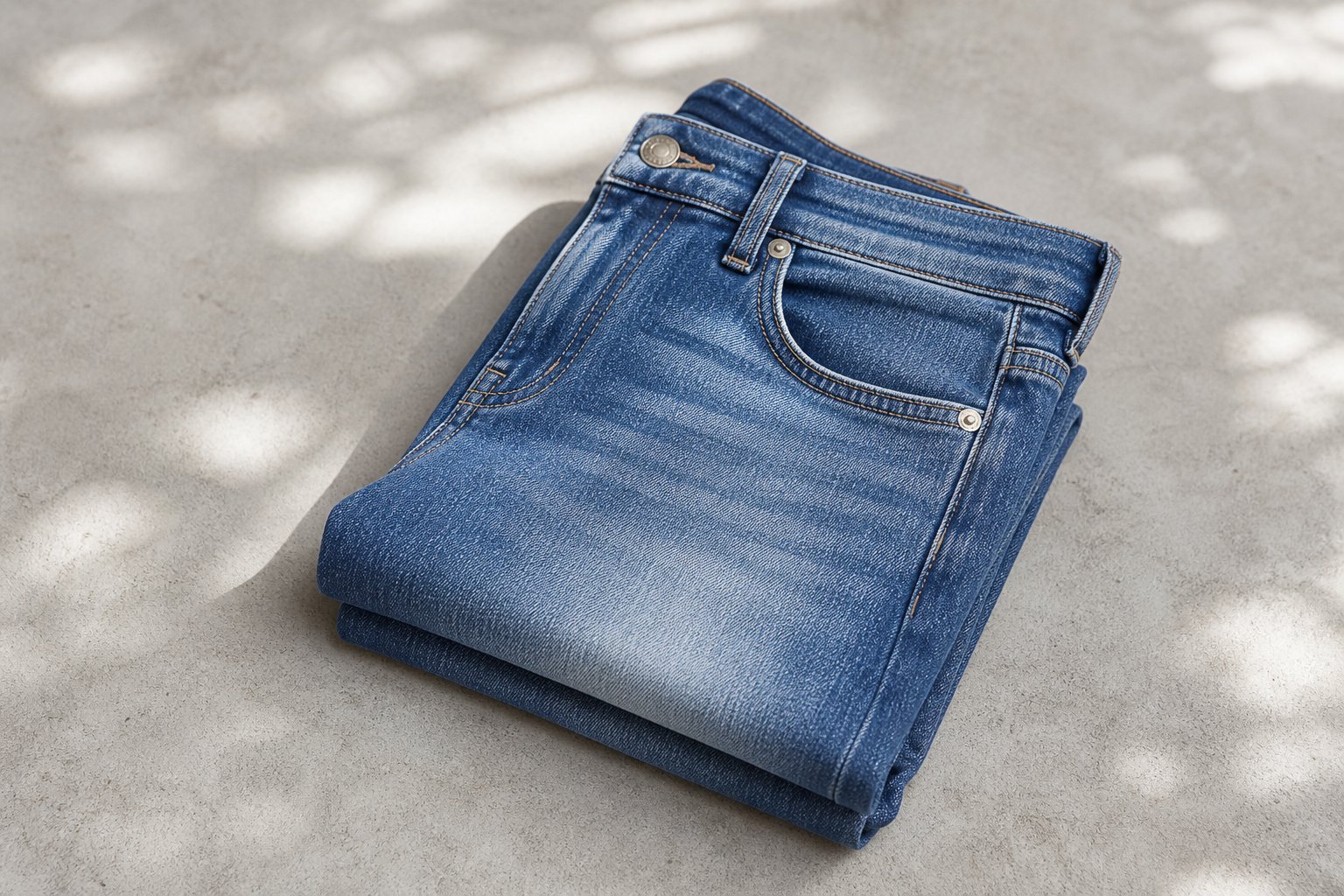
Laser and ozone wash technologies represent a paradigm shift in denim manufacturing. By slashing water usage by up to 90% or more, eliminating toxic chemicals, and reducing energy consumption, they make it possible to enjoy the faded, worn-in look we love without trashing the planet. For consumers, the key is to seek out brands that embrace these methods and to support them with your purchasing power.
At SIFIRbir, every pair of jeans is produced using laser and ozone finishing, ensuring you get authentic style with a minimal environmental footprint. Browse our complete denim collection to find jeans that are as kind to the earth as they are to your wardrobe. The revolution in sustainable denim is here — and it starts with water-smart technology.
Laser and ozone finishing can reduce water consumption by 90% or more relative to conventional stone washing and bleaching. The exact savings depend on the specific process and how many water-intensive steps are replaced.
Yes. Both methods avoid harsh chemicals like potassium permanganate and bleach. Laser uses only light, and ozone naturally decomposes into oxygen. This means less chemical residue on the fabric, making it gentler for sensitive skin.
Absolutely. Laser technology can replicate precise whiskering, distressed patches, and even custom artwork. Ozone provides even fading and softening. Many premium denim brands now use these techniques exclusively because they offer consistent, high-quality results.
Not necessarily. While the equipment requires upfront investment, water and chemical savings often offset costs over time. Many affordable brands now offer laser-ozone jeans at similar price points to conventional ones.
