



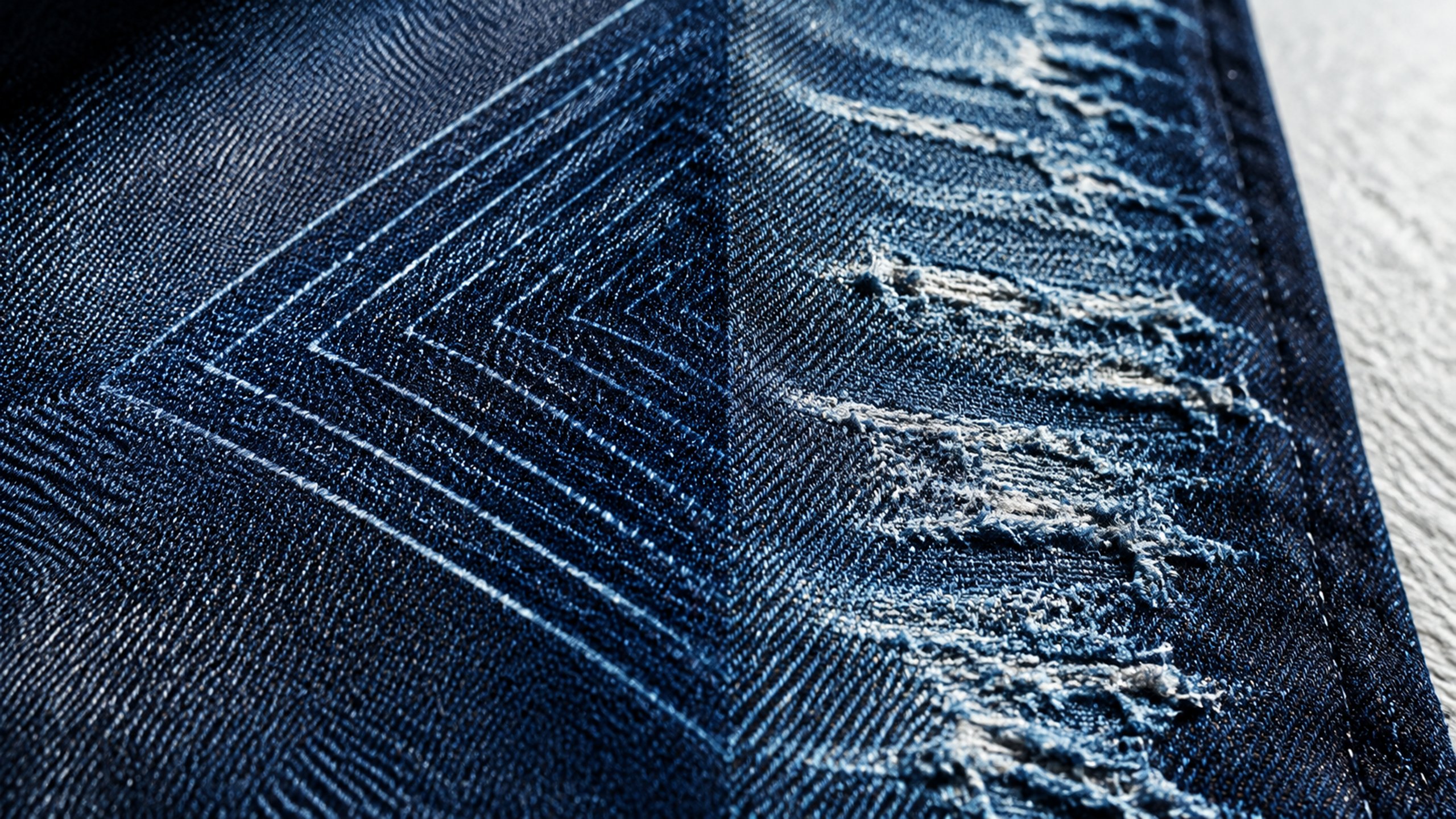
When you search for a new pair of jeans, it’s easy to feel overwhelmed by labels promising ‘eco-friendly’, ‘sustainable’, or ‘conscious’ denim. But not every brand that slaps a leaf on its tag is walking the walk. Greenwashing—the practice of misleading consumers about a product’s environmental benefits—is rampant in fashion, especially in denim. Understanding how to cut through the marketing hype is the first step to making purchases that actually align with your values. This guide will equip you with the tools to evaluate eco-friendly denim claims critically, so you can confidently choose jeans that are as kind to the planet as they are to your wardrobe.
As recent coverage from ABC News highlights, denim production requires significant water, energy, and chemicals, making it a prime target for sustainability efforts—and for greenwashing. By learning the common tactics brands use, you can vote with your wallet for real change. If you’re already on the path to a greener closet, our guide to verifying eco-friendly denim claims offers deeper checks you can perform before buying.
Conventional denim production is resource-heavy. Growing cotton uses vast amounts of water and pesticides, while dyeing and finishing processes often discharge toxic chemicals into waterways. The industry standard for a single pair of jeans can involve over a thousand gallons of water—though some brands have slashed that dramatically. The pressure to appear ‘green’ has led many companies to make vague, unsubstantiated claims, a classic greenwashing tactic.
Greenwashing can take many forms: using buzzwords like ‘green’ or ‘natural’ without certification, highlighting one small sustainable feature while ignoring overall waste, or creating misleading labels. Good On You’s ultimate guide to sustainable denim emphasises that true sustainability involves the entire lifecycle—from raw material sourcing to worker welfare and end-of-life recyclability. If a brand only talks about water savings but stays silent on chemical use or labour practices, it’s a red flag.
A common greenwashing trick is to use a small percentage of recycled polyester or organic cotton and then market the entire product as eco-friendly. Always examine the fabric breakdown. Truly sustainable jeans often feature organic cotton, TENCEL™ Lyocell, or recycled fibers. Industry insiders note that sustainable denim brands focus on raw materials as the starting point for reducing impact. If the composition is mostly conventional cotton with a token green ingredient, the claim is likely inflated. For a detailed breakdown, our Sustainable Denim Buying Guide explains how fibre choice affects water usage and biodegradability.
Denim’s biggest environmental sins are water waste and chemical discharge. Truly innovative companies use technologies like laser fading, ozone washing, and closed-loop water systems to drastically reduce consumption. Beware of brands that boast about ‘water-saving’ without specifying how much they save or which stage of production they improved. Some claim ‘low-impact dyes’ but fail to mention that the dyeing process still releases salts and heavy metals. A credible brand will share concrete data, like litres per pair or certifications such as Bluesign® or OEKO-TEX®. If the information is vague or hidden in fine print, it’s probably greenwashing.
Certifications are a valuable shortcut, but not all are equal. Look for labels like GOTS (Global Organic Textile Standard), Fair Trade Certified, B Corp, or the EU Ecolabel. These involve independent audits. However, some brands create their own ‘eco-labels’ that sound official but have no third-party oversight. Always verify the certifier’s credibility. If a brand claims to be ‘sustainable’ without any certification, ask why. Our guide to common mistakes when buying sustainable denim covers how to interpret these labels and avoid being misled.
Greenwashing isn’t only about the environment; it also includes social responsibility. Ethical denim production ensures fair wages, safe working conditions, and no child labour. A brand that touts eco-friendly materials but stays silent about where its jeans are made and by whom is likely hiding unethical practices. Look for supply chain disclosures, factory lists, or partnerships with organisations like the Fair Wear Foundation. If you see a ‘sustainable’ collection but the rest of the brand’s line is conventional with no transition plan, that’s a classic greenwashing move—a ‘green line’ used to distract from the bigger picture.
Greenwashing flourishes when consumers are overwhelmed by marketing and short on time. By learning to ask the right questions—about materials, certifications, supply chain transparency, and actual data—you can separate authentic sustainability from empty promises. The denim industry has made genuine strides thanks to pioneering brands that invest in water-saving technologies like laser finishing and ozone washing, and which source organic or recycled fibres. As you shop, remember that real eco-friendly denim is not a one-off capsule; it’s a commitment to transparency, quality, and care for the planet and its people.
Your purchasing power matters. Every time you choose a genuinely sustainable pair of jeans—and skip the greenwashed ones—you send a signal that integrity matters. For more hands-on advice, explore our complete guide to choosing sustainable denim releases and start building a wardrobe you can feel proud of.
The most common tactic is using vague environmental buzzwords like ‘green’ or ‘eco-friendly’ without any supporting data or certification. Another is highlighting one small sustainable component—like recycled buttons—while ignoring the rest of the garment’s high-impact production.
Look for specific numbers, such as ’10 litres per pair’ or ‘90% less water than conventional methods’. Reputable brands will often mention the technology used (e.g., laser fading, ozone washing) and may have third-party audits. If the claim is just ‘water-efficient’ without details, it’s likely greenwashing.
No. Certifications like GOTS, Bluesign, OEKO-TEX, and Fair Trade are credible because they involve independent audits. However, some brands create their own labels that sound official but have no external verification. Always check who issued the certification and whether it’s current.
It’s difficult, because sustainability requires a holistic approach—sourcing, manufacturing, transport, and end-of-life—that runs counter to the fast-fashion model of high volume, low cost, and rapid turnover. Even if one line uses organic cotton, the overall business practices often undermine that effort. Look for brands with a transparent supply chain and consistent eco-commitment across all products.
