



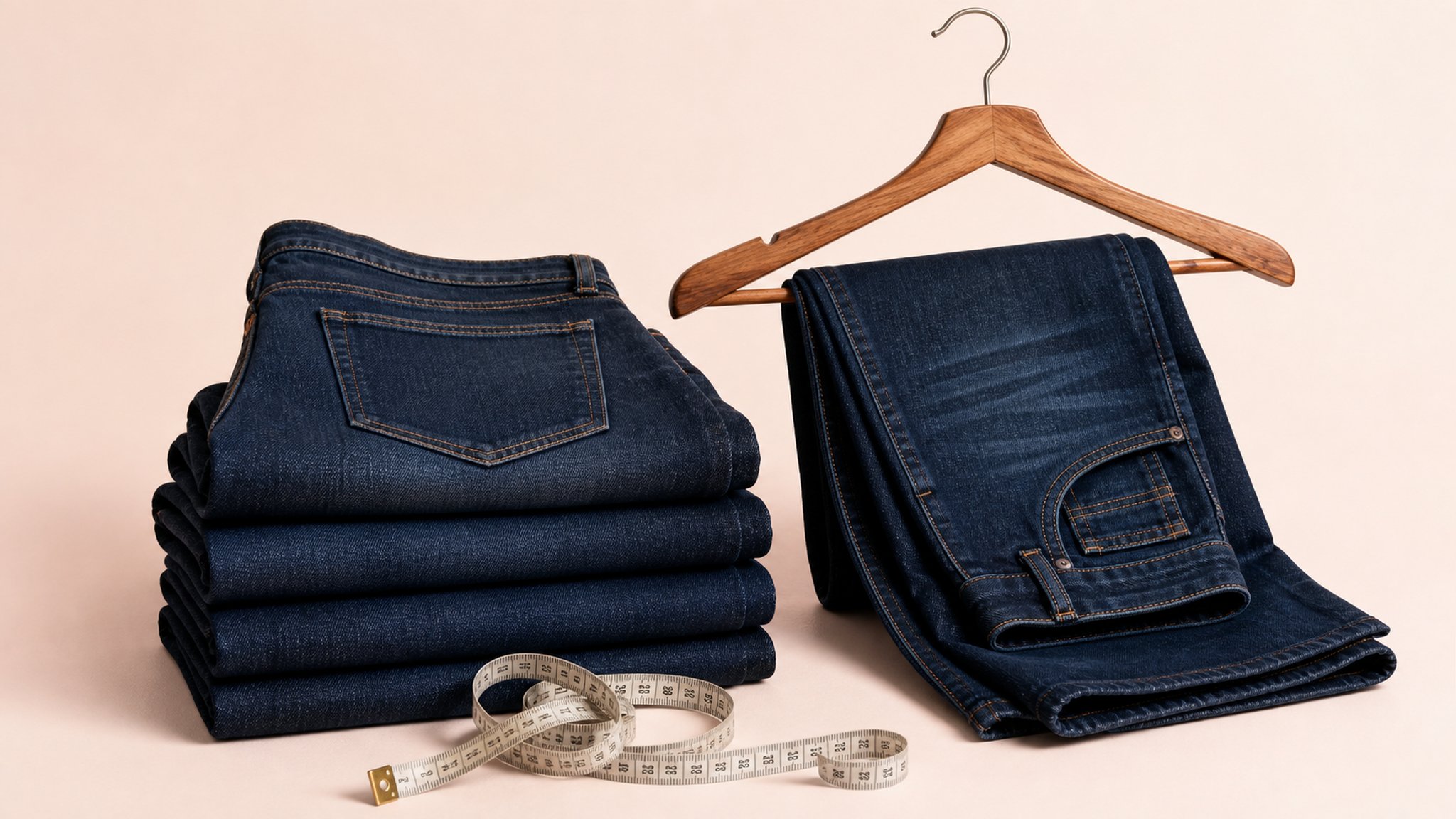
If you own a pair of quality jeans—especially sustainable, eco-friendly denim—you’ve likely heard the debate: should you freeze your jeans to kill bacteria and avoid washing, or is a good old-fashioned wash the better choice? This article cuts through the myths and provides evidence-based advice on freeze vs wash denim care. We’ll explain how each method affects fabric longevity, environmental impact, and hygiene, so you can keep your favorite pair looking great while reducing water and energy use. For those committed to sustainable fashion, proper care is an essential part of the lifecycle of your denim.
Every wash consumes water, energy, and detergent, and over time it fades and weakens denim fibers. According to AP News coverage on sustainable denim, the most environmentally impactful phase of a jeans’ life is its care phase. By washing less frequently and using cold water, consumers can drastically reduce the carbon footprint of their wardrobe. SIFIRbir’s jeans are already produced with water-saving laser and ozone technology, meaning you can amplify that sustainability with smart home care.
For years, denim enthusiasts have claimed that freezing jeans kills odor-causing bacteria, eliminating the need to wash. The idea is that cold temperatures stop bacterial growth, but scientific consensus shows that most bacteria simply go dormant and revive once thawed. As the Levi’s definitive denim care guide explains, freezing does not remove dirt, oils, or stains—it only temporarily reduces odor. While freezing can be a useful trick for a quick refresh, it should not replace washing altogether.
Many raw denim purists advocate for months or even years without washing to preserve indigo and create unique fades. However, for most wearers, regular but gentle washing is necessary for hygiene and fabric health. The Denimhunters care guide recommends washing only when jeans are visibly dirty or smell, and using cold water, turning inside out, and air drying to extend life. Over-washing is wasteful; under-washing can lead to bacterial buildup and fabric damage from abrasion if dirt particles grind into fibers.
Freezing can be effective as a temporary refresh between washes, especially for lightly worn jeans that only have minor odor. To freeze, place your jeans in a sealed plastic bag (to prevent freezer smells) and leave them overnight. Once thawed, shake them out and air them. This method is best for raw or dark denim where you want to preserve color and avoid any water exposure. It is not a substitute for cleaning; freezing does not remove body oils, sweat, or dirt that can degrade fibers over time. Use freezing only as an occasional spot treatment, not a regular care routine.
Washing is necessary when jeans are visibly soiled, have strong odor that freezing doesn’t fix, or after many wears (every 5–10 wears for most people). For sustainable jeans like those from SIFIRbir, follow these steps: turn jeans inside out, use cold water, a gentle cycle, and mild detergent. Skip the dryer—air dry flat or hang. This minimizes water and energy use while preserving the eco-friendly finishes. If you own laser- or ozone-washed jeans, washing with care maintains their softness and unique textures.
For more detailed guidance on wash frequency, read our complete denim care guide which covers when and how to wash your jeans for maximum longevity.
Neither method is a winner in all scenarios. Think of freezing as a complementary tool, not a replacement for washing. Freeze once or twice between washes to refresh odor, but wash when dirt or oil accumulates. For the best balance of hygiene, fabric longevity, and sustainability, wash your jeans only when needed, using cold water and line drying. This approach reduces water and energy use by up to 80% compared to frequent hot washes. If you’re passionate about sustainable fashion, every small care choice adds up. Discover how our jeans are made using laser technology that saves thousands of liters of water—and extend that ethos to your care routine.
The freeze vs wash debate doesn’t have a single right answer. Freezing can be a useful trick for a quick refresh, but washing remains necessary for deep cleaning. By adopting a minimalist wash routine—cold water, infrequent cycles, and air drying—you extend the life of your jeans and reduce your environmental impact. SIFIRbir’s sustainable denim is designed to last, and with proper care, you’ll enjoy them for years while supporting a greener fashion industry. For more tips on sustainable denim care and responsible purchases, explore our buying guide for verifying sustainable denim and our full collection of new releases.
Freezing temporarily slows bacterial activity but does not kill most bacteria. Once thawed, bacteria can become active again. Freezing is best for reducing mild odor, not for sanitizing.
Typically every 5–10 wears, or when they are visibly dirty or have strong odor. Washing less frequently saves water and preserves the eco-friendly finishes from laser and ozone washing.
Freezing can be a temporary refresh, but it doesn’t remove body oils, dirt, or stains. Use freezing between washes, but still wash your jeans periodically to maintain hygiene and fabric health.
Turn jeans inside out, use cold water on a gentle cycle, mild detergent, and air dry. Avoid fabric softener and high heat. This preserves color and texture while minimizing environmental impact.
