



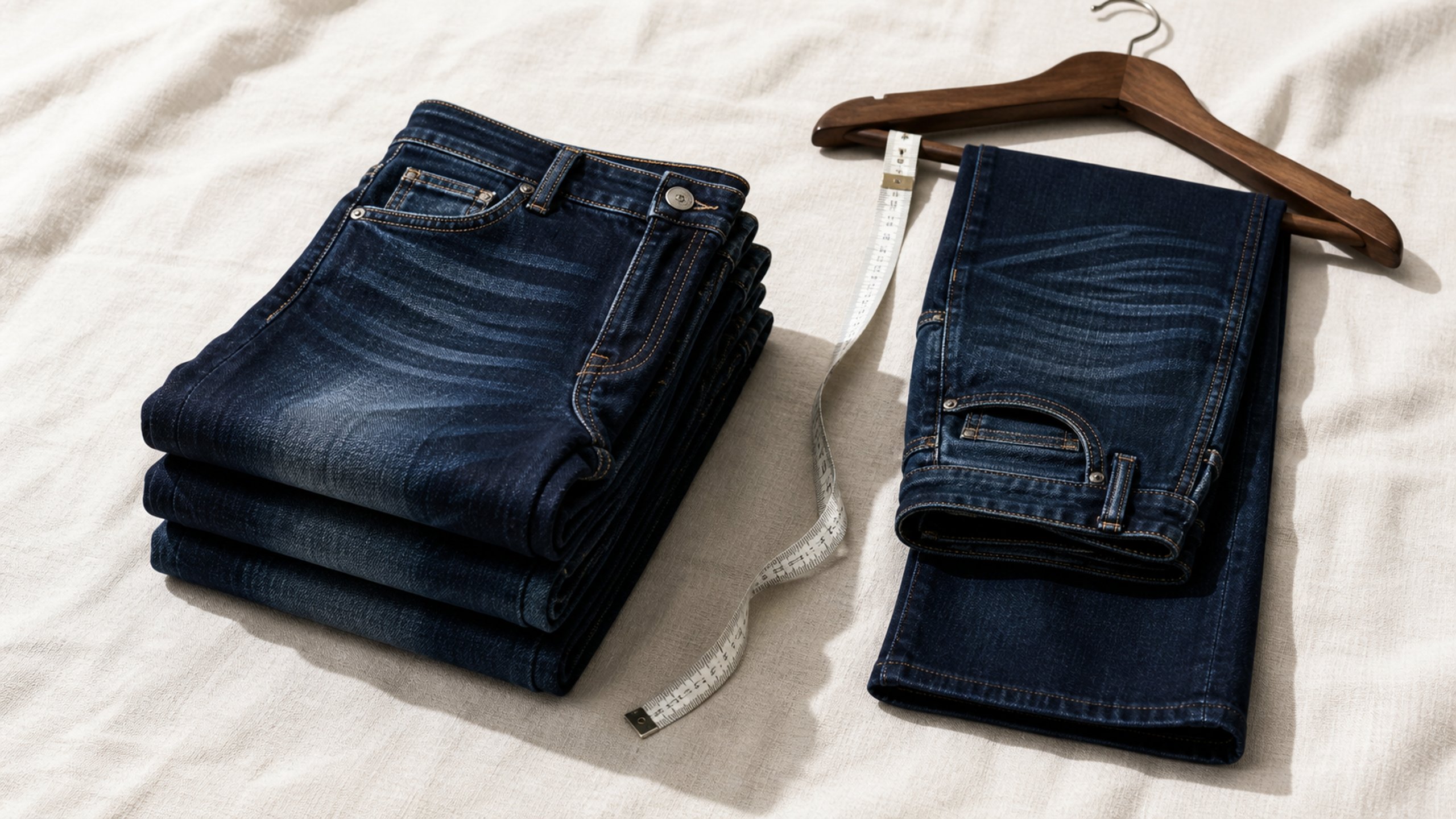
For years, jean enthusiasts have repeated two conflicting pieces of advice: never wash your denim, or stick them in the freezer to kill bacteria. But both are myths that can actually harm your jeans and the planet. The truth is simpler — and more effective — than either extreme. Knowing the right washing frequency not only extends the life of your favorite pair but also reduces water waste, energy use, and microplastic pollution. In this guide, we’ll lay out evidence-based recommendations so you can keep your jeans fresh without sacrificing durability or sustainability.
Whether you’ve just bought a new pair of eco-friendly jeans or are trying to care for well-loved classics, you’ll learn the science behind fiber health, the real reason to air out denim, and how to spot when it’s actually time to wash. By the end, you’ll never reach for the freezer door again.
Denim is a tough cotton twill, but its indigo dye and fibers are vulnerable to over-washing. Each wash accelerates fading, weakens yarns, and sends synthetic dyes and microfibers into waterways. Experts at The Conversation note that extending the time between washes is one of the most impactful sustainable shopping habits you can adopt. For a pair of jeans produced with water-saving technologies like laser and ozone finishing — such as those from SIFIRbir’s sustainable denim buying guide — correct care ensures that eco-investment pays off for years.
The idea that freezing kills odor-causing bacteria became popular because manufacturers once advised freezing to avoid shrinkage. But according to P&G’s Ultimate Denim Care Guide, freezing does not sanitize denim — most bacteria become dormant, not dead, and revive once the jeans warm up. The only effective way to remove bacteria and odors is proper washing or gentle spot cleaning. So skip the freezer; it won’t save water or extend wear life.
Every laundry cycle uses 30–50 gallons of water and releases microfibers that end up in oceans. By washing less often, you conserve resources and reduce your carbon footprint. This aligns with recommendations from denim care specialists who advocate washing every 6–10 wears for most jeans.
For standard, sanforized denim (pre-shrunk), wash after every 5–10 wears. Raw or unsanforized denim should be worn 20–30 times before the first wash to allow the indigo to settle and creases to form. If your jeans are lightly soiled and don’t smell, spot clean with a damp cloth and hang them in fresh air overnight. Levi’s definitive denim guide confirms that airing out is often sufficient to refresh fabric.
If you live in a humid climate, exercise in your jeans, or work around grease and dirt, wash after 2–3 wears. The same goes for anyone with sensitive skin — bacteria buildup can cause irritation. For true eco-consciousness, choose a gentle, cold-water cycle and line dry to minimize energy and microfiber shedding.
Turn jeans inside out, fasten zippers, use cold water, and select a gentle cycle. Avoid fabric softeners — they coat cotton fibers and reduce breathability. Air dry flat or hang, never use a machine dryer. For detailed techniques, see our Sustainable Denim Wash Guide, which covers detergent choices and stain removal for eco-friendly fabrics.
The best approach to jean care is simple: wash less, air more, and be gentle when you do. By following the 5–10 wear guideline, you’ll extend the lifespan of your jeans, save water, and reduce your environmental footprint. The freezer myth is busted — the only thing it freezes is your chance to properly care for your denim.
Ready to refresh your wardrobe with jeans that are built to last? Explore the latest new releases or dive into our comparison of raw vs washed denim to choose the style that suits your lifestyle. With SIFIRbir’s laser and ozone technology, each pair starts with a lower water footprint — and your mindful care makes it even greener.
For most jeans, washing every 5–10 wears is ideal. Raw denim can go 20–30 wears before the first wash. Air drying and spot cleaning between washes also help preserve fiber strength and color.
No. Freezing only makes bacteria go dormant; they revive once the jeans warm up. To truly sanitize denim, wash with cold water and mild detergent, or use a vinegar rinse.
Wash inside out in cold water on a gentle cycle, use a plant-based detergent, and line dry. This conserves water, energy, and reduces microfiber release, aligning with sustainable fashion practices.
Yes, if they are not visibly dirty or smelly. Air them out after each wear, spot-clean stains, and rotate pairs. This extends garment life and reduces environmental impact.
