



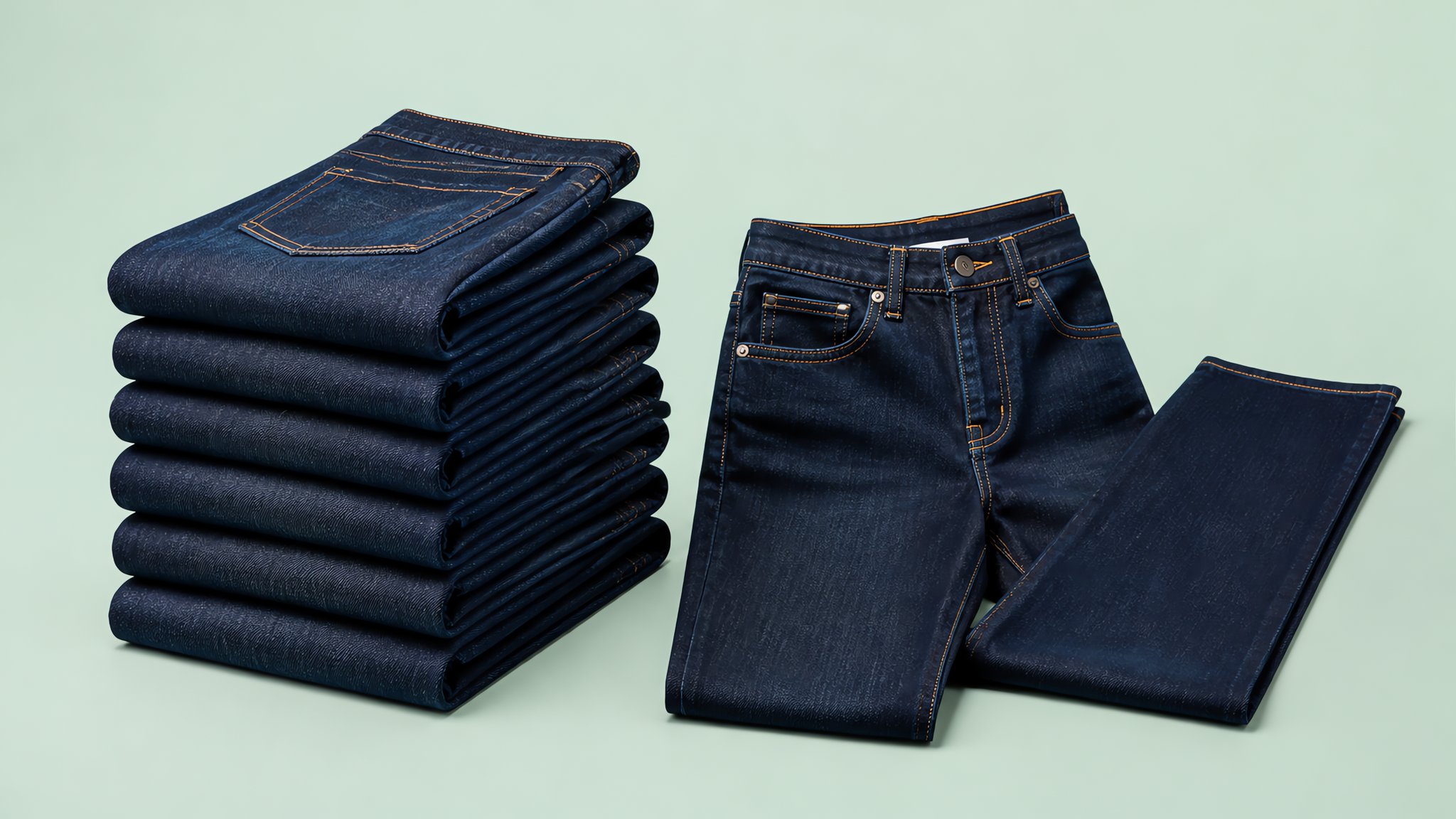
Finding jeans that fit well can feel like a never-ending quest. You want a pair that looks sharp, feels comfortable, and flatters your build—but with so many cuts, rises, and washes, it’s easy to end up with denim that bunches, sags, or pinches in all the wrong places. This guide breaks down exactly how jeans should fit for men, from waist and seat to thigh and leg opening, so you can shop with confidence and build a wardrobe of go-to pairs.
Whether you’re tall, short, slim, athletic, or carrying weight around the middle, the right fit is about proportion and balance. We’ll cover the fundamentals of denim anatomy, explain how different body types should approach key measurements, and offer practical tips to avoid common mistakes. By the end, you’ll know exactly what to look for—and what to skip—when choosing your next pair.
Before diving into fit, it helps to know the basic parts of a pair of jeans. The rise is the distance from the crotch seam to the top of the waistband; it determines where the jeans sit on your torso. A low rise sits below the natural waist, a mid rise sits around the belly button, and a high rise sits at or above the natural waist. The inseam runs from the crotch to the hem, while the leg opening is the width of the hem, which affects how the jeans drape over shoes.
Other key terms include thigh (measured from crotch to side seam), knee (width at the knee), and seat (the area around the hips and rear). These measurements vary by cut: slim, straight, tapered, relaxed, and bootcut all have different proportions. Knowing your own body measurements and comparing them to a brand’s size chart is the foundation of a good fit.
Jeans sizing is inconsistent across brands, and even within a brand, different cuts can fit dramatically differently. A 32 waist in one style might measure 33 inches, while another might be true to size. That’s why focusing on how the jeans actually sit and move on your body is more useful than chasing a number. A well-fitting pair should feel snug but not restrictive in the waist, allow you to sit and walk comfortably, and create a clean silhouette without excess fabric or pulling.
Fit also affects longevity and style. Jeans that are too tight in the thighs or seat can strain the fabric and lead to premature wear, while overly baggy jeans can look sloppy. Sustainable denim brands often emphasize fit as part of durability—a pair you love and wear often is a pair you won’t replace quickly. For more on choosing jeans that align with both fit and eco-conscious values, see our men’s jeans fit guide for body type.
Slim or Lean Build: If you have a narrow frame, avoid overly baggy cuts that swallow your silhouette. Slim or skinny fits with a slight taper can add definition, but be careful not to go too tight—jeans should skim the leg, not cling like leggings. A mid rise works well to create a balanced proportion, and a shorter inseam with a clean break or slight crop can make legs look longer. For a comprehensive breakdown, check out this men’s jeans fit guide from Denimhunters.
Athletic or Muscular Build: Thicker thighs and a fuller seat need room in the hip and thigh area. Look for relaxed, athletic, or tapered cuts that offer a higher rise and more space up top, then narrow below the knee for a modern look. Avoid low-rise jeans, which can feel restrictive and create a muffin-top effect. The waistband should sit comfortably without a belt doing all the work—if you need to cinch it more than an inch, the fit is off.
Larger or Rounder Build: For a bigger midsection, a mid or high rise is your friend. It provides support and prevents the jeans from sliding down. Straight or relaxed fits with a bit of stretch offer comfort without looking sloppy. Avoid extreme tapers that emphasize the waist, and opt for a darker wash, which has a slimming effect. The seat should not be too tight or too baggy; you want a smooth line from waist to thigh.
Tall Build: Tall men should pay attention to inseam length. Many brands offer longer inseams, but if not, look for styles with a raw hem you can let out. A straight or bootcut leg can balance long limbs, while a slim fit works if the proportions are right. Avoid high-water hems that make legs look even longer; a full break or slight stack is more flattering.
Short Build: Shorter men benefit from a shorter rise and a tapered leg, which elongate the legs. Avoid excessive stacking or wide leg openings that shorten the silhouette. A cropped or no-break hem can create a clean, modern look. Mid-rise jeans that sit at the natural waist also help lengthen the lower body.
Waist: The waistband should fit snugly enough to stay up without a belt, but you should be able to slide two fingers comfortably inside. If it gaps at the back when you sit, the rise is likely too low or the waist too big. If it digs in and creates a bulge, it’s too tight. Remember that denim with stretch will relax slightly with wear, so a snug-but-not-tight initial fit is ideal.
Seat and Hips: The seat should cup your rear without sagging or pulling across the hips. When you look in the mirror, the back pockets should sit flat and not spread apart or point downward. If the fabric wrinkles horizontally under the seat, the jeans are too tight; if there’s excess fabric pooling, they’re too loose.
Thigh: The thigh should have enough room to move without being baggy. Pinch the fabric at the widest part of your thigh—you should be able to grab about half an inch to an inch of fabric. If you can’t pinch any, the jeans are too tight and may restrict movement or wear out quickly. If you can grab a fistful, they’re too loose.
Length: The hem should break cleanly over your shoe. A full break creates a deep fold, a half break a slight fold, and a no break ends right at the shoe without folding. For most men, a half break or no break is the most versatile and modern. Avoid excessive stacking unless you’re going for a specific streetwear look. For more on how different cuts affect the overall fit, explore our collection of jeans.
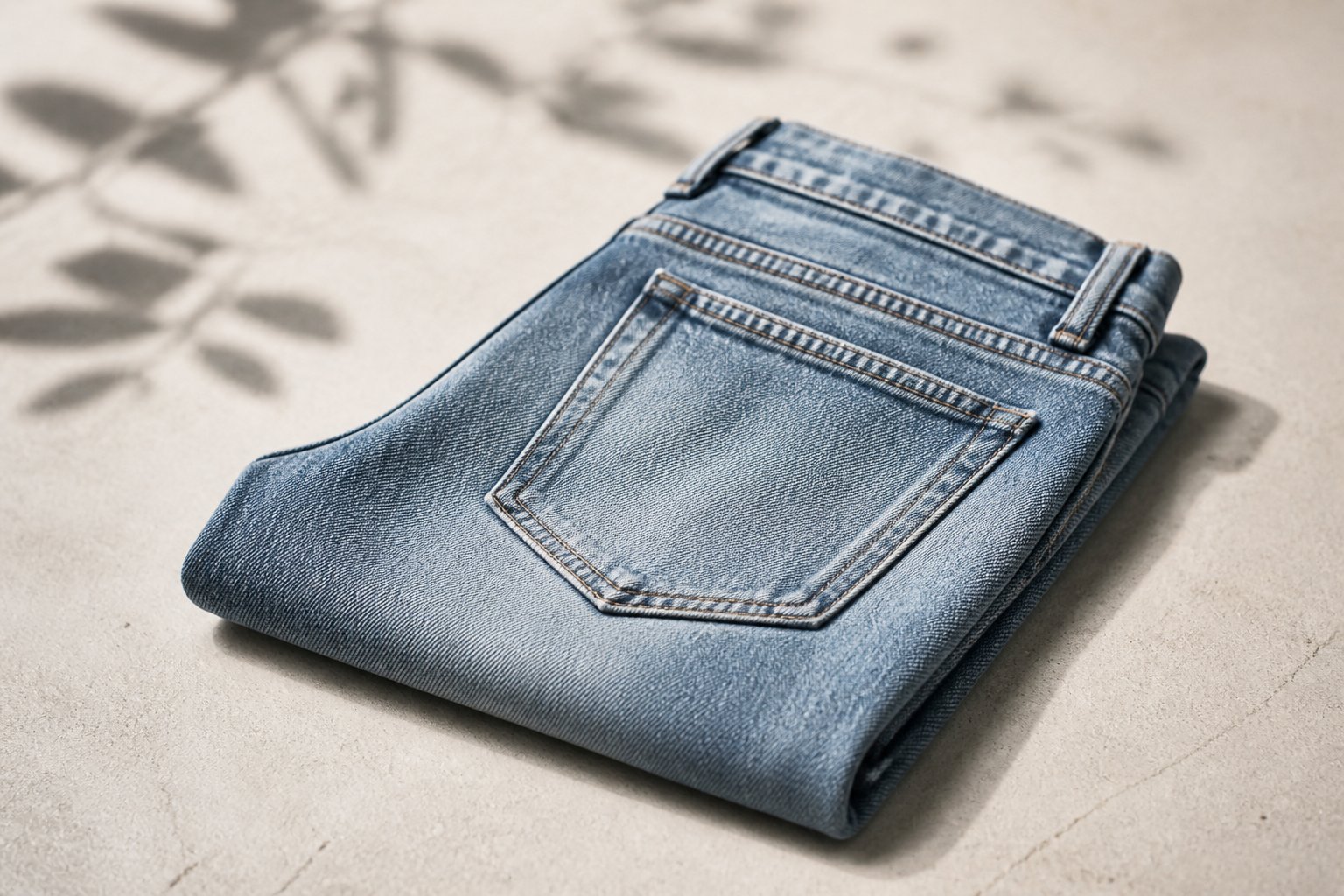
Great-fitting jeans are the foundation of a versatile wardrobe. By understanding your body type and focusing on the right checkpoints—waist, seat, thigh, and length—you can find denim that flatters your shape and feels comfortable all day. Remember that fit is personal: what works for one man may not work for another, so use these guidelines as a starting point and trust what you see in the mirror.
Key takeaways: choose a rise that suits your torso length and comfort; ensure the waist fits without a belt; give your thighs room to move; and hem to a clean break. Avoid the trap of chasing a size number, and don’t hesitate to tailor for a perfect fit. For more on selecting jeans that match your body and values, explore our guide to choosing the best jeans for your body type or browse new releases for updated cuts and sustainable options.
Jeans should fit snugly in the waist without needing a belt to stay up, but you should be able to slide two fingers comfortably inside the waistband. If the waistband digs in, leaves marks, or gaps at the back when you sit, the size or rise is wrong.
For athletic builds with thicker thighs, look for relaxed, athletic, or tapered cuts that provide extra room in the hip and thigh while narrowing below the knee. A mid or high rise also helps prevent a tight, uncomfortable fit.
For most men, a half break or no break is the most versatile and modern length. A half break creates a slight fold at the shoe, while a no break ends right at the shoe without folding. Avoid excessive stacking or high-water hems.
Stretch denim will relax slightly with wear, so choose a size that feels snug but not tight initially. If you’re between sizes, you can often size down in stretch denim, but always ensure the waist and thighs are comfortable when sitting.
