




Every season, denim brands flood the market with new drops, many wrapped in eco-friendly claims. But how many of those promises hold water? Greenwashing denim—marketing that exaggerates or fabricates sustainability efforts—has become a widespread issue. According to ABC News, the term ‘sustainable’ is difficult to define, making it easy for brands to spin vague statements into green credentials. For conscientious shoppers, the challenge is separating genuine innovation from hollow buzzwords. This guide will equip you with the tools to cut through the noise, focusing on the new releases at SIFIRbir—a store that prioritises water-saving laser and ozone garment-wash technology over conventional, wasteful methods.
Traditional denim production can gulp up to 1,800 gallons of water per pair—much of it discharged with toxic chemicals. Genuine sustainable denim uses drastically less. SIFIRbir’s exclusive production methods replace water-intensive stonewashing with laser and ozone treatments, cutting water use while preserving fabric integrity. The Washington Post notes that companies are redesigning jeans to lower their footprint; verifying specific water-reduction metrics is key to spotting greenwashing denim.
Top-tier eco-denim avoids harsh bleaches, potassium permanganate, and pumice stones. Instead, lasers create faded, whiskered effects with zero chemical waste. Ozone gas oxidises indigo without water. These technologies are not just marketing hooks—they are measurable shifts in process. SIFIRbir’s products, like the TheBelief Black Jeans, explicitly state they replace “harsh, toxic chemical treatments” with low-water washing techniques.
Greenwashing often masks poor construction. A truly sustainable jean is built to last, using reinforced stitching and quality hardware. SIFIRbir’s denim—such as the SELFNESS x SIFIRbir Coffee Touched Jeans—combines modern tailored aesthetics with industry-optimised eco fabrics. Good On You’s ultimate guide to sustainable jeans emphasises that a well-fitting pair can withstand plenty of wear, reducing the need for frequent replacements.
SIFIRbir’s new releases span classic and contemporary silhouettes. The TheBelief Walnut Dyed Jeans and TheBelief Dark Blue Jeans are tailored, minimalist collaborations that showcase low-water washing without sacrificing colour fastness. The SELFNESS x SIFIRbir Exclusive Limited Edition Jeans and Walnut Touched Jeans introduce unique natural dye effects derived from walnut shells and coffee, further reducing chemical dependency. For those seeking non-denim accessories, the WWII German Military-Inspired Vintage Canvas Bag ($3399) and the Flat Top Retro Cap ($210) round out the sustainable lifestyle offering, each handcrafted with durable, low-impact materials.
When combatting greenwashing, proper fit matters—ill-fitting jeans often end up discarded or unworn. Begin by measuring your waist and inseam with a flexible tape. SIFIRbir’s jeans are described as having “precise tailored shaping,” so stick to your usual size unless the brand provides specific size charts. For slim or straight cuts, check thigh room and seat comfort. If you prefer a relaxed silhouette, consider sizing up for ease. Remember: a jean that fits perfectly from day one is less likely to be replaced quickly, aligning with real sustainability.
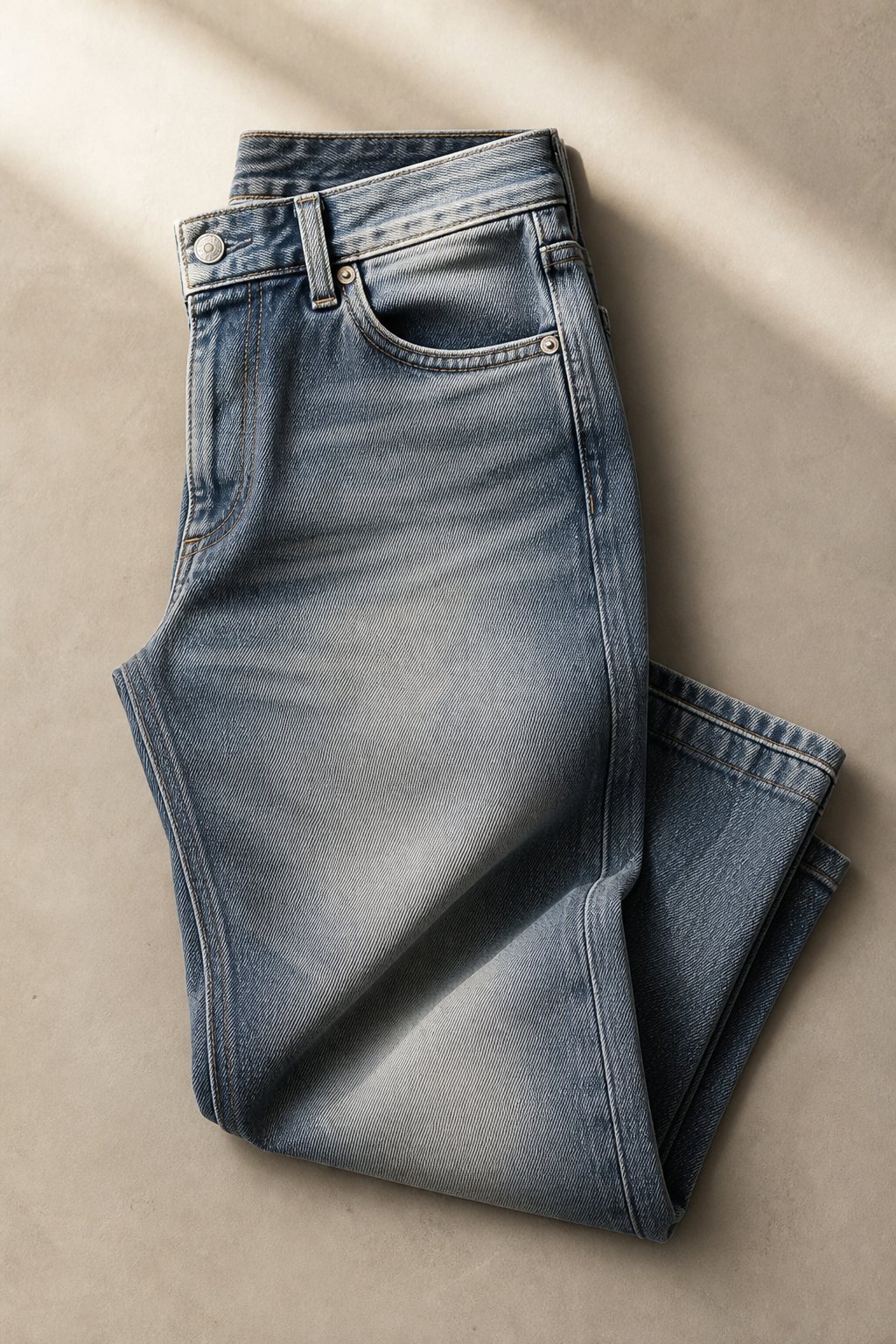
Cost is often a giveaway in greenwashing denim. Cheap jeans cannot afford laser machines, ozone generators, or certified organic materials. SIFIRbir’s new releases span entry-level accessories up to premium denim: the Flat Top Retro Cap at $210, each pair of jeans at $689, and the substantial Vintage Canvas Bag at $3399. These prices reflect investment in genuine low-impact technology and artisan craftsmanship. Organsk notes that the best sustainable denim brands of 2026 rely on rigorous, third-party verifications. When you see a standard pair of jeans listed for under $60 with buzzwords like “eco-friendly,” question how they afford the process. Real value comes from durability and ethical production, not cheap tags.
Based on transparency, construction, and innovative finishing, here are our top recommendations from SIFIRbir’s new releases:
Spotting greenwashing denim is about asking the right questions: How is the garment washed? What chemicals, if any, are used? Can you verify water savings? SIFIRbir’s new releases answer these questions with transparent product pages that detail laser/ozone technology and nü-kitchen innovations. When a drop makes you feel good, dig deeper—true sustainability shows in the process, not just the promise. Equip yourself with the knowledge from this guide, and you’ll make choices that are better for your wardrobe and the planet.
Greenwashing denim refers to marketing that exaggerates or falsely claims environmental benefits, such as saying a pair of jeans is ‘sustainable’ without providing verifiable proof of reduced water use, chemical-free processing, or ethical labour practices.
Look for specific, measurable claims—like liters of water saved per pair, the use of laser or ozone finishing instead of chemicals, and third-party certifications. SIFIRbir, for instance, explicitly states it uses low-water washing and replaces toxic chemical treatments with laser and ozone technology.
Generally, yes. Genuine sustainable denim involves investment in advanced machinery, certified organic materials, and fair wages. SIFIRbir’s jeans are priced at $689, reflecting their low-water, chemical-free production. If a pair is very cheap and claims to be green, it’s likely greenwashing.
Low-water washing uses techniques like laser engraving and ozone gas to create fading and finishing effects that traditionally require hundreds of gallons of water per pair. SIFIRbir’s nü-kitchen innovations eliminate pumice stones and harsh bleaches, drastically cutting water consumption while preserving fabric strength.
