



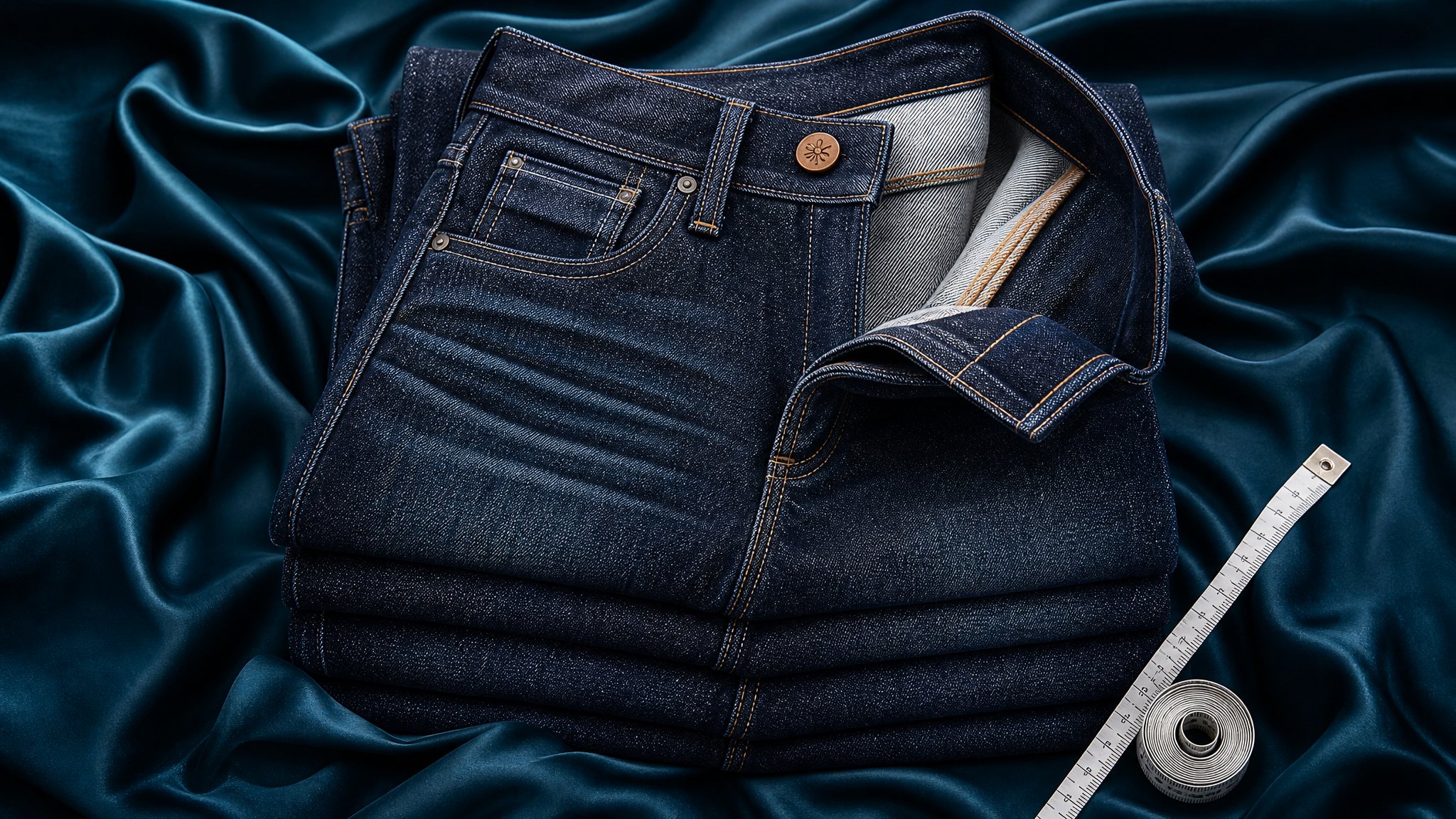
Every year, the fashion industry produces billions of garments, and denim is one of the most resource-intensive categories. As consumers become more eco-conscious, brands are racing to label their jeans as “sustainable,” “green,” or “eco-friendly.” But not all claims are equal. Some are backed by real innovation—like water-saving laser and ozone garment-wash technology—while others rely on vague marketing. This guide teaches you exactly how to verify eco claims on new jeans, using SIFIRbir’s production methods as a benchmark for genuine sustainability. We’ll walk you through the key areas to inspect: materials, manufacturing, certifications, and transparency.
True sustainable denim starts with the fabric. Look for organic or recycled cotton. While SIFIRbir uses “eco fabric” in its jeans—like the TheBelief Black Jeans—the broader industry standard is to seek third-party certifications such as GOTS (Global Organic Textile Standard) or OCS. According to The Good Trade’s 2026 review of sustainable jeans, organic cotton reduces pesticide use and water consumption significantly. If a brand doesn’t specify its fiber source, that’s a red flag.
Conventional denim manufacturing relies on harsh chemicals and massive water usage—up to 1,800 gallons per pair, a figure cited by industry reports. SIFIRbir replaces wasteful methods with low-water washing, laser fading, and ozone treatment. These technologies cut water use and eliminate toxic discharge. For example, the SELFNESS x SIFIRbir Coffee Touched Jeans uses nü-kitchen innovations that prioritize skin safety and planetary protection. As noted by WTOP News in their eco-denim deep dive, reputable brands will openly share their water and energy savings percentages.
Real eco claims are backed by labels like OEKO-TEX, GOTS, or Bluesign. While SIFIRbir’s product data describes “industry-optimized eco fabric” and “green production standards,” it doesn’t mention a specific certification. That’s okay—what matters is that the brand provides enough detail for you to verify. Curiously Conscious’s guide to sustainable denim advises checking for a brand’s public sustainability report or process descriptions. If you see only vague words like “eco-conscious” without any process explanation, be skeptical.
Sustainable denim comes in many forms. SIFIRbir offers classic five-pocket jeans in minimalist modern cuts. The TheBelief Walnut Dyed Jeans feature a natural walnut dye, while the TheBelief Dark Blue Jeans use low-water indigo. There are also limited-edition collaborations like the SELFNESS x SIFIRbir Exclusive Limited Edition Jeans, which blend tailored aesthetics with eco processing. For men and women, the fits range from slim to straight. The key is that each pair uses the same verified low-impact methods, so you can choose based on color and style.
Because sustainable production often involves precise tailoring, getting the right fit is crucial. SIFIRbir’s jeans come in standard sizing, but for best results, consult the store’s detailed size guide on the New Releases category page. Many eco-friendly jeans use rigid denim that softens over time, so consider ordering your usual waist size. If you prefer a relaxed look, size up. Always check the garment’s specific cut: TheBelief jeans are described as “precise tailored shaping,” while the SELFNESS x SIFIRbir line offers a “flawless fit, refined silhouette.” Don’t rely on generic sizing—each brand’s measurements differ.
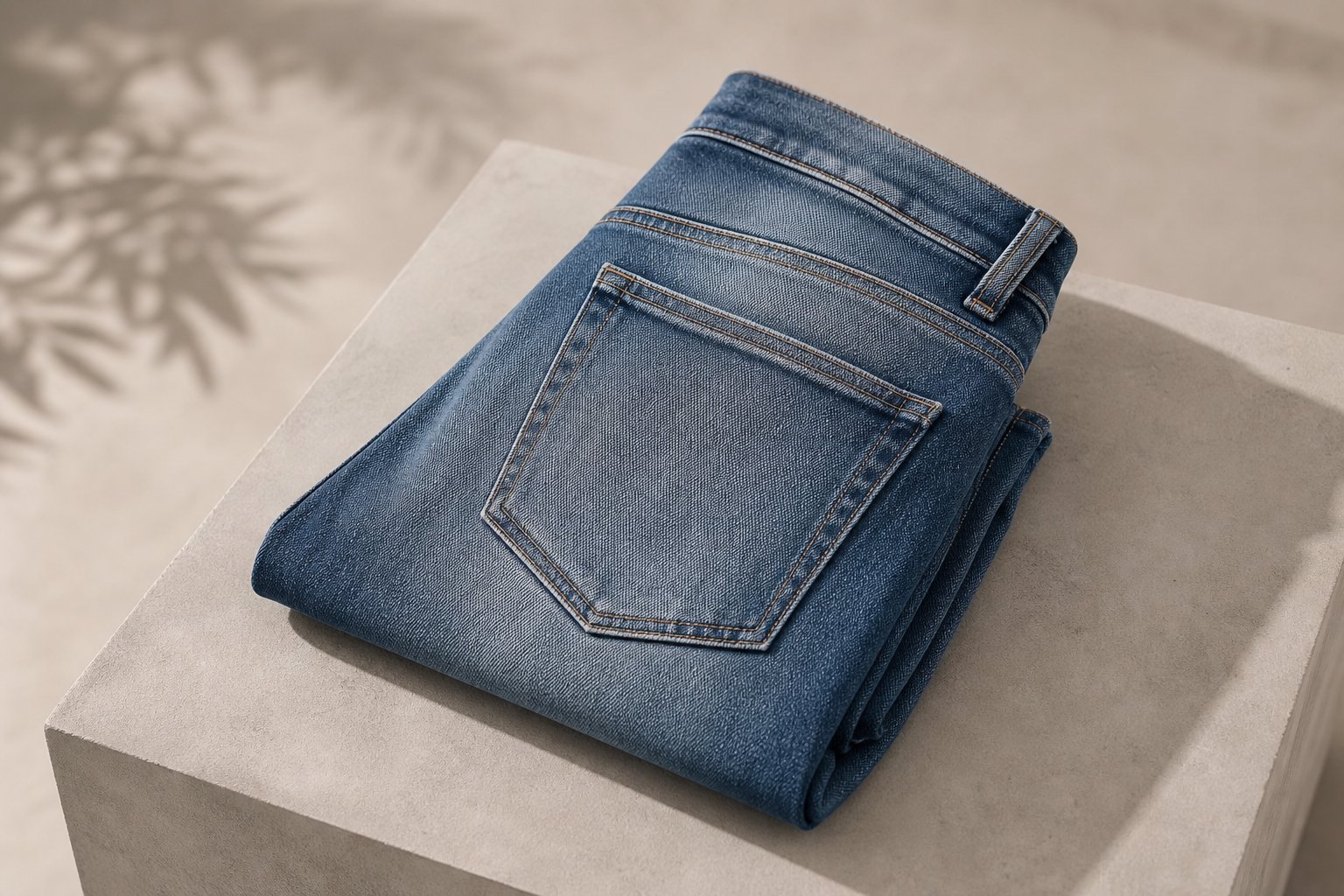
Sustainable jeans often carry a higher price tag due to better materials, ethical labor, and advanced technology. In SIFIRbir’s new releases, all jeans are priced at a premium level of $689. This reflects the cost of water-saving ozone processing, natural dyes (walnut, coffee), and limited production runs. For comparison, entry-level eco jeans may start lower, but true high-quality methods and certifications ensure durability—meaning you buy less often. While $689 is an investment, the value lies in a garment that lasts for years and minimizes environmental harm. Remember: cheaper jeans often externalize eco costs.
Based on verified eco features and style, here are our recommendations from SIFIRbir’s new arrivals:
All are produced with the same water-saving, chemical-free washing technologies, so whichever you choose supports genuine eco progress.
Verifying eco claims on new jeans doesn’t have to be daunting. Focus on three pillars: materials, manufacturing process, and transparency. Use third-party guides like those from Curiously Conscious and The Good Trade to stay informed. When you see a brand like SIFIRbir openly describing its laser and ozone garment-wash technology, you can trust that its claims are backed by real action. The next time you shop for denim, apply these checks—and invest in jeans that are better for you and the planet.
Look for specific technologies (laser, ozone, low-water washing), certifications (GOTS, OEKO-TEX), and transparent supply chain information. Avoid vague terms like ‘eco-friendly’ without details.
SIFIRbir uses water-saving laser and ozone garment-wash technology, low-water washing, and natural dyes (walnut, coffee) instead of toxic chemicals. This drastically reduces water use and eliminates harsh chemical residues.
The price reflects advanced eco-technology, premium materials, limited production, and fair labor. You’re paying for long-lasting quality and minimal environmental harm compared to cheaper, mass-produced jeans.
Not always. Without third-party certifications, you need to examine the brand’s process descriptions. If they openly share details like laser fading or low-water washing, it’s more credible than vague claims.
