



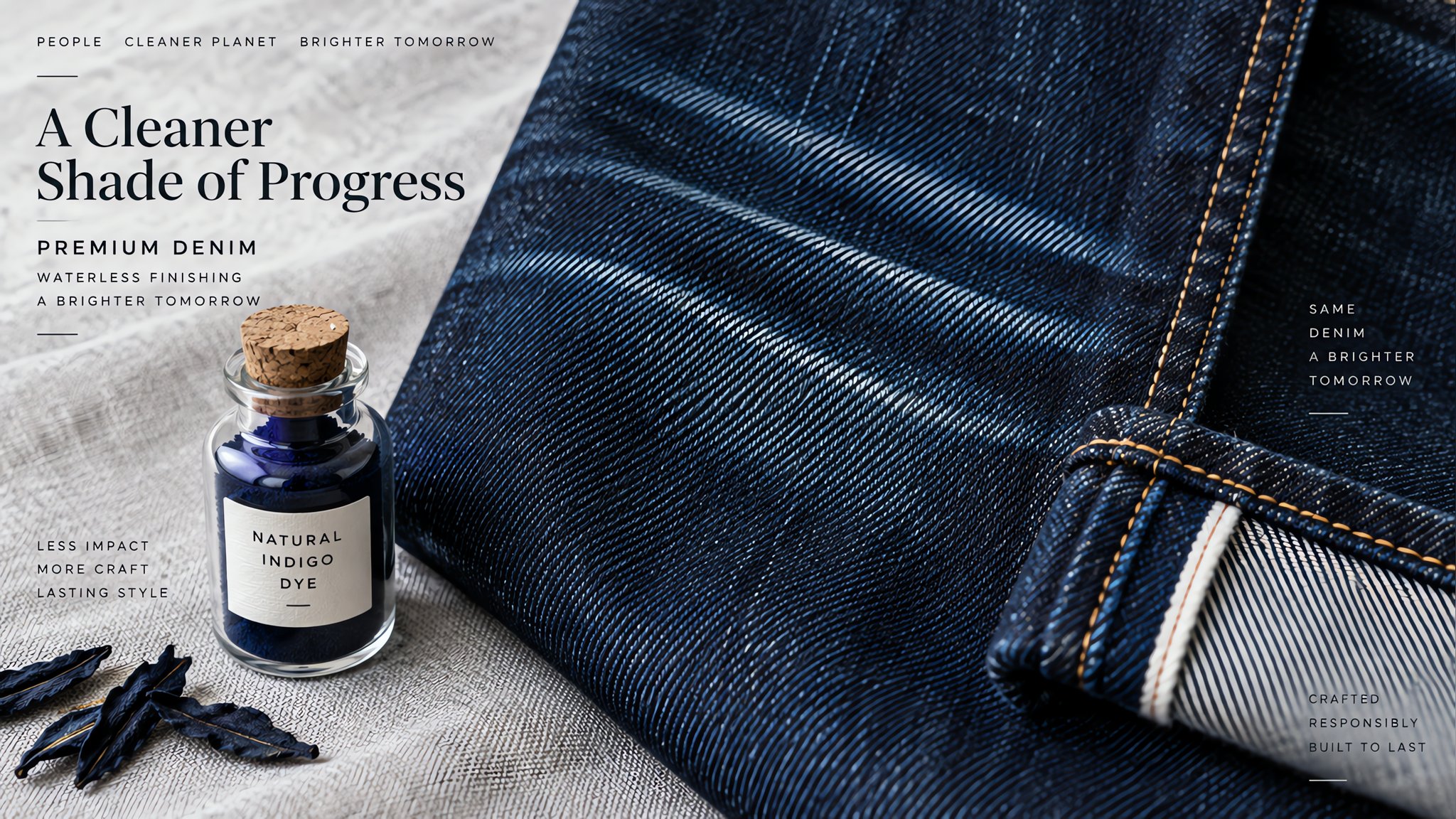
Denim is one of the most beloved fabrics in the world, but it also carries a heavy environmental price. A single pair of conventional jeans can consume thousands of liters of water, rely on toxic dyes, and generate significant carbon emissions. As consumers become more conscious, brands have responded with greener messaging—but not all of it is truthful. Greenwashing, or making misleading environmental claims, is rampant in the fashion industry. This guide will teach you how to spot truly eco-friendly denim by exposing seven common greenwashing red flags. By the end, you’ll be able to shop with confidence, knowing which jeans actually reduce water use, avoid harmful chemicals, and support ethical production.
We’ll draw on recognized guidance from sustainable fashion experts and link to authoritative resources, so you can verify the facts yourself. Whether you’re new to sustainable denim or a seasoned conscious shopper, understanding these red flags will help you avoid paying a premium for empty promises.
Sustainable denim refers to jeans produced with reduced environmental impact across the entire lifecycle—from raw material cultivation to manufacturing, use, and disposal. This typically includes organic or recycled cotton, water-saving dyeing and finishing technologies, non-toxic chemicals, and fair labor practices. According to a comprehensive guide on sustainable denim, checking the fabric composition and verifying ethical production are essential first steps. However, sustainability is not a single attribute; it’s a holistic approach that considers water, energy, chemicals, and social impact.
The denim industry is highly competitive, and sustainability sells. A 2024 report highlighted that consumers are willing to pay more for eco-friendly products, leading some brands to exaggerate or fabricate environmental claims. Common tactics include using vague terms like “eco-friendly” or “green” without evidence, highlighting a single eco-feature while ignoring other harmful practices, and using nature-inspired imagery to imply sustainability. As Vogue Arabia’s guide to sustainable denim notes, shoppers should look for specific certifications and fiber content rather than relying on marketing language.
Beware of words like “green,” “eco,” “natural,” or “conscious” without any supporting data. A truly eco-friendly brand will specify what makes the product sustainable—such as “made with 80% organic cotton” or “saves 65% water compared to conventional washing.” If a label simply says “eco-friendly denim” with no explanation, it’s likely greenwashing. Look for measurable claims and third-party certifications. For instance, our guide on sustainable denim certifications explains which labels to trust.
A common tactic is to highlight a single sustainable feature—like recycled cotton—while ignoring massive water use in finishing or toxic dyes. For example, a brand may use organic cotton but still employ conventional stone washing that consumes huge amounts of water and creates sludge. True sustainability addresses the whole production process. As this infographic on eco-friendly jeans explains, organic cotton saves water in cultivation, but if the garment is then stone-washed, those savings are partly negated. Check whether the brand discloses its entire supply chain, including dyeing and finishing methods.
Legitimate sustainable denim brands back up their claims with certifications like GOTS (Global Organic Textile Standard), OEKO-TEX, or BCI (Better Cotton Initiative). These independent bodies verify environmental and social standards. If a brand cannot provide any certification or detailed impact data, be skeptical. Certifications are not perfect, but they offer a baseline of accountability. Our article on how to tell if jeans are eco-friendly dives deeper into what to look for.
Images of leaves, green fields, or “earth-friendly” language do not make a product sustainable. This is classic greenwashing: using visual cues to imply environmental virtue without substance. Similarly, terms like “biodegradable” or “compostable” may be technically true but irrelevant for denim, which is not typically composted at end-of-life. Focus on concrete facts: water usage, chemical inputs, and fiber origin.
Denim production is water-intensive, especially in the finishing stage. Conventional stone washing can use up to 70 liters of water per pair, while laser and ozone technologies drastically reduce that amount. If a brand claims water savings but doesn’t disclose numbers or methods, be wary. Look for specifics like “ozone washing saves 65% water”—a claim that can be verified. Our guide on ozone denim washing explains how this technology works and why it matters.
Some large fast fashion brands launch a small “sustainable” line while continuing to produce millions of conventional garments. This is a classic greenwashing strategy: a token eco-collection to attract conscious consumers without changing core practices. According to Two Thirds’ guide to sustainable blue jeans, true sustainability requires a systemic shift, not a capsule collection. Check whether the brand’s overall operations are sustainable, or if the eco-line is just a marketing ploy.
Environmental impact is only half the story. Truly eco-friendly denim also ensures fair wages, safe working conditions, and no forced labor. If a brand touts its organic cotton but is silent on labor practices, that’s a red flag. Look for certifications like Fair Trade or SA8000, or at least a clear code of conduct. Sustainability encompasses people and planet; one without the other is incomplete.
Spotting truly eco-friendly denim requires a critical eye. Avoid vague claims, demand transparency, and look for third-party certifications. Be wary of brands that highlight one green feature while ignoring others, and remember that social sustainability is just as important as environmental impact. By recognizing these seven greenwashing red flags, you can make informed choices that genuinely reduce your fashion footprint. For more guidance, explore our checklist for choosing eco-friendly jeans or browse our sustainable jeans collection. Every purchase is a vote for the kind of world you want to live in—make it count.
Greenwashing is when a brand makes misleading or unsubstantiated environmental claims about its denim products, such as using vague terms like ‘eco-friendly’ without evidence or highlighting one sustainable feature while ignoring other harmful practices.
Look for specific, verifiable claims such as organic or recycled fiber content, water-saving technologies (like laser or ozone washing), and third-party certifications like GOTS or OEKO-TEX. Transparent brands will provide data on water use, chemicals, and labor practices.
Not necessarily. Organic cotton reduces water and pesticide use in cultivation, but if the jeans are then finished with conventional stone washing or toxic dyes, the overall impact remains high. Check the entire production process, not just the raw material.
Key certifications include GOTS (organic fiber and processing), OEKO-TEX (chemical safety), BCI (Better Cotton Initiative), and Fair Trade (ethical labor). These provide independent verification of environmental and social claims.
