



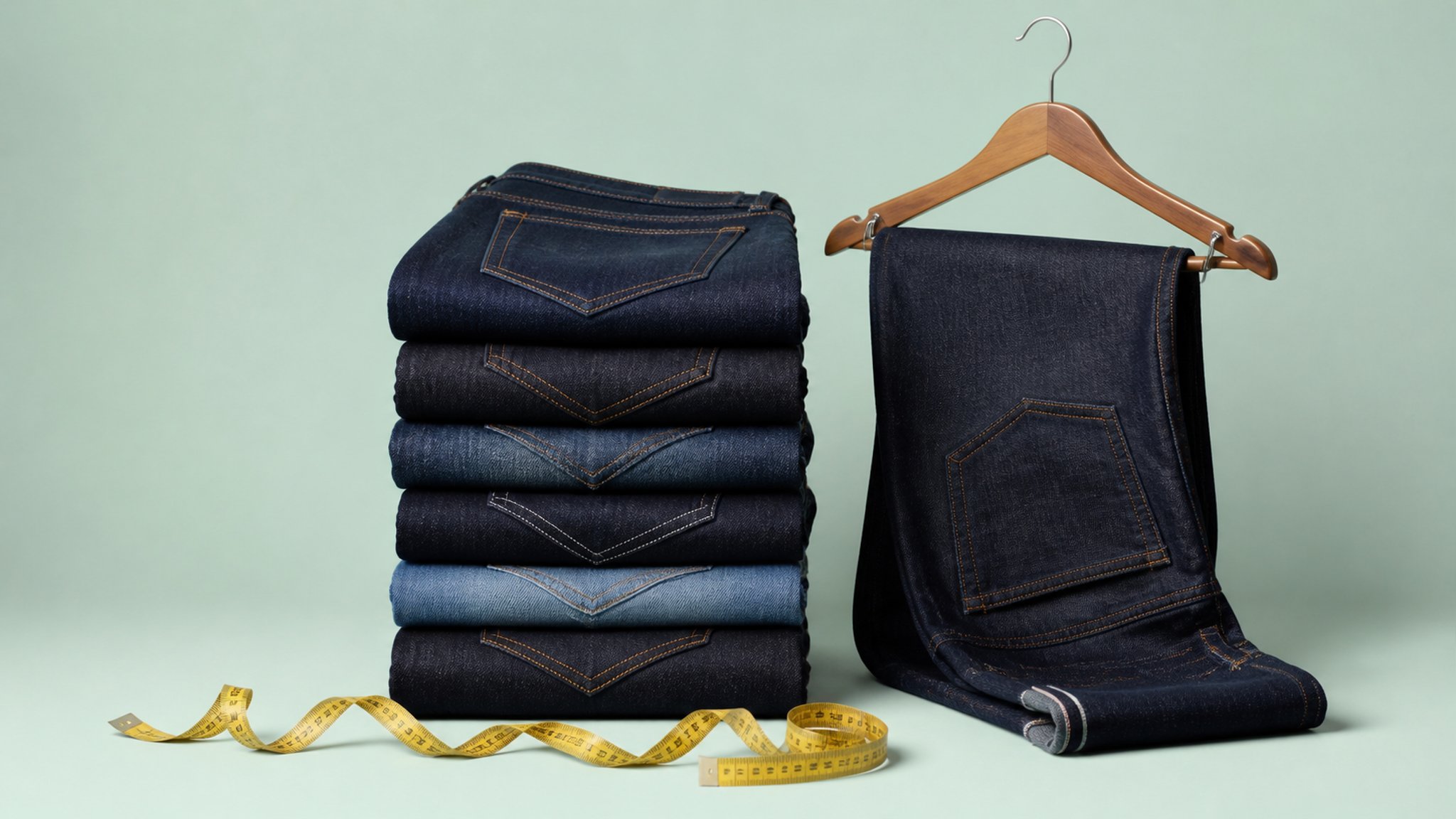
Finding the perfect pair of jeans can feel like an endless quest. With so many cuts, rises, and washes available, it’s easy to get overwhelmed—especially when you’re also trying to make a sustainable choice. The truth is, the best jeans aren’t just about following trends; they’re about understanding your unique body shape and selecting a silhouette that flatters your proportions. When jeans fit well, they boost your confidence, streamline your wardrobe, and reduce the urge to buy more than you need.
In this guide, you’ll learn how to identify your body type, which jeans styles work best for each shape, and how to balance fit with sustainable denim practices. We’ll draw on recognized fit principles and current denim trend insights to help you make informed choices. Whether you’re curvy, athletic, or somewhere in between, you’ll walk away with a clear framework for finding jeans that look and feel made for you—without compromising on eco-friendly values.
Body shapes are typically categorized into a few common silhouettes: pear (hips wider than shoulders), apple (fuller midsection), hourglass (balanced bust and hips with a defined waist), rectangle (straight up and down), and inverted triangle (shoulders wider than hips). While these categories aren’t rigid, they provide a helpful starting point for understanding how different jeans cuts interact with your natural proportions. The goal isn’t to conform to a label but to use it as a guide for balancing your frame.
According to sustainable fashion guidance, the most ethical jeans are the ones you’ll wear for years—and that starts with a fit you love. When you understand your body type, you can shop with intention, avoiding impulse buys that end up unworn. This reduces waste and supports a more mindful approach to denim consumption.
Before diving into specific recommendations, it’s essential to understand three core fit elements. Rise refers to the distance from the crotch to the waistband: low-rise sits below the natural waist, mid-rise at or just below it, and high-rise at or above it. Cut describes the leg shape—skinny, straight, bootcut, flare, wide-leg, or relaxed. Stretch indicates how much elastane or spandex is blended with cotton; more stretch offers comfort but may lose shape over time, while rigid denim holds structure but requires a break-in period.
These elements work together to create the overall silhouette. For example, a high-rise straight-leg jean can elongate the legs and define the waist, while a low-rise skinny jean might emphasize the hips. Understanding how these variables interact with your body type is the key to a flattering fit.
If your hips are wider than your shoulders, you’ll want jeans that create visual balance by adding volume to the lower leg while keeping the hip area streamlined. Straight-leg jeans are a classic choice because they follow the line of the body without clinging to the hips, creating a clean, elongated look. Wide-leg or bootcut styles also work well, as the flare from the knee down helps counterbalance wider hips.
Avoid overly skinny jeans that can emphasize the hip-to-thigh ratio and make the upper body appear smaller. Instead, opt for a mid-rise or high-rise to prevent gapping at the waist. Dark washes are universally slimming and pair beautifully with these cuts. For more on finding the right silhouette, check out our guide on how to choose the right jean silhouette.
For an apple body type, where weight tends to concentrate around the midsection, the goal is to create a smooth, comfortable fit that doesn’t dig in or create a muffin top. High-rise jeans are your best friend—they hold in the tummy, define the waist, and provide a secure foundation. Look for styles with a contoured waistband and a bit of stretch (2–4% elastane) for all-day comfort.
Straight-leg and bootcut jeans work well because they don’t taper too aggressively at the ankle, which can make the midsection appear larger by contrast. Avoid low-rise jeans, which can cut into the stomach and create an unflattering line. Our jeans collection includes high-rise options designed with sustainable materials and comfortable stretch.
Hourglass figures are balanced at the bust and hips with a defined waist. The challenge is finding jeans that fit both the hips and the waist without gapping at the back. Look for jeans with a contoured waistband or a “curvy” fit that’s designed with a smaller waist-to-hip ratio. High-rise skinny or straight-leg jeans can beautifully showcase your curves without overwhelming them.
Stretch denim is particularly helpful for hourglass shapes, as it molds to your body while maintaining structure. Avoid rigid, non-stretch jeans unless they’re specifically tailored for curves—they’re more likely to gap at the waist. Bootcut styles also work well to balance the hips and create a long, lean line.
If your shoulders, waist, and hips are relatively aligned, you have a rectangle body type. The goal is to create the illusion of curves by adding volume at the hips and thighs or by cinching the waist. Relaxed-fit and boyfriend jeans add casual volume, while high-waisted flared jeans can create a curvier silhouette by emphasizing the waist and adding flare at the hem.
Mid-rise jeans with back pocket detailing (like flaps or embroidery) can also add visual interest to the hip area. Avoid ultra-skinny jeans that can make the body look straighter. Instead, experiment with wider legs and cropped lengths to add dimension. For the latest sustainable options, explore our new releases.
For an inverted triangle shape, where shoulders are broader than hips, the aim is to add volume to the lower body to create balance. Wide-leg and flare jeans are excellent choices because they draw the eye downward and add width at the hem. Pair them with a fitted top to keep the focus on the legs.
Straight-leg jeans with a slight bootcut can also work, but avoid skinny jeans that taper sharply at the ankle and make the upper body appear even broader. High-rise styles help define the waist and create a more proportional look. Remember, fit is personal—try on multiple cuts to see what feels best.
Choosing the best jeans for your body type is less about following rigid rules and more about understanding your proportions and what makes you feel confident. Start by identifying your general body shape, then experiment with rises, cuts, and stretch levels that balance your silhouette. Remember that fit trumps trend every time, and a well-fitting pair of jeans will outlast any fleeting fashion moment.
Beyond fit, consider the environmental impact of your denim. Sustainable practices like laser and ozone washing can save significant water—our technology reduces water use by up to 90% compared to traditional methods. By choosing eco-friendly jeans and caring for them properly, you’re making a choice that benefits both your wardrobe and the planet. Explore our full range of sustainable jeans to find your perfect fit.
High-rise straight-leg jeans are widely considered the most flattering for most body types because they define the waist, elongate the legs, and create a balanced silhouette without clinging too tightly.
A proper waist fit means you can slide two fingers comfortably between the waistband and your skin. If there’s gapping at the back or the jeans dig in, the rise or size isn’t right for your body type.
Absolutely. Sustainable jeans are made with the same range of cuts and sizes as conventional denim. Look for brands that use water-saving technologies and offer detailed size guides to ensure a great fit without compromising on eco-friendliness.
To preserve both fit and fabric, wash jeans every 5–10 wears, or spot clean as needed. Frequent washing breaks down fibers and causes stretching, so less is more. Always air dry to maintain shape.
