



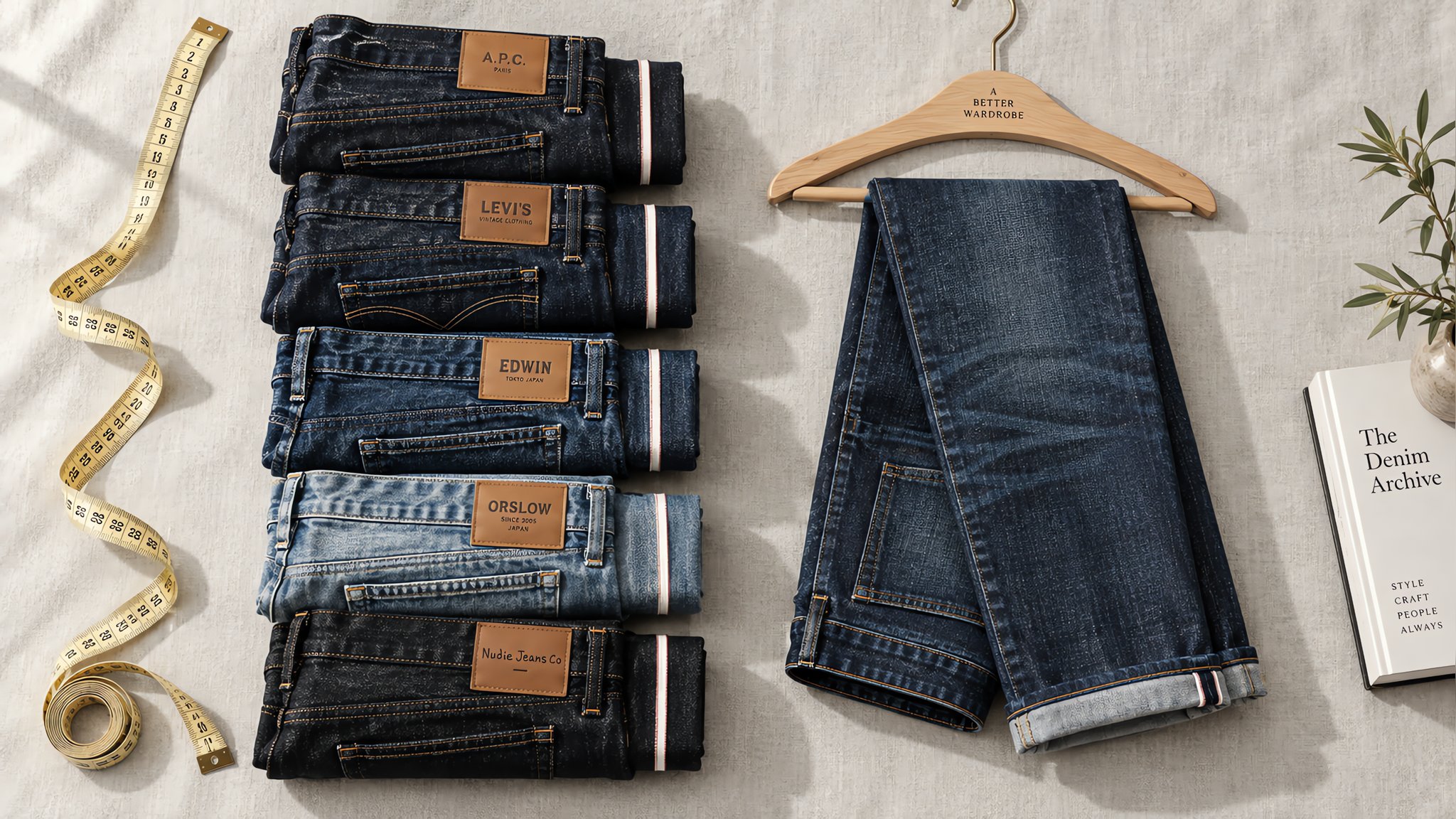
Finding jeans that fit well can feel like a never-ending quest. The right pair flatters your shape, boosts your confidence, and becomes a wardrobe staple you reach for again and again. The wrong pair? It collects dust in the back of your closet. The secret isn’t chasing trends—it’s understanding how different cuts, rises, and fabrics interact with your unique proportions. This guide will walk you through the fundamentals of choosing jeans for your body type, from decoding rise and leg shape to selecting sustainable options that look good and do good. Whether you’re tall, petite, curvy, or athletic, you’ll learn practical tips to narrow your search and avoid common fit mistakes. Let’s find your perfect pair.
Before diving into body types, it’s essential to know the language of denim. The rise is the distance from the crotch seam to the top of the waistband. High-rise jeans sit at or above your natural waist, offering more coverage and often elongating the legs. Mid-rise sits just below the navel, a versatile choice for many shapes. Low-rise sits on the hips, which can shorten the torso visually. The leg shape refers to how the jeans fit from the thigh down: skinny, straight, bootcut, flare, wide-leg, or tapered. Fabric matters too—stretch denim includes elastane for flexibility, while rigid denim holds its shape and often molds to your body over time. According to Denimhunters’ comprehensive fit guide, understanding these basics is the first step to a flattering fit.
Your body type influences how different jeans silhouettes sit on your frame. Broadly, body shapes can be categorized as pear (hips wider than shoulders), apple (fullness around the midsection), hourglass (balanced shoulders and hips with a defined waist), rectangle (straight up and down), and inverted triangle (shoulders wider than hips). While these categories are not rigid, they provide a helpful starting point. For example, a pear shape may prefer a straight or wide-leg to balance the hips, while an hourglass often shines in high-rise skinny or flared styles that highlight the waist. The goal is not to hide your body but to create visual harmony and comfort. As Bloomingdale’s denim guide notes, certain styles can accentuate or minimize features, so knowing your shape helps you make intentional choices.
If you carry more weight in your hips, thighs, and rear, look for jeans that balance your lower half. A straight-leg or slight bootcut creates a clean line from hip to hem, preventing the leg from looking overly tapered. Mid-rise or high-rise styles help define the waist without digging in. Avoid overly skinny jeans that cling to the thigh and emphasize the hip area, unless you love that look. Dark washes are universally slimming and versatile. For a modern option, consider a wide-leg jean with a structured fabric that skims rather than clings. Remember, the best pair is one you feel amazing in, so don’t be afraid to experiment.
For those with a fuller midsection, comfort at the waist is key. Look for jeans with a higher rise that smooths and supports the tummy area—often labeled as “tummy control” or “sculpting.” A straight or slim-straight leg keeps the silhouette streamlined without adding bulk. Avoid low-rise styles that can create a muffin top and draw attention to the midsection. Dark, solid washes are flattering. Stretch denim with a bit of recovery (the ability to bounce back) will keep its shape throughout the day. A bootcut can also balance the upper body by adding a slight flare at the hem. The Wirecutter review of men’s jeans emphasizes that a comfortable, supportive waistband is non-negotiable for all-day wear, and the same applies to women’s styles.
Hourglass shapes have a defined waist with balanced hips and shoulders. The goal is to highlight that waist without gaping at the back. High-rise skinny or slim-straight jeans are excellent choices because they hug the curves in all the right places. If you prefer a looser fit, try a high-rise wide-leg or flare that cinches at the waist and flows over the hips. Look for jeans with a contoured waistband or a bit of stretch to prevent gaping. Mid-rise styles can also work, but ensure they sit securely at your natural waist. Avoid very low-rise jeans that may slide down or create an unflattering line. A dark wash with minimal distressing keeps the focus on your shape.
If your shoulders, waist, and hips are relatively aligned, you can create the illusion of curves with the right denim. Low- to mid-rise jeans can add definition to the hip area. Styles with back pocket details, such as flaps or embroidery, add volume to the rear. A slight flare or bootcut adds movement and shape to the lower leg. High-rise skinny jeans can also work by elongating the legs and defining the waist. Avoid overly baggy boyfriend jeans that may hide your shape entirely. According to Bloomingdale’s editorial, high-waisted styles can add inches to shorter legs, making them a smart choice for petite rectangles.
Beyond body shape, your height and leg length influence fit. Petite individuals (under 5’4″) often benefit from cropped or ankle-length jeans that visually elongate the leg. High-rise styles also help create a longer line. Avoid overwhelming wide-legs unless they are tailored to your inseam. Tall individuals can carry off wide-leg and flare styles beautifully, but should check that the rise is proportional—too low a rise can make the torso look long. If you have a short torso, mid-rise may be more comfortable than high-rise. Conversely, a long torso can handle high-rise easily. Always consider the inseam; many brands offer petite and tall lengths, and hemming is an easy fix.
Choosing jeans for your body type is less about following rigid rules and more about understanding your proportions and preferences. Start with the rise and leg shape that flatter your figure, then consider fabric and sustainability. Remember these key points: high-rise styles elongate and define the waist; straight and wide legs balance hips; stretch denim offers comfort for curvy shapes; and sustainable options like laser and ozone washed jeans reduce environmental harm without compromising style. Don’t be afraid to try different styles—your perfect pair is out there. For more on sustainable denim innovations, check out our article on how laser and ozone denim washing saves water and chemicals. And if you’re ready to shop, explore our new releases for the latest eco-friendly styles.
High-rise jeans are often considered the most universally flattering because they sit at the natural waist, define the midsection, and elongate the legs. They work well for pear, hourglass, and petite shapes. However, comfort and personal preference matter most—mid-rise is a versatile alternative for those with shorter torsos.
Yes, petite individuals can wear wide-leg jeans. The key is to choose a high-rise style and ensure the inseam is tailored to hit at the ankle or floor without dragging. Pairing with heels or platforms can also add height. Avoid overly voluminous wide-legs that overwhelm a smaller frame.
Look for jeans made with water-saving technologies like laser and ozone washing, which reduce water and chemical use compared to traditional methods. Check for certifications such as GOTS, OEKO-TEX, or BCI. Read our guide on how to spot truly eco-friendly jeans for more details.
Generally, size down in stretch jeans if you’re between sizes, as they will relax with wear. However, avoid sizing down too much—jeans should fit comfortably when you try them on, not feel restrictive. A good rule is to choose the size that fits your waist and hips without gaping or squeezing.
