



Denim is one of the most personal fabrics in your wardrobe. It molds to your body, records your habits, and tells a story over time. But before you invest in your next pair, you’ll likely face a fundamental choice: raw vs washed denim. These two categories represent opposite ends of the denim spectrum — one untouched and stiff, the other softened and pre-faded. Understanding the difference can save you from disappointment, help you choose jeans that match your lifestyle, and even reduce your environmental footprint.
In this guide, we’ll break down what raw and washed denim actually are, how they differ in look, feel, and durability, and which option makes sense for you. We’ll also explore how modern sustainable finishing techniques are changing the game, so you can make an informed choice without sacrificing ethics or comfort.
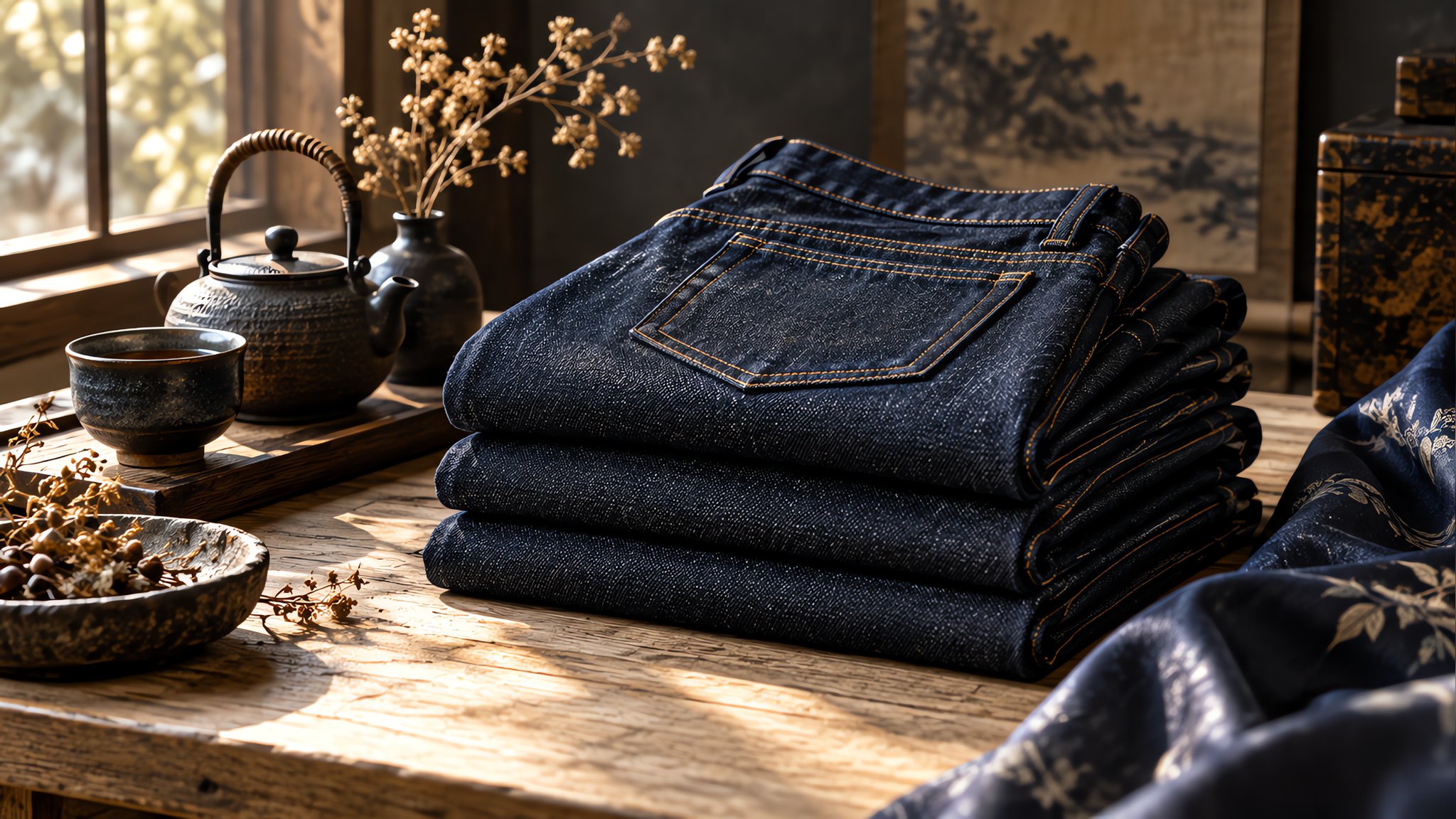
Raw denim — also called dry denim — is denim in its purest form. It comes straight from the loom, unwashed and untreated after weaving. According to Candiani Denim’s fabric guide, raw denim is typically stiff, deeply indigo-dyed, and has not been softened or distressed. Because it hasn’t been pre-shrunk or washed, raw denim tends to shrink noticeably after the first wash and develops unique crease patterns — called “whiskers” and “honeycombs” — as you wear it.
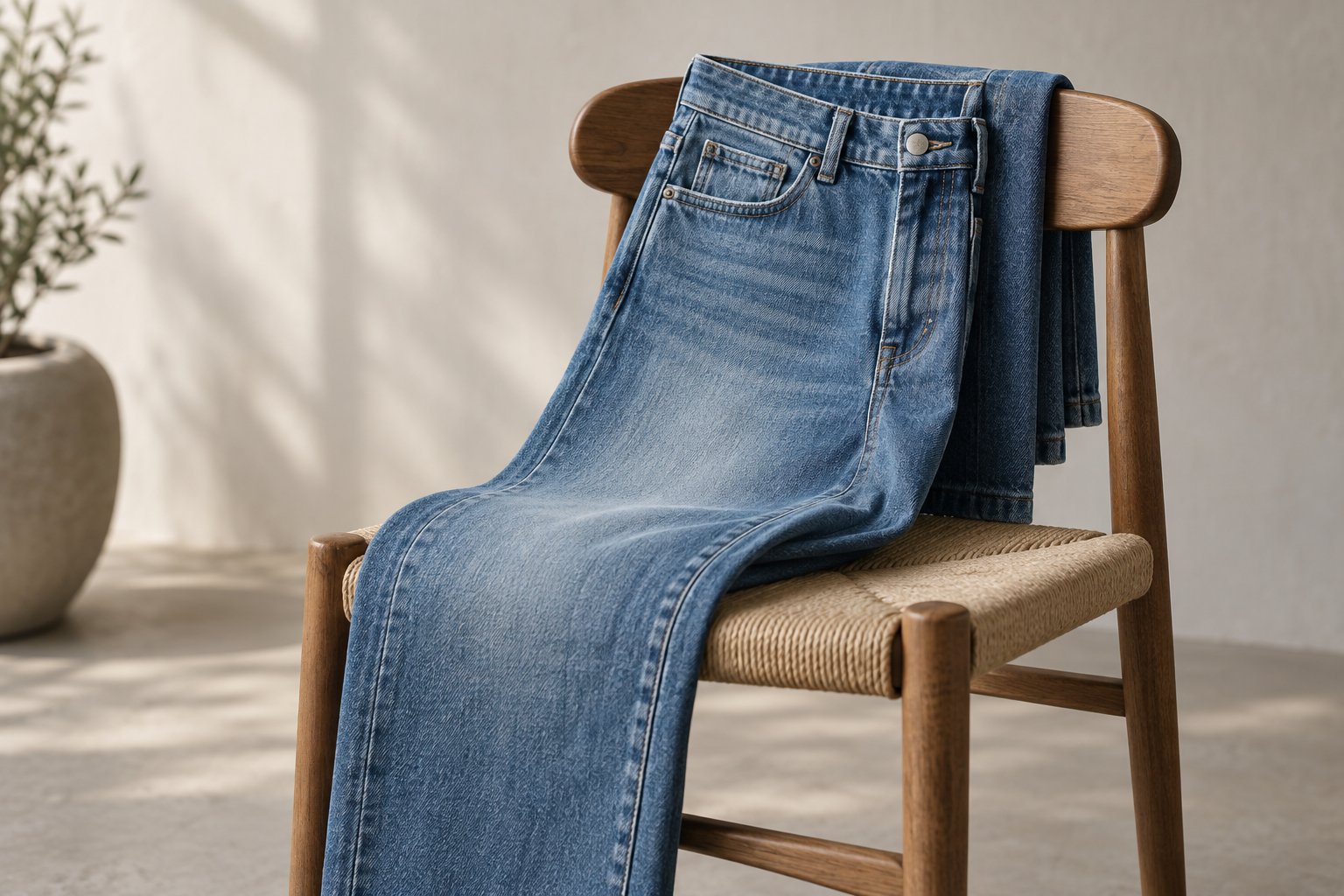
Washed denim has undergone some form of industrial washing or finishing after weaving. This can include simple rinse washes to remove excess dye, stone washing for softness, acid washing for high-contrast patterns, or enzyme washes for a broken-in feel. As sourcing experts explain, washed denim is pre-shrunk, softer, and often lighter in color. It’s the type of denim most people are familiar with from mainstream retail — comfortable on day one, with a uniform appearance.
The raw vs washed distinction isn’t just about aesthetics. It affects how the jeans fit, how they fade, how long they last, and how you care for them. Raw denim requires patience and commitment; washed denim offers immediate comfort and predictability. Both have valid places in a modern wardrobe, especially when produced with responsible methods.
Raw denim is famously stiff out of the box. The fabric has not been softened by washing, so it can feel almost cardboard-like. Over weeks of wear, it breaks in and molds to your body, becoming incredibly comfortable and personal. Washed denim, by contrast, is soft and pliable from the first wear. It’s the easier choice if you dislike the break-in period or need jeans you can wear comfortably all day without a “wearing-in” phase.
This is where raw denim shines for enthusiasts. Because the indigo dye sits on the surface of the yarns, raw denim fades in high-friction areas — thighs, knees, back pockets — creating a unique pattern that reflects your daily movements. No two pairs fade identically. Washed denim is often pre-faded in the factory to mimic this look, but the fading is uniform and lacks the personal story. If you want jeans that are uniquely yours, raw is the way. If you prefer a consistent, already-aged look, washed denim delivers instantly.
There’s a common belief that raw denim is always more durable than washed denim. The truth is more nuanced. Raw denim is often heavier and hasn’t been weakened by aggressive washing, so it can be very tough. However, raw denim is also more prone to tearing at stress points if worn too long without washing, as dirt and oils weaken the cotton fibers. Washed denim, especially if heavily distressed, may have artificially thinned areas. In general, a well-made pair of either type can last years with proper care. The key is fabric quality and construction, not just the wash state.
Traditional denim finishing is notoriously water-intensive. Stone washing, acid washing, and multiple rinse cycles can consume thousands of liters of water per pair. Raw denim skips most of that, making it inherently lower-impact in the finishing stage. However, raw denim often requires more frequent washing by the consumer to stay clean, which shifts some water use to the user. Modern sustainable brands — including SIFIRbir’s approach to eco-friendly denim — are now using laser and ozone technologies to create washed looks with a fraction of the water and chemicals. This means you can get the soft, pre-faded aesthetic of washed denim without the heavy environmental toll. For a deeper look at what makes denim truly sustainable, see our guide to sustainable jeans in 2026.
Choose raw denim if you enjoy the ritual of breaking in jeans, want a personalized fade pattern, and don’t mind a stiffer initial feel. Choose washed denim if you value immediate comfort, a consistent look, and easy care. If sustainability is your top priority, look for washed denim made with low-impact finishing methods — or raw denim from organic cotton. Our detailed comparison of raw vs washed denim can help you weigh the trade-offs further.
Raw vs washed denim isn’t a battle with a single winner — it’s about matching the fabric to your lifestyle, values, and patience level. Raw denim offers a personalized, long-term relationship with your jeans, rewarding wear with unique fades and a custom fit. Washed denim provides instant comfort, predictable style, and — when produced with modern low-impact methods — can be just as sustainable. By understanding the differences in feel, fading, durability, and environmental impact, you can choose the pair that truly fits you. Whether you lean raw or washed, prioritize quality construction and responsible finishing, and your denim will serve you well for years.
Not necessarily. Raw denim is often heavier and hasn’t been weakened by aggressive washing, but washed denim can be equally durable if made from quality fabric and finished responsibly. The key factors are cotton quality, weave density, and construction, not just the wash state.
Yes, raw denim typically shrinks noticeably after its first wash because it hasn’t been pre-shrunk. Expect 1–3% shrinkage depending on the fabric. To minimize surprises, wash in cold water and air dry, or buy sanforized raw denim which has been pre-shrunk.
Traditional washing methods like stone washing and acid washing use large amounts of water and chemicals. However, modern techniques such as laser and ozone washing dramatically reduce water and chemical use, making washed denim much more sustainable than in the past.
Washed denim is pre-faded uniformly, so it won’t develop the same high-contrast, personal crease patterns as raw denim. However, some washed denim will still fade subtly over time with wear, just less dramatically.
