



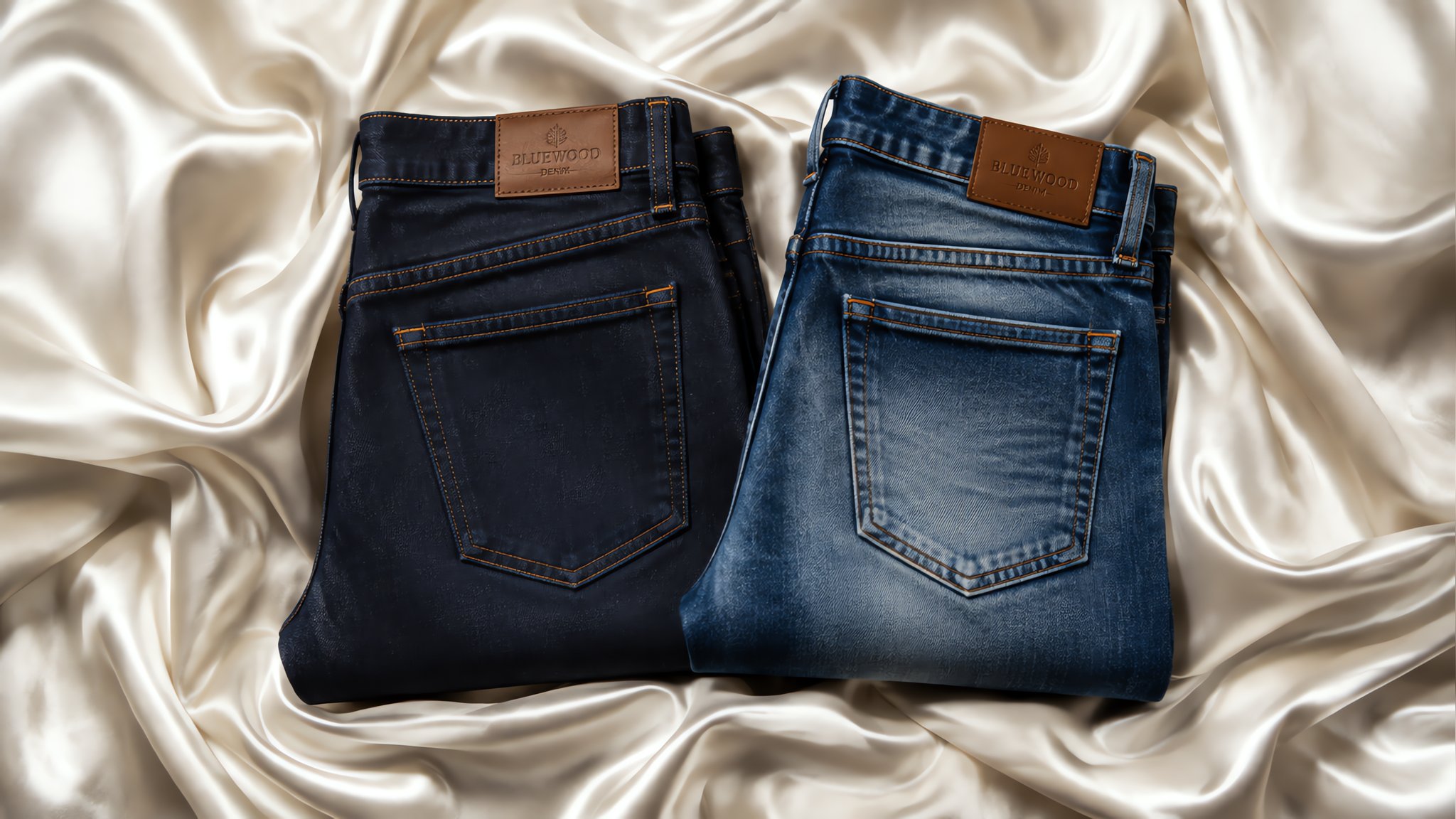
Denim is more than fabric—it’s a story that unfolds with every wear. The debate between raw and washed denim isn’t just about aesthetics; it’s about how you live in your jeans. Raw denim offers a blank canvas for personal fading, while washed denim arrives with character already built in. Understanding the differences helps you choose jeans that align with your lifestyle, values, and patience level. In this guide, you’ll learn the fundamentals of each type, how they fade differently, and practical tips for making the right choice—all while considering the environmental impact of denim finishing.
Whether you’re a denim purist or a casual wearer, the raw vs washed denim decision shapes your daily experience. We’ll break down the science of fading, the role of sustainable manufacturing, and how to avoid common pitfalls. By the end, you’ll know exactly which path leads to the fades you want.
Raw denim, also called dry denim, is fabric that has not been washed or treated after the indigo dyeing process. It feels stiff and dark, with a smooth, uniform surface. Because the indigo sits on the surface of the cotton yarns, raw denim fades dramatically with wear and washing, creating high-contrast patterns unique to the wearer’s body and habits. Raw denim allows users to achieve customized fading effects, while selvedge denim—often associated with raw—features a self-finished edge that signals artisanal quality.
Washed denim has undergone industrial or artisanal washing processes to soften the fabric, remove excess dye, and create a pre-worn look. Techniques range from simple stone washing to advanced laser and ozone treatments. These processes can simulate years of wear in hours, producing fades, whiskering, and distressing without the wait. However, traditional washing methods consume significant water and chemicals, which is why sustainable brands now use water recycling and laser finishing to reduce environmental impact. Washed denim is softer, more comfortable from day one, and offers a consistent appearance.
Denim’s fading behavior depends on how indigo dye bonds to cotton yarns. In both raw and washed denim, indigo sits on the yarn surface rather than penetrating fully, so abrasion removes dye over time. The weave—typically a twill—affects how the fabric wears. A complete guide to denim explains its cotton weave, indigo dyeing, and care tips. Raw denim’s tight weave and unwashed state make it more rigid, leading to sharper creases and higher-contrast fades. Washed denim’s fibers are already broken in, so further fading is less dramatic but more uniform.
Raw denim fades through a process of abrasion and dye loss. As you move, the fabric rubs against itself, your skin, and objects, gradually wearing away indigo at stress points. Thighs, knees, and seat areas lighten first, while creases behind the knees and at the hips form distinct lines called honeycombs and whiskers. Because the dye is untouched before your first wear, the contrast between faded and unfaded areas is high. This personalized fading is a major draw for denim enthusiasts, but it requires patience—often months of daily wear before significant fades appear.
The stiffness of raw denim also contributes to its fading pattern. Stiff fabric creases sharply, concentrating abrasion along fold lines. Over time, these creases become permanent, creating a three-dimensional map of your movements. Washing raw denim too early can remove too much dye uniformly, reducing contrast, so many purists delay the first wash for six months or more. However, this practice can lead to hygiene concerns and fabric breakdown if not managed carefully.
Washed denim starts with a base level of fading already applied. Industrial washes—whether stone, enzyme, acid, or laser—remove indigo evenly or in targeted patterns. The result is a softer, lighter fabric that continues to fade with wear, but the contrast is lower because the dye has already been partially removed. Further fading tends to be more uniform, blending with the pre-existing wash rather than creating stark lines. This makes washed denim easier to style for everyday wear, as it looks broken-in from day one.
Sustainable washed denim often uses laser and ozone technology to replicate vintage fades without water-intensive processes. Laser finishing can create precise wear patterns while drastically reducing water use, making it an eco-friendly alternative to traditional stone washing. For consumers who value both style and sustainability, washed denim produced with these methods offers a responsible choice. However, not all washed denim is created equal; some conventional washes still rely on heavy water and chemical use, so checking for certifications or brand transparency is wise.
Raw denim typically produces more dramatic, high-contrast fades that are unique to the wearer. The fades develop slowly and reflect your daily routines, creating a garment that tells your story. However, raw denim requires more care and patience, and the initial stiffness can be uncomfortable. Washed denim offers immediate comfort and a predictable look, but its fades are less personal and may not develop as much additional character. In terms of longevity, both can last for years if made from quality fabric; the difference lies in how they age visually.
From an environmental perspective, raw denim initially seems more sustainable because it skips the washing step. However, the repeated washing needed to keep raw denim clean over its lifetime can offset some of that benefit. Washed denim made with modern laser and ozone technology can achieve a worn look with far less water than traditional methods, making it a strong contender for eco-conscious buyers. For more on sustainable denim choices, explore what to look for in sustainable jeans.
Your choice between raw and washed denim should reflect your daily activities and personal values. If you work in a casual environment and enjoy the ritual of breaking in jeans, raw denim offers a rewarding project. If you prefer softness from day one and don’t want to worry about dye transfer, washed denim is more practical. Consider the climate: raw denim’s stiffness can be uncomfortable in hot weather, while lighter washed denim breathes better. Also think about your washing habits—raw denim requires less frequent washing but more careful handling when you do wash.
For those new to denim, a mid-weight washed pair might be the best starting point, allowing you to learn about fit and care without the commitment of raw. If you’re drawn to the idea of personalized fades, start with a less expensive raw pair to experiment. Regardless of your choice, look for brands that prioritize sustainable manufacturing, such as those using water recycling and laser finishing. You can also browse our jeans collection for eco-friendly options.
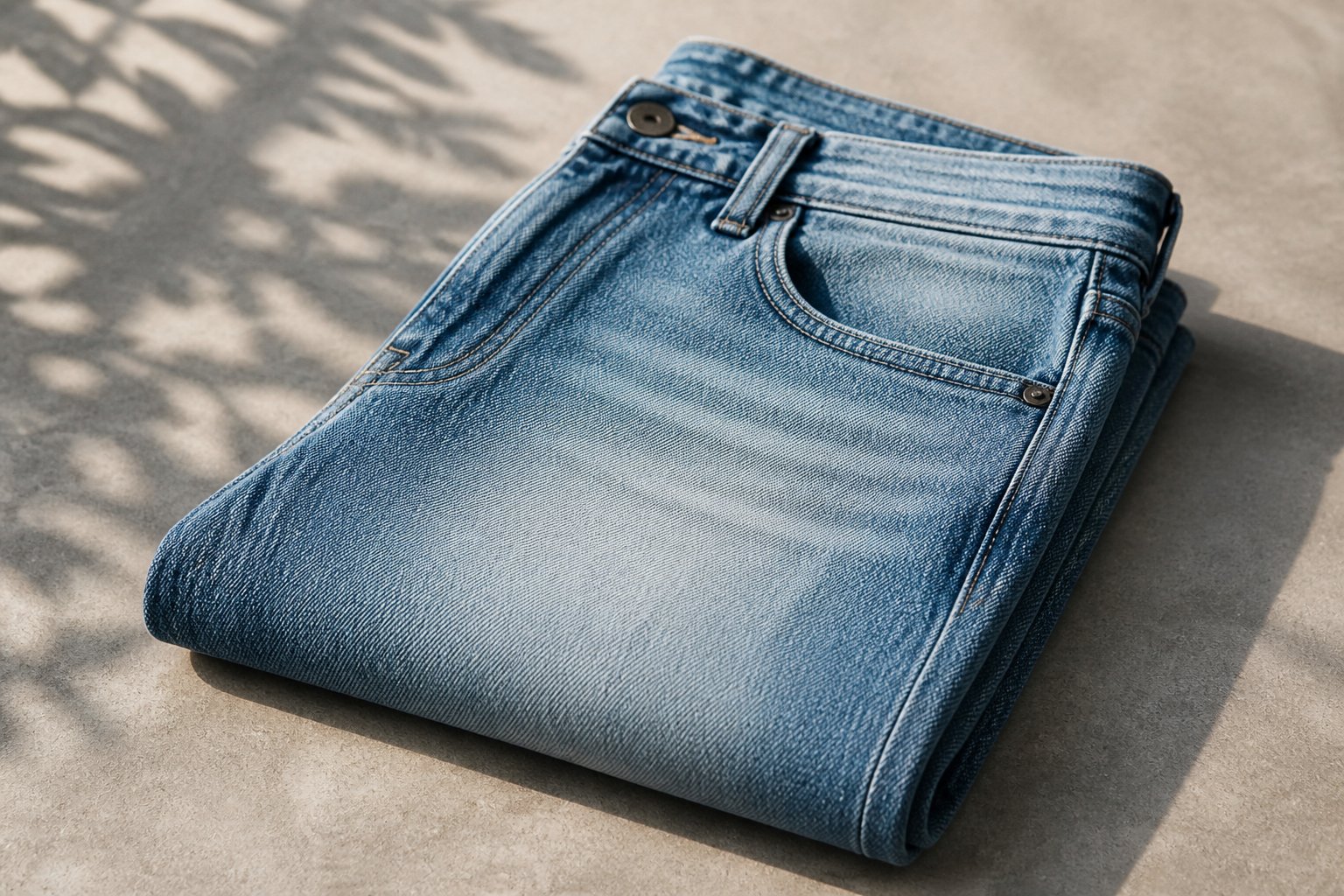
The raw vs washed denim debate ultimately comes down to personal preference and lifestyle. Raw denim rewards patience with unique, high-contrast fades that reflect your daily life, while washed denim offers immediate comfort and a consistent look. Both can be sustainable when produced responsibly—raw denim skips initial washing, and washed denim can use water-saving laser and ozone technology. By understanding how each type fades, you can make an informed choice that aligns with your values and style.
Remember that fading is a journey, not a destination. Whether you choose raw or washed, the key is to wear your jeans often and care for them properly. For more guidance on sustainable denim, explore our sustainable jeans buying guide or check out the latest new releases. Your perfect pair is waiting.
Raw denim fades more dramatically and with higher contrast because the indigo dye is untouched before your first wear. However, it takes months of regular wear to see significant fading. Washed denim already has some fading applied, so further changes are less noticeable and more uniform.
Raw denim skips the initial washing process, saving water and chemicals at the manufacturing stage. However, washed denim produced with modern laser and ozone technology can also be very sustainable, using far less water than traditional stone washing. The overall environmental impact depends on the specific production methods and how you care for the jeans over their lifetime.
Most denim enthusiasts recommend waiting at least 3-6 months before the first wash to allow creases to set and fades to develop. After that, wash as infrequently as possible—every few months or when visibly dirty—using cold water and mild detergent, then hang dry.
Yes, washed denim will continue to fade with wear, but the contrast is lower because the dye has already been partially removed. The fades will be more subtle and blend with the existing wash pattern rather than creating sharp, high-contrast lines like raw denim.
