



Denim enthusiasts often debate a fundamental question: does raw or washed denim produce better fades? The answer isn’t just about aesthetics—it touches on fabric character, personal style, and even sustainability. Whether you’re buying your first pair of premium jeans or looking to deepen your understanding of denim evolution, knowing how these two categories age will help you make a choice that aligns with your values and lifestyle.
In this guide, we’ll explore the science behind indigo dye loss, the role of initial washes, and how factors like wear frequency and care influence fading. You’ll also learn how modern eco-friendly production methods, such as laser and ozone technologies, are reshaping the washed denim landscape. By the end, you’ll have a clear framework for choosing jeans that fade beautifully—and responsibly.
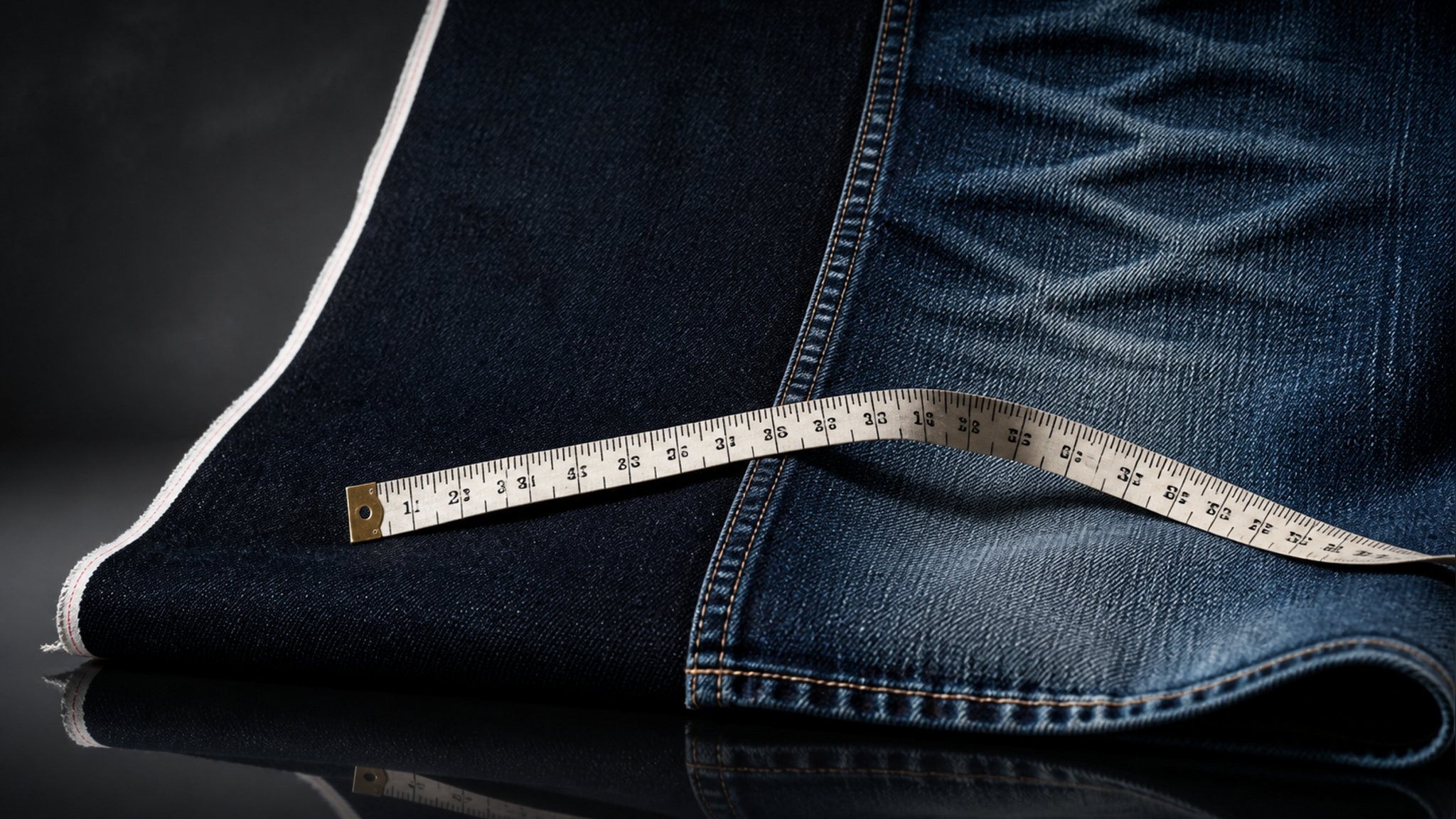
Raw denim, also called dry denim, is fabric that hasn’t been washed or treated after the indigo dyeing process. It’s stiff, dark, and often slightly shiny due to starch applied during weaving. Because the indigo sits on the surface of the cotton yarns, raw denim has the highest potential for creating sharp, high-contrast fades as the dye wears away in areas of friction—such as the thighs, knees, and back pockets. According to AP News reporting on sustainable denim, the raw state preserves the full depth of indigo, making every crease and whisker a personal record of the wearer’s movements.
Washed denim has undergone industrial or artisanal processes to remove some indigo, soften the fabric, and create a pre-worn appearance. Traditional methods like stone washing or acid washing use water, pumice stones, and chemicals to achieve faded effects. However, these techniques are resource-intensive. The denim industry has historically consumed vast amounts of water—up to 1,800 gallons per pair by some estimates—but new technologies are changing that narrative. As detailed by WWD’s Sourcing Journal, mills now prioritize fiber selection and cleaner finishing methods to reduce environmental impact.
At SIFIRbir, we champion washed denim that doesn’t sacrifice the planet. Our jeans are finished with laser and ozone garment-wash technology, which can cut water usage by up to 90% compared to conventional methods. Laser fading precisely replicates whiskers and distress marks without pumice or harsh chemicals, while ozone washing bleaches and softens denim using oxygen molecules instead of water. This means you can enjoy the look and comfort of washed denim with a fraction of the ecological footprint. Explore our Jeans collection to see these innovations in action.
Indigo is a large molecule that bonds loosely to cotton fibers, making it prone to gradual abrasion. In raw denim, this abrasion creates a stark contrast between the dark, undisturbed areas and the pale, worn zones. The result is a pair of jeans that tells a story—every fade line corresponds to a habit, a phone in the pocket, or a bicycle commute. Washed denim, by contrast, starts with a uniform reduction in indigo. Further wear will still produce fades, but the contrast is usually softer and more blended because the base color is already lighter.
If you crave dramatic, high-contrast “sick fadez,” raw denim is the traditional choice. The stiffness of the fabric helps set sharp creases at the honeycombs (behind the knees) and whiskers (the upper thigh). These patterns become permanent as the indigo cracks and falls away. Washed denim, especially when treated with laser technology, can offer a curated fade pattern from day one. However, subsequent wear will still add a layer of personalization, albeit more subtle. For those who prefer a broken-in feel without the months of stiff discomfort, our New Releases feature jeans that balance pre-washed softness with fade potential.
A common myth is that washing weakens denim. While excessive industrial washing can stress fibers, modern eco-friendly washes are designed to preserve fabric integrity. Raw denim, if left unwashed for extended periods, can accumulate dirt and oils that actually accelerate fiber degradation. The key to longevity is proper care—regardless of the starting state. We cover this in depth in our Eco-Friendly Denim Laundry Care & Longevity Guide. In terms of fade development, both raw and washed jeans will continue to evolve with wear and occasional washing. The difference lies in the canvas you begin with.
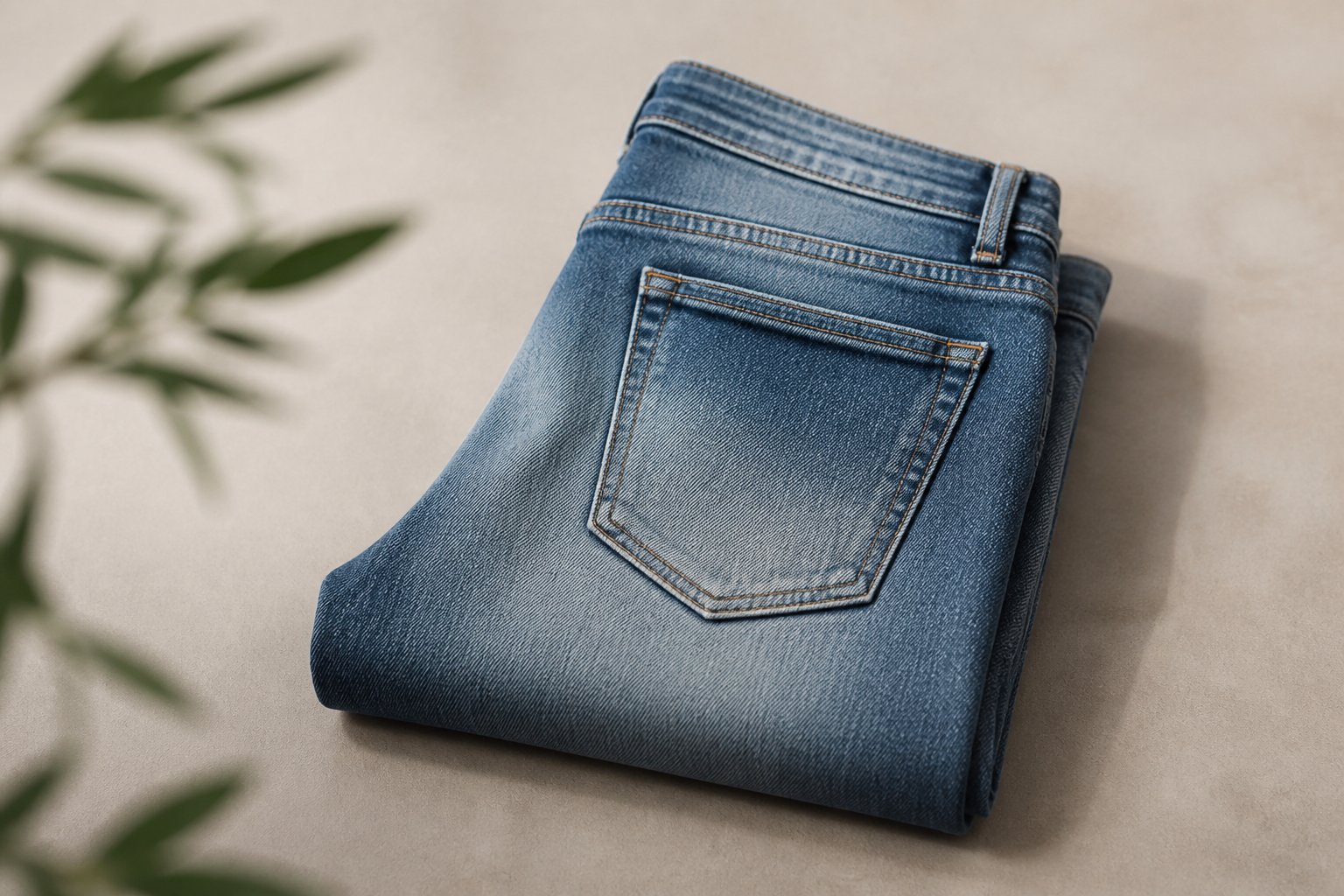
Both raw and washed denim offer unique fading journeys. Raw denim rewards patience with high-contrast, deeply personal wear patterns, while washed denim provides immediate comfort and a head start on a lived-in look. The “better” choice depends on your aesthetic goals and willingness to commit to the break-in process.
Importantly, sustainability no longer requires choosing raw denim by default. With innovations like laser and ozone washes, you can enjoy pre-faded jeans that align with eco-conscious values. At SIFIRbir, we prove that style and responsibility can coexist. Explore our Eco-Friendly Jeans Buying Guide to see how technology is transforming denim.
Ultimately, the best fades are the ones you create through authentic wear. Whether you start with raw or washed, treat your jeans with care, wear them with intention, and let time do the rest.
Raw denim doesn’t necessarily fade faster, but it fades with higher contrast because the indigo is concentrated on the surface. Washed denim starts with some indigo already removed, so further fading is more gradual and uniform. The speed of fading depends more on wear frequency and friction than the initial state.
Yes, absolutely. While washed denim begins with a factory-applied fade pattern, it will continue to lose indigo in high-friction areas over time. The resulting fades will be softer and blend with the existing wash, but they will still reflect your body and habits, creating a personalized look.
Not necessarily. Raw denim skips the water-intensive washing stage, which seems eco-friendly, but modern technologies like laser and ozone washing can drastically reduce water and chemical use. At SIFIRbir, our washed jeans use up to 90% less water, making them a responsible choice without sacrificing comfort or style.
For raw denim, wait at least 30–60 wears before the first wash to set high-contrast creases. For washed denim, you can wash after every 5–10 wears, depending on activity. Always use cold water, mild detergent, and air dry to preserve indigo and shape.
