



Denim is a wardrobe staple, but conventional jeans production is notoriously water-intensive. Traditional stone-washing and chemical treatments can consume thousands of gallons of water per pair. However, a revolution is underway. Laser technology, combined with ozone washing, is slashing water usage dramatically. In this article, we explain how laser tech makes denim greener by focusing on water savings, why it matters, and how you can identify truly sustainable jeans. Whether you’re an eco-conscious shopper or just curious about green fashion, understanding this innovation will help you make informed choices.
Denim’s environmental footprint starts with cotton farming and extends through dyeing, finishing, and washing. According to AP News, the fashion industry has long struggled to reduce the massive water consumption tied to denim. Traditional garment-washing techniques, such as stone-washing or acid-washing, use large amounts of water to create faded or distressed looks. The water then becomes polluted with chemicals, dyes, and microfibers, requiring expensive treatment. This process not only wastes a precious resource but also harms local ecosystems.
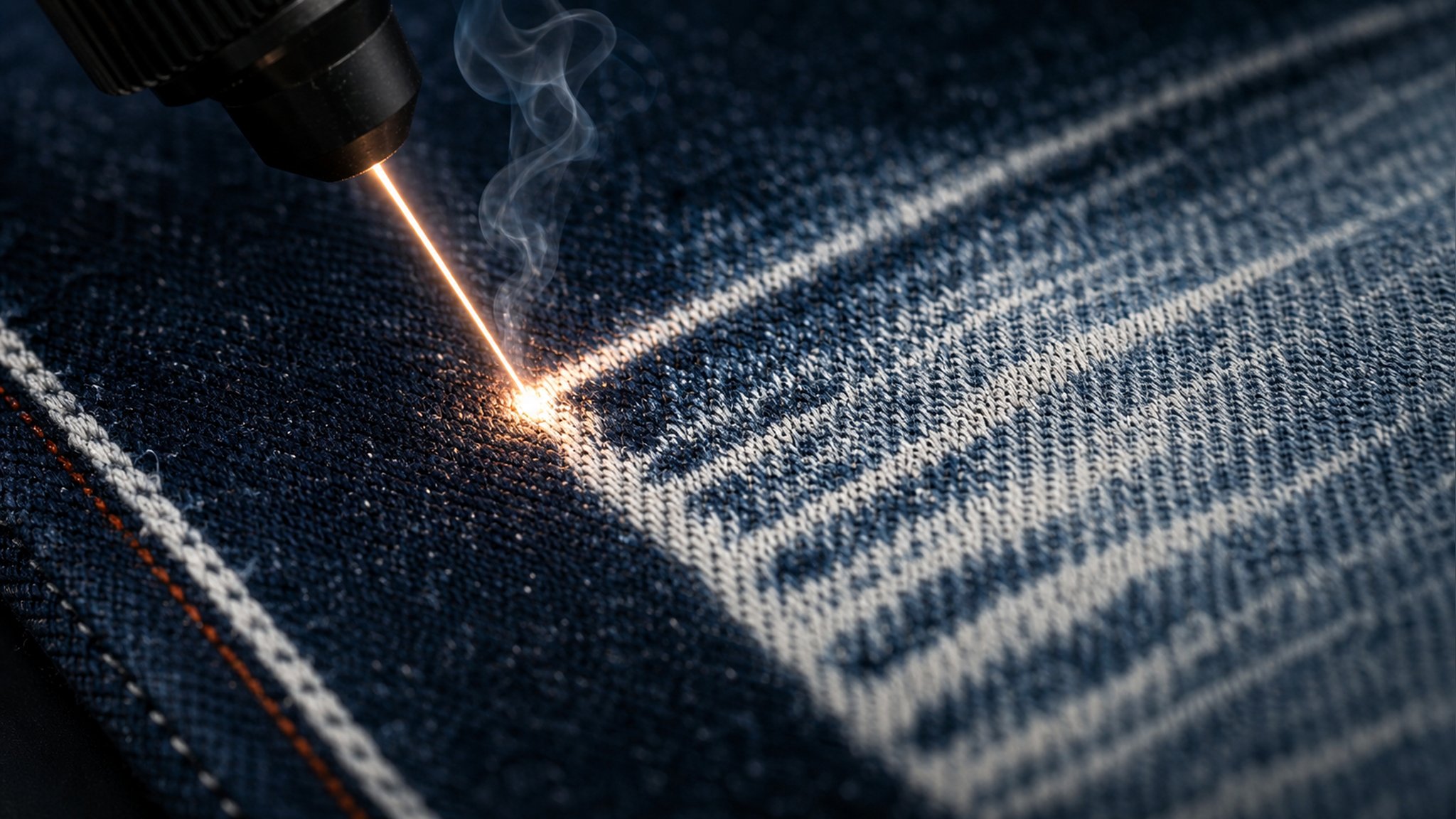
Laser technology offers a dry, precise method to create patterns, fades, and whiskers directly on denim fabric. A computer-controlled laser beam removes indigo dye from the surface, replicating the look of years of wear without any water. Ozone washing, often used in tandem, uses ozone gas to bleach and soften denim in a closed-loop system that recaptures and reuses ozone. Together, these technologies can eliminate or drastically reduce the need for wet processes. Harper’s Bazaar explains that sustainable denim brands are adopting these methods to cut water and chemical use while still delivering on style.
Laser engraving is not new – it’s used in manufacturing, printing, and even medical devices. Its application in denim finishing is a breakthrough. Instead of submerging jeans in water baths with pumice stones or enzymes, lasers zap the fabric with high-energy light that vaporizes the indigo dye. The result is a permanent, precise pattern that can be replicated consistently across thousands of pairs. This method uses zero water in the finishing stage and reduces energy consumption because no drying or wastewater treatment is needed.
Brands like SIFIRbir that integrate laser and ozone wash technology can produce jeans with up to 90% lower water usage compared to conventional methods. While exact numbers vary, the reduction is dramatic. The technology also eliminates the need for harsh chemicals like potassium permanganate or chlorine bleach, which are common in traditional wash processes. This makes laser-washed jeans safer for workers and the environment.
To understand the scale, consider that a conventional pair of jeans can require around 1,500 gallons of water across its lifecycle – from cotton irrigation to final wash. The washing and finishing steps alone can account for hundreds of gallons. With laser technology, the finishing uses virtually zero water. Even when combined with ozone washing (which uses a small amount of water for the closed-loop system), total water use drops dramatically. The Zoe Report notes that industry experts view laser and ozone as the most promising path to making denim sustainable without sacrificing aesthetics.
Additionally, laser technology allows for faster production cycles and less waste due to rejections. The precision means fewer defective pieces, and the dry process eliminates the need to treat thousands of gallons of wastewater. The water saved can be redirected to communities or natural ecosystems, a critical benefit in water-stressed regions where denim factories are often located.
The benefits extend beyond water. Laser finishing uses electricity, but the overall energy footprint is lower because there’s no need to heat large water baths or run drying machines for wet jeans. Ozone washing, when properly contained, reduces the need for detergents and softeners. This trifecta – water, energy, and chemical reduction – makes laser and ozone technologies a cornerstone of green denim production. For shoppers, seeking out jeans made with these methods is one of the most effective ways to lower your fashion footprint.
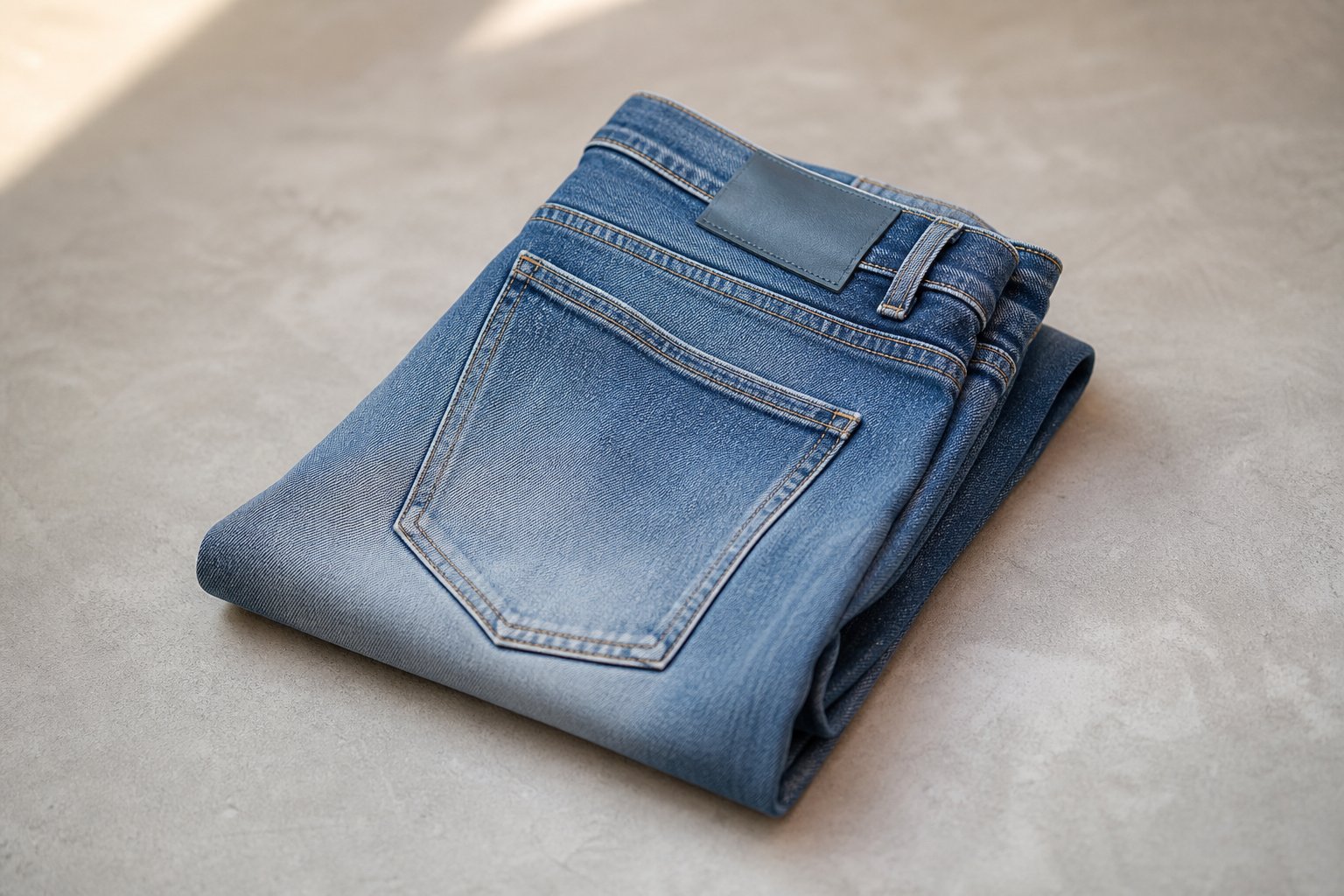
Laser technology is a game-changer for sustainable denim, offering a water-saving alternative that doesn’t compromise on style. By replacing water-intensive stone-washing with precise dry finishing, it cuts water use dramatically and eliminates harmful chemicals. For consumers, the key is to look for transparent brands that disclose their finishing processes. SIFIRbir integrates laser and ozone wash into our denim line, ensuring every pair you buy has a far smaller water footprint than conventional jeans.
Remember, sustainability is a journey. Start by choosing laser-finished jeans, then extend their life through mindful care. To learn more about how laser and ozone work together, read our in-depth article How Laser and Ozone Wash Slash Denim Water Use. For tips on avoiding greenwashing, check How to Avoid Greenwashing When Buying Eco Jeans.
Laser finishing uses virtually no water in the design and distressing phase. Combined with ozone washing, total water use can be reduced by up to 90% compared to conventional stone-washing or chemical treatments. Exact figures vary by brand and process, but the reduction is substantial.
No. Laser removes only the surface indigo dye, leaving the fabric structure intact. The jeans feel the same as traditionally washed jeans and are just as durable. In fact, because laser is precise, it avoids the abrasion that can weaken fibers in stone-washing.
Not always – laser finishes can replicate many traditional looks, including fades, whiskers, and whiskers. However, laser patterns are often more consistent and symmetrical. To be sure, check the product description or ask the brand. Reputable eco-denim brands will proudly mention laser or ozone technology.
Yes. Laser technology eliminates the need for harsh chemicals like potassium permanganate and reduces water pollution. Ozone washing is done in closed-loop systems that prevent gas escape. Both processes improve worker safety by removing exposure to toxic chemicals and reducing manual handling of heavy wet jeans.
