



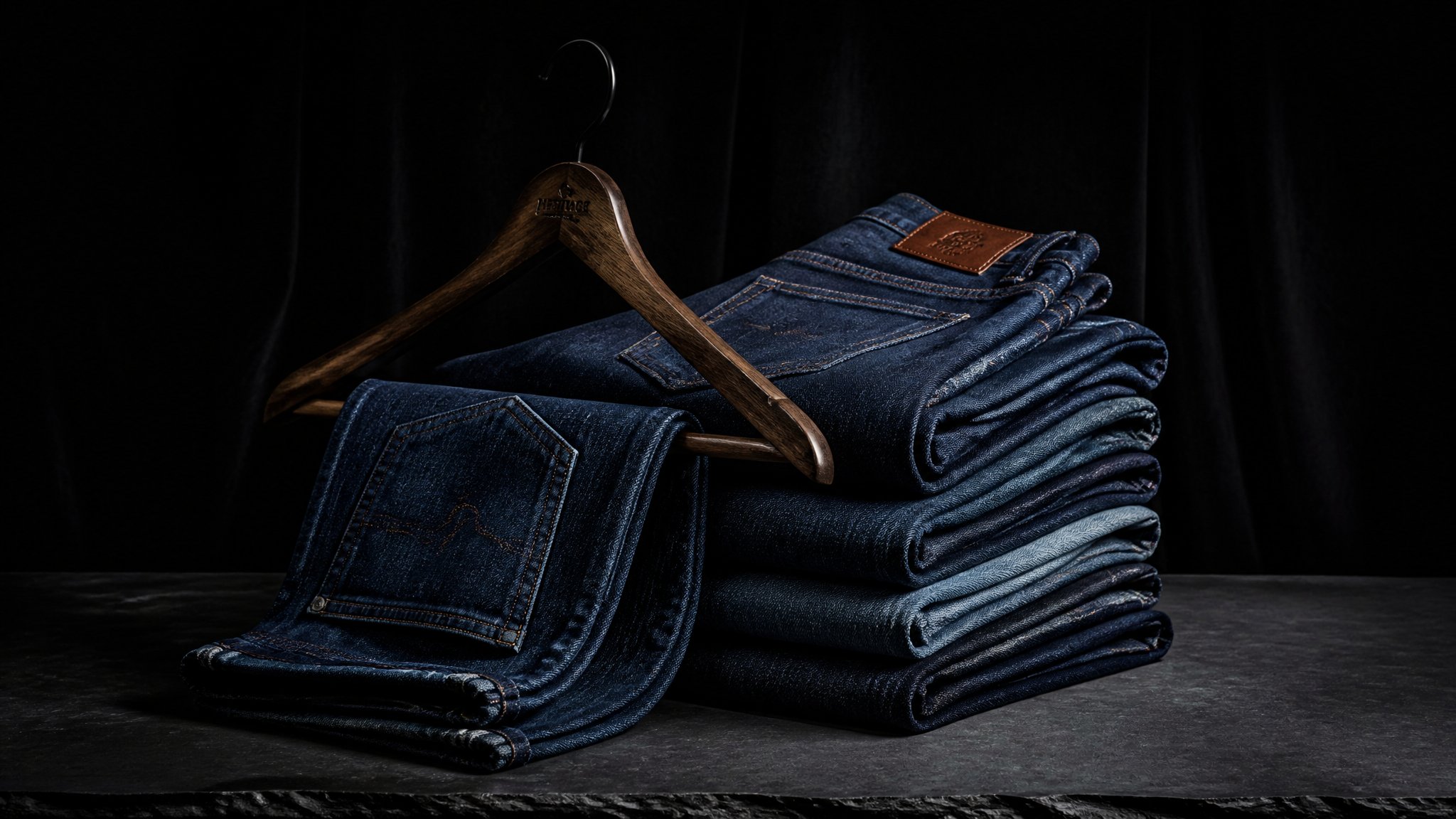
Jeans are the backbone of nearly every wardrobe—durable, versatile, and effortlessly stylish. But how you care for them determines whether they fade gracefully over years or end up limp, misshapen, and worn out after a single season. Many people unknowingly wash their denim too often, use harsh detergents, or toss jeans into a hot dryer, all of which accelerate fabric breakdown and waste resources. With growing awareness of denim’s environmental footprint, learning how to care for jeans properly is both a money-saving skill and a sustainability practice. In this guide, you’ll learn the fundamentals of denim care, step-by-step washing and drying techniques, simple repairs, and common mistakes to avoid—so your favorite pair can last for years while reducing water and energy use.
Whether you own raw selvedge denim or sustainable jeans produced with laser and ozone technology, the principles are similar: wash less, wash cold, air dry, and repair early. We’ll also point you to related resources on choosing eco-friendly denim and understanding the water-saving innovations behind modern jeans, so you can make informed decisions from purchase to disposal.
Denim is typically made from cotton twill, a sturdy weave that resists abrasion but is susceptible to shrinkage, color loss, and fiber stress when exposed to heat and agitation. Unlike delicate fabrics that require frequent laundering to remove odors, denim actually benefits from less washing. The indigo dye used in most jeans sits on the surface of the yarn, and every wash cycle strips away a bit of color—especially in high-friction areas like knees and thighs. According to Levi’s denim care guidance, proper washing and drying techniques can significantly extend the life of jeans and preserve their color. This means treating jeans as a garment that needs spot cleaning and airing more than machine washing.
Caring for jeans isn’t just about preserving the fabric—it’s also about reducing your environmental footprint. Washing and drying clothes accounts for a significant portion of a garment’s total energy and water use over its lifetime. P&G’s denim care guide notes that washing denim in cold water on a gentle cycle can reduce energy use for that load by up to 90% compared to hot water washes. By adopting low-impact care habits, you not only extend the life of your jeans but also cut down on the electricity, water, and detergent associated with laundry. This aligns perfectly with the philosophy behind sustainable denim production, such as the laser and ozone washing techniques that dramatically reduce water and chemical use—learn more about those innovations in our article on how laser and ozone denim washing saves water and chemicals.
The golden rule of denim care is: wash less. Most experts recommend washing jeans after every 5 to 10 wears, or even less frequently if they don’t smell or have visible stains. This isn’t just about preserving color; it’s about preventing unnecessary fiber breakdown. Instead of a full wash, air out your jeans between wears by hanging them in a well-ventilated area, and spot clean small stains with a damp cloth and mild soap. If you’ve been sweating heavily or the jeans have accumulated odor, a wash is warranted. For raw denim enthusiasts, some go months without washing to achieve high-contrast fades, but for most people, a balance of hygiene and preservation works best.
When it’s time to wash, follow these steps to minimize damage and maximize longevity:
Whirlpool’s denim care tips confirm that washing jeans inside out and by themselves on a gentle cycle is one of the best ways to preserve their look and fit. If hand washing, soak jeans in cold water with a small amount of detergent, gently agitate, and rinse thoroughly without wringing.
The dryer is the enemy of denim longevity. High heat causes cotton fibers to shrink, weakens seams, and accelerates fading. The safest method is to air dry: hang jeans by the waistband or lay them flat on a drying rack, away from direct sunlight to prevent uneven fading. If you must use a dryer, choose the lowest heat setting or an air-only cycle, and remove jeans while slightly damp to finish drying on a hanger. Avoid hanging jeans by the legs, which can stretch the fabric; instead, fold them over a hanger or use clips at the waistband. Also avoid drying in humid areas, as lingering moisture can lead to musty odors—Levi’s guide specifically warns against this.
Small damage doesn’t mean the end of your jeans. Learning basic repairs can add years to their life and keep them out of landfills. Common fixes include:
If you’re not confident in DIY repairs, many tailors specialize in denim and can invisibly mend rips or reinforce weak spots. Timely repairs prevent small issues from becoming irreparable damage, which is both economical and eco-friendly.
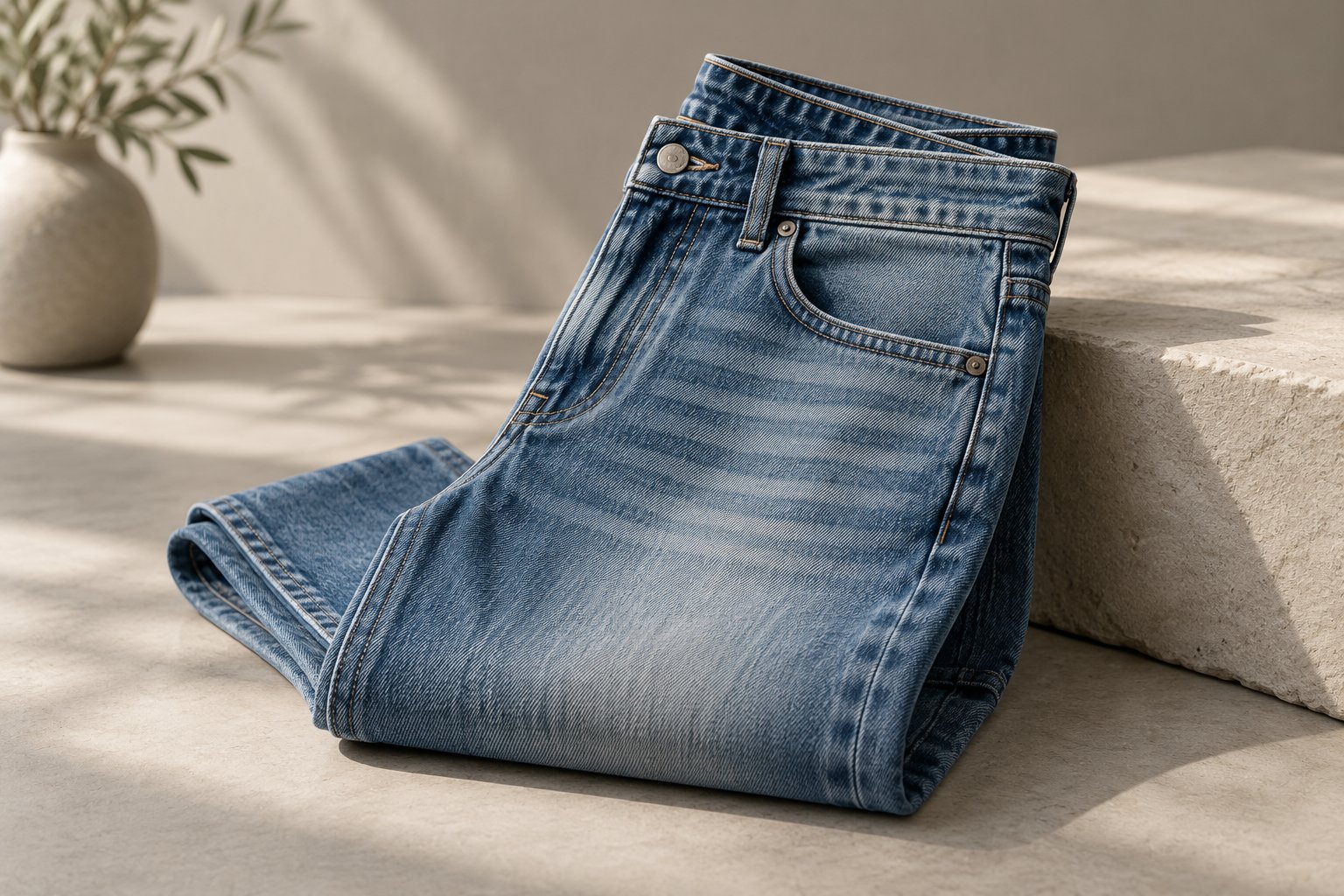
Learning how to care for jeans is a simple yet powerful way to save money, preserve your favorite styles, and reduce your environmental impact. By washing less frequently, using cold water and gentle cycles, air drying, and repairing damage promptly, you can extend the life of your denim by years. These habits also complement the sustainable production methods behind eco-friendly jeans, such as laser and ozone washing that already save massive amounts of water. For more guidance on choosing sustainable denim, explore our eco-friendly jeans buying guide or check out our full jeans collection crafted with low-impact techniques. Remember: a little care goes a long way—for your wardrobe and the planet.
Most experts recommend washing jeans every 5 to 10 wears, or only when they are visibly dirty or have an odor. Air them out between wears and spot clean small stains to extend time between washes.
It’s best to air dry jeans to prevent shrinkage and fading. If you must use a dryer, choose the lowest heat setting or air-only cycle, and remove jeans while slightly damp to finish drying on a hanger.
Turn jeans inside out before washing, use cold water and a gentle cycle, and avoid harsh detergents. Air drying instead of machine drying also helps preserve the indigo dye. Adding a cup of white vinegar to the rinse cycle can help set the color.
For small holes, use an iron-on denim patch or hand-sew a fabric scrap over the area. For tears along seams, darning with matching thread works well. If the damage is extensive, consider taking jeans to a tailor who specializes in denim repair.
