



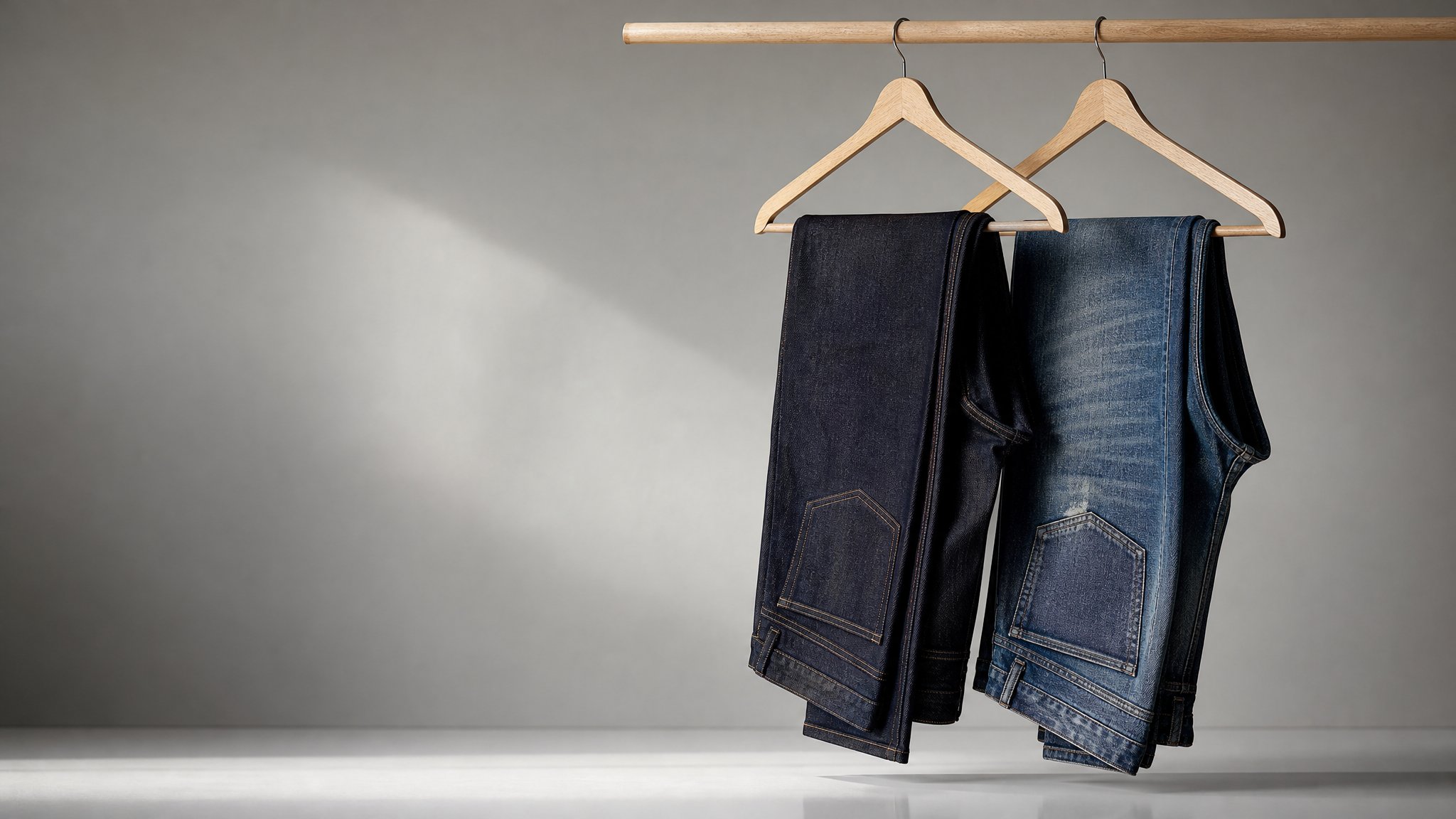
Jeans are the workhorse of the modern wardrobe—durable, versatile, and endlessly wearable. Yet one question sparks more debate than almost any other in denim care: how often should you wash them? Some people toss their jeans in the laundry after every wear, while others proudly go months without a wash. The truth lies somewhere in between, and it depends on your lifestyle, the type of denim, and your environmental values. In this guide, we’ll break down the science and the expert consensus, so you can keep your jeans looking sharp, feeling fresh, and lasting for years—all while cutting water and energy use.
Whether you’re breaking in a new pair of sustainable jeans or reviving an old favorite, understanding the right wash frequency is key. We’ll cover the basics of denim care, the factors that influence wash timing, practical tips for cleaning without damage, and common mistakes to avoid. By the end, you’ll have a clear, evidence-based answer to the age-old question.
Unlike underwear or gym clothes, denim is a sturdy, tightly woven cotton fabric that resists odor and stains. Most everyday dirt and sweat sit on the surface and can be removed by airing or spot cleaning. Over-washing breaks down the cotton fibers, causing jeans to lose their shape, fade prematurely, and even develop holes. According to Levi’s definitive denim care guide, washing jeans less often is one of the best ways to preserve their color and structure. The general rule: if they don’t smell and aren’t visibly dirty, they don’t need a wash.
Every laundry cycle uses water and energy, and the detergent can release microfibers and chemicals into waterways. P&G’s denim care research notes that washing denim in cold water on a gentle cycle can reduce energy use for that load by up to 90% compared to hot water washing. By washing less frequently, you multiply those savings. For eco-conscious consumers, cutting wash frequency is one of the simplest ways to reduce your denim’s environmental footprint—especially when paired with jeans made using water-saving production methods like laser and ozone technology.
Not all denim is created equal. Raw or dry denim—unwashed and untreated—develops unique fades and creases over time, and many purists recommend waiting six months or more before the first wash. Pre-washed or distressed jeans are more forgiving and can be washed a bit more often, but still far less than daily wear. Stretch denim, which contains elastane, may lose its shape faster if washed too frequently. Understanding your denim type helps you tailor your wash schedule.
The consensus among denim experts is simple: wash your jeans every 5 to 10 wears, or roughly once every two to four weeks for regular use. This range balances hygiene with fabric preservation. If you wear your jeans for a few hours at a desk, you can stretch that to 10+ wears. If you wear them for physical work or in hot, sweaty conditions, you might need to wash after 2-3 wears. The key is to assess each pair individually rather than following a rigid schedule.
For most people, the sniff test and a visual check are reliable indicators. If the fabric smells musty or has visible stains, it’s time. If not, hang them up to air out and wear them again. Eileen Fisher’s sustainable denim care guide reinforces this approach, emphasizing less water and energy for a longer-lasting wardrobe.
Your lifestyle plays a huge role. If you commute on a crowded train, work outdoors, or chase toddlers, your jeans will collect more sweat and grime. In those cases, you might wash every 3-5 wears. If you work from home or wear jeans only for casual outings, you can easily go 10-15 wears between washes. Climate matters too—humid environments can encourage odor-causing bacteria, while dry climates keep jeans fresher longer.
The fit and fabric also matter. Tight-fitting skinny jeans trap more sweat against the skin, so they may need more frequent washing than relaxed or wide-leg styles. Similarly, light-colored jeans show dirt more easily, though that doesn’t necessarily mean they need a full wash—spot cleaning often suffices. If you’re choosing a new pair, consider the fit advice in our guide to choosing the right jeans for your body type.
When it’s finally time to wash, do it right. Turn jeans inside out to protect the outer surface and reduce fading. Use cold water and a gentle cycle—hot water and aggressive agitation break down fibers and cause shrinkage. Choose a mild, eco-friendly detergent, and avoid fabric softeners, which can coat the fibers and reduce breathability. Pilgrim Dry Cleaners’ denim care guide recommends cold water and air drying to maintain fit and color.
Air drying is non-negotiable for denim longevity. The heat of a dryer is one of the fastest ways to shrink jeans, fade the indigo, and weaken the fabric. Hang them by the waistband or lay them flat, away from direct sunlight. If you must use a dryer, use the lowest heat setting and remove them while still slightly damp. For more detailed washing and drying techniques, see our full jeans care guide.
So, how often should you wash jeans? For most people, every 5 to 10 wears is the sweet spot—enough to keep them clean and fresh without sacrificing their lifespan. Listen to your jeans: if they smell or show dirt, wash them; if not, let them air out and wear them again. This simple habit saves water, energy, and money, and it keeps your denim looking better for longer.
Remember that sustainable denim care starts with sustainable denim. Choosing jeans made with water-saving technologies like laser and ozone washing reduces the environmental impact from the very beginning. To learn more about these innovations, read our explainer on how laser and ozone wash cut denim water use by 90%. And if you’re ready to shop, check out our eco-friendly jeans buying guide for tips on finding the perfect pair. With a little care and the right choices, your jeans can be both stylish and sustainable for years to come.
You can, but it’s not recommended. Washing after every wear accelerates fading, shrinkage, and fiber breakdown. Unless your jeans are visibly dirty or smelly, air them out and wear them again.
Use your senses. If they smell musty or have visible stains, it’s time. Otherwise, hang them in a ventilated area overnight and they’ll likely be ready to wear again.
Freezing can help reduce mild odors by killing some odor-causing bacteria, but it does not remove dirt or oils. It’s best used as a temporary refresh between washes, not a replacement for cleaning.
Air drying is best. Hang them by the waistband or lay flat, away from direct heat and sunlight. Avoid tumble drying, which can shrink and damage the fabric.
