



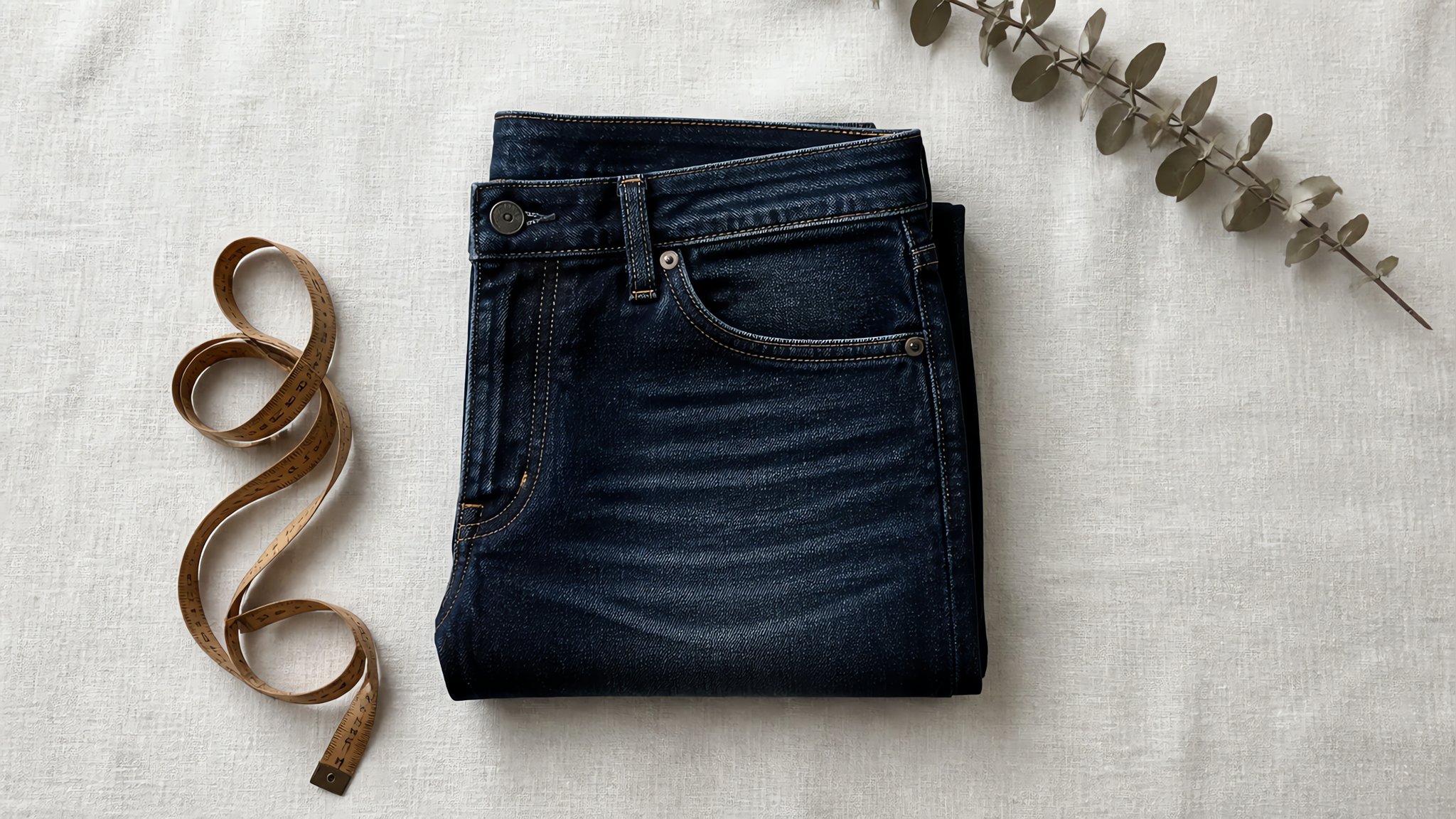
Denim is one of the most loved and durable fabrics in the world, but its production has long carried a heavy environmental cost. Conventional denim manufacturing relies on massive water consumption, harsh chemical treatments, and energy-intensive processes that leave harmful residues on fabric and in ecosystems. For conscious shoppers, choosing eco-friendly denim is no longer a niche preference—it’s a responsible standard. At SIFIRbir, we believe you shouldn’t have to compromise between style, quality, and planetary care. Our New Releases collection showcases denim produced with water-saving laser and ozone garment-wash technology, proving that premium jeans can be made responsibly.
This guide is designed for buyers who want to make informed decisions. We’ll walk you through the key quality factors that separate greenwashed products from genuinely sustainable denim, explain how our low-impact washing methods work, and help you find the right fit and style. Whether you’re new to eco-conscious fashion or a seasoned denim enthusiast, you’ll finish with a clear framework for selecting jeans that align with your values—and your wardrobe.
The foundation of any great pair of jeans is the fabric. True eco-friendly denim starts with responsibly sourced fibers—often organic cotton, recycled cotton, or innovative blends that reduce virgin resource use. According to comprehensive sustainable denim guides from industry experts, checking the fiber content is the first step in verifying a product’s eco-credentials. Avoid denim that relies heavily on synthetic fibers derived from fossil fuels unless they are certified recycled. At SIFIRbir, our denim is engineered to maintain the authentic texture and durability of premium cotton while integrating eco-conscious material choices that meet strict production standards.
Traditional denim finishing involves stone washing, sandblasting, and chemical baths that can consume up to 100 liters of water per pair and release toxic effluents. Our SIFIRbir process replaces these outdated methods with laser and ozone garment-wash technology. Laser finishing precisely creates whiskering and fading patterns without water or chemicals, while ozone washing sanitizes and softens fabric using activated oxygen—a process that uses a fraction of the water and no harsh bleaches. This approach not only conserves resources but also preserves color fastness and fabric integrity, so your jeans look better for longer. For more on how to identify low-impact washes, reputable fashion sustainability journals recommend looking for brands that explicitly state their water-saving techniques.
Eco-friendly denim must also be long-lasting—the most sustainable garment is one you don’t have to replace. Quality construction details include reinforced stitching, sturdy hardware, and precise tailoring that maintains shape over time. Our denim pieces undergo rigorous quality control to ensure they withstand daily wear without losing their fit or finish. When you invest in a pair from our New Releases, you’re choosing a product designed for years of use, not a season.
The SIFIRbir New Releases collection offers a range of denim styles that cater to different aesthetics while sharing the same eco-friendly production backbone. The TheBelief Black Jeans deliver a modern minimalist look with deep, saturated color achieved through low-water dyeing techniques. For those who appreciate earthy, natural tones, the TheBelief Walnut Dyed Jeans use walnut-based dyes—a plant-derived alternative to synthetic indigo that reduces chemical load.
Collaborative styles add unique character. The SELFNESS x SIFIRbir Coffee Touched Jeans showcase an innovative nü-kitchen process that repurposes coffee byproducts for a distinctive hue and soft hand feel. The SELFNESS x SIFIRbir Exclusive Limited Edition Jeans offer a refined, tailored silhouette for those who want a statement piece with limited availability. And the SELFNESS x SIFIRbir Walnut Touched Jeans blend walnut dyeing with contemporary cuts. Each style is produced in limited runs, ensuring exclusivity and reducing overproduction waste.
Beyond denim, the collection includes complementary accessories. The WWII German Military-Inspired Vintage Canvas Bag is a rugged, utilitarian piece crafted from heavy-duty canvas and genuine leather—a perfect companion for eco-conscious carry. The Flat Top Retro Cap, handcrafted in Türkiye, offers a crisp silhouette in four colorways to complete your look.
Finding the right fit is crucial for both comfort and longevity. Ill-fitting jeans are more likely to be discarded, contributing to textile waste. Start by measuring your natural waist and inseam accurately, then compare against the brand’s size chart if available. Since our denim is tailored with precise shaping, we recommend paying close attention to the rise (the distance from crotch to waistband) and the leg opening, as these dramatically affect how the jeans sit on your body.
Consider your body type and style preference. A straight or slim cut offers versatility and works well for most builds, while a tapered leg can create a more modern silhouette. If you prefer a relaxed feel, look for styles with a bit more room in the thigh and seat. Remember that eco-friendly denim with low-water washes may have slightly less initial stretch than heavily processed conventional denim, so choose a fit that feels comfortable from day one rather than relying on excessive break-in. When in doubt, consult the product details for each style—our descriptions provide qualitative guidance on silhouette and wearability.
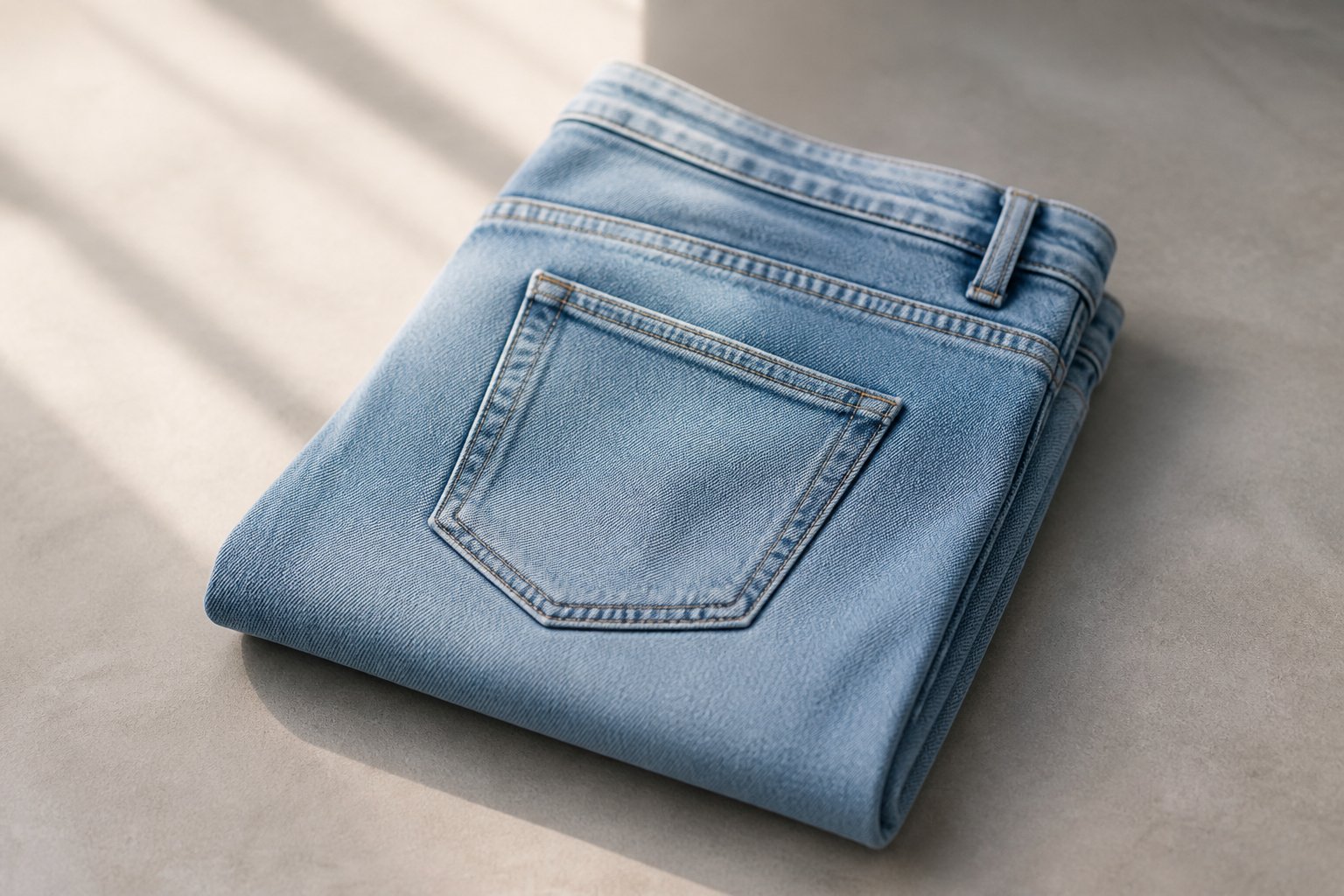
Eco-friendly denim often carries a higher upfront cost than fast-fashion alternatives, but the value proposition is far superior. The price of our jeans reflects the investment in sustainable materials, advanced laser and ozone technology, and ethical production practices. In this collection, denim pieces are priced at a mid-range level that balances accessibility with premium quality, while the vintage canvas bag represents a more substantial investment due to its heavy-duty construction and leather detailing. The retro cap is an entry-level accessory that lets you support sustainable fashion without a large outlay.
When evaluating value, think beyond the price tag. A pair of jeans that lasts five years costs less per wear than a cheap pair that fades, stretches, or tears within months. Additionally, the environmental savings—measured in water conserved and chemicals avoided—add intangible but critical value. According to ethical fashion publications that review sustainable denim brands, consumers should prioritize cost-per-wear and production ethics over initial price alone. Our denim is designed to be a long-term wardrobe staple, not a disposable trend.
Here are our top recommendations from the New Releases collection, each chosen for its unique blend of style, sustainability, and quality.
TheBelief Black Jeans — Ideal for the minimalist who wants a versatile, all-purpose black jean. The low-water dyeing process ensures deep, long-lasting color, and the tailored fit works for both casual and smart-casual settings.
TheBelief Walnut Dyed Jeans — Perfect for those who appreciate natural, earthy aesthetics. The walnut-based dye is a standout example of plant-derived colorants, reducing chemical use while delivering a unique, warm tone.
SELFNESS x SIFIRbir Exclusive Limited Edition Jeans — Best for denim enthusiasts who want a rare, collectible piece. The limited-run production ensures exclusivity, and the refined silhouette offers a polished, modern look.
SELFNESS x SIFIRbir Coffee Touched Jeans — Suited for the eco-innovator who loves a story behind their clothes. The coffee byproduct dyeing process is both sustainable and conversation-worthy.
WWII German Military-Inspired Vintage Canvas Bag — A rugged accessory for anyone who values utilitarian design and heavy-duty materials. It’s a substantial piece that pairs perfectly with denim.
For a complete look, add the Flat Top Retro Cap—a handcrafted cap that complements any of the above styles.
Choosing eco-friendly denim is about more than just buying a pair of jeans—it’s a commitment to reducing your fashion footprint without sacrificing quality or style. Start by understanding the fabric and wash technology, then focus on fit and durability. Avoid common pitfalls like greenwashing and overwashing, and remember that true value comes from longevity and ethical production.
Explore the full New Releases collection to see how SIFIRbir is redefining sustainable denim. With laser and ozone washing, plant-based dyes, and limited-run production, each piece is a step toward a more responsible wardrobe. Your choices matter—make them count.
Eco-friendly denim uses responsibly sourced fibers (like organic or recycled cotton), low-water washing techniques such as laser and ozone technology, and avoids toxic chemical treatments. It also prioritizes durability to reduce waste.
Laser finishing creates fading and whiskering patterns without water or chemicals, while ozone washing sanitizes and softens fabric using activated oxygen. Together they can reduce water consumption by up to 90% compared to traditional stone washing.
Yes, when properly fixed, plant-based dyes offer excellent color fastness. They also reduce chemical runoff and provide unique, natural color variations that synthetic dyes cannot replicate.
Wash your jeans inside out in cold water using a gentle detergent, and air dry instead of using a machine dryer. Spot clean when possible, and only wash when necessary to preserve color and fabric integrity.
