



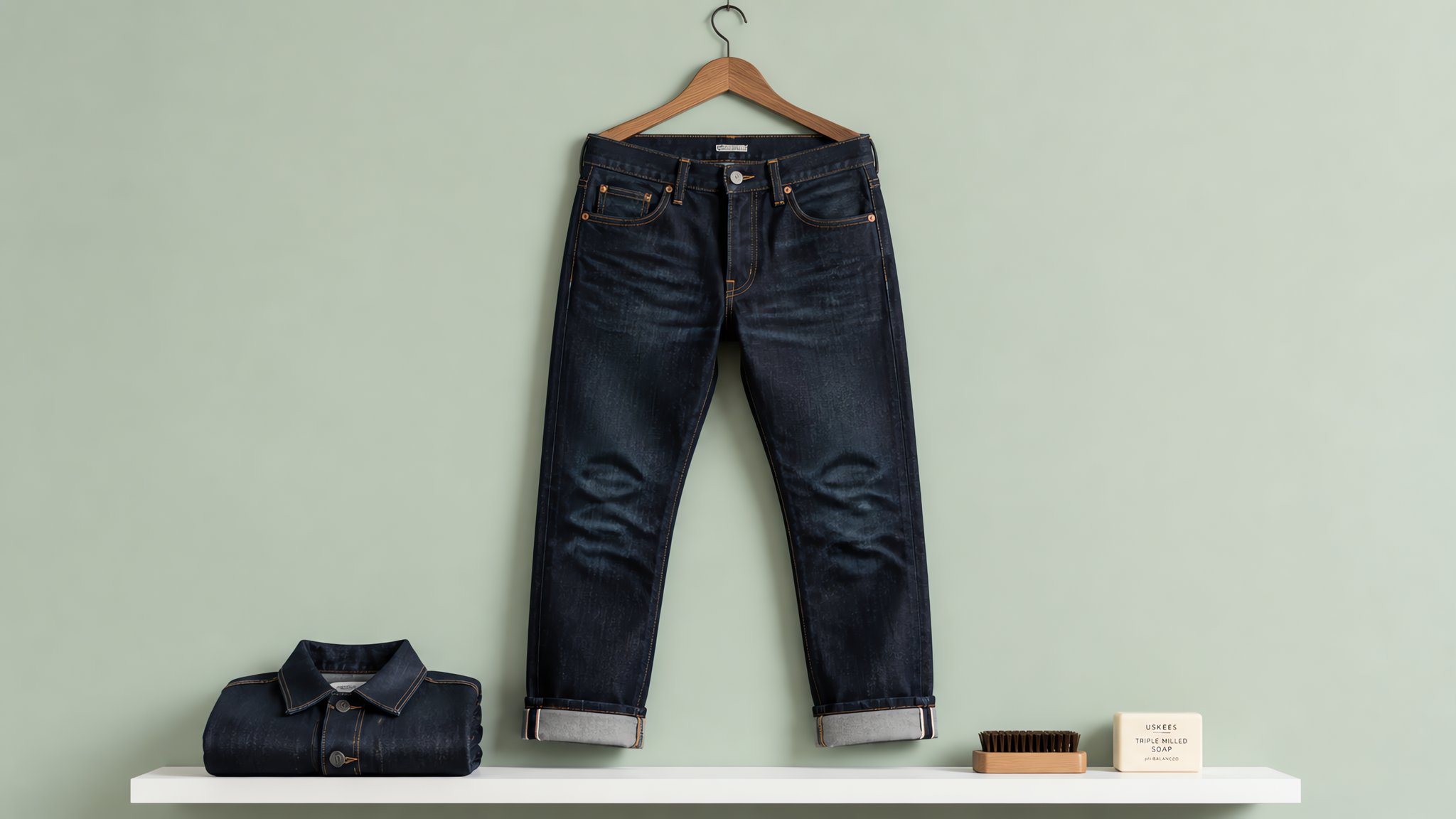
Raw denim is more than just fabric—it’s a canvas that records your life. Every crease, whisker, and fade tells a story unique to you. But that prized character comes with a catch: washing raw denim incorrectly can erase months of wear in a single cycle. The fear of ruining fades keeps many enthusiasts from washing at all, leading to a different set of problems—odor, bacteria, and fabric breakdown. The truth is, you can wash raw denim and still preserve those beautiful fades. It just takes a mindful approach. In this guide, you’ll learn exactly how to wash raw denim without ruining fades, from choosing the right detergent to drying techniques that protect contrast. We’ll also cover common mistakes and answer the most frequent questions about raw denim care.
Whether you’re breaking in your first pair or you’ve been wearing raw denim for years, understanding the science behind fades and the mechanics of washing will help you make informed decisions. The goal is simple: keep your jeans clean, comfortable, and full of character for years to come. Let’s dive in.
Raw denim is denim that has not been washed or treated after the dyeing process. Unlike pre-washed or distressed jeans, raw denim comes stiff and dark, with all the indigo dye still intact. As you wear them, the dye gradually rubs off in high-friction areas—thighs, knees, seat, and behind the knees—creating unique fade patterns. This is why raw denim enthusiasts often go months without washing: the unwashed fabric allows sharper, higher-contrast fades to develop. According to recognized denim care guidance, washing less frequently helps preserve the indigo and the creases that define your fade pattern.
Washing raw denim too aggressively—especially in hot water with harsh detergents and machine agitation—can cause the indigo to release unevenly, washing out the contrast you’ve worked so hard to build. Hot water opens up the cotton fibers, allowing more dye to escape. Harsh detergents strip indigo quickly. And the mechanical action of a washing machine can create random creases and streaks that disrupt the natural wear patterns. The result is often a pair of jeans that looks uniformly faded and flat, losing the sharp whiskers and honeycombs that make raw denim so appealing. That’s why the method matters: gentle washing in cold water with mild soap minimizes dye loss while still removing dirt and odor.
Cold water is your best friend when washing raw denim. It slows down dye transfer and reduces shrinkage. Sustainable denim care experts note that washing denim in cold water on a gentle cycle can reduce energy use by up to 90% compared to hot water washing—a bonus for the environment and your jeans. As for detergent, skip anything with bleach, brighteners, or enzymes designed for heavy stain removal. A mild, pH-neutral soap or a dedicated denim wash is ideal. These clean effectively without aggressively pulling indigo from the fabric.
Before washing, turn your raw denim inside out. This simple step protects the outer surface—where your fades live—from direct abrasion and detergent contact. It also helps preserve the indigo on the visible side. If your jeans have any stains, spot clean them gently with a soft cloth and a tiny amount of mild soap before the full wash. Avoid scrubbing hard, as this can create unwanted light spots. Also, remove everything from the pockets to prevent lumps that could cause uneven creasing during the wash.
There are two main ways to wash raw denim: hand washing and machine washing on a gentle cycle. Hand washing gives you the most control and is the safest for preserving fades. Fill a clean bathtub or large basin with cold water and add a small amount of mild detergent. Submerge your jeans, gently agitate them with your hands, and let them soak for 30–45 minutes. Avoid wringing or twisting. After soaking, drain the water and rinse thoroughly with cold water until no soap remains. If you must use a machine, select the gentlest cycle, cold water, and a low spin speed. Place the jeans inside out in the drum, and never wash them with other heavy items that could cause friction. Appliance experts recommend washing jeans separately to avoid dye transfer and abrasion.
Heat is the enemy of raw denim fades. Tumble drying causes shrinkage, sets creases randomly, and can fade indigo unevenly. Instead, after washing, gently press out excess water by rolling the jeans in a clean towel—never wring. Then hang them to dry indoors or in a shaded, well-ventilated area away from direct sunlight, which can cause yellowing and uneven fading. Hang them by the waistband using clips or lay them flat on a drying rack. Avoid hanging by the legs, as the weight can stretch the fabric. Let them dry completely before wearing. This slow, gentle drying process helps maintain the shape and contrast of your fades.
The golden rule of raw denim is to wash only when necessary. For most people, that means every 3–6 months of regular wear, or sooner if the jeans are visibly dirty or smell. Some enthusiasts go even longer, but that’s a personal choice. If you’re worried about odor between washes, air your jeans out overnight or spot clean the waistband and crotch area with a damp cloth. Freezing jeans is a myth—it doesn’t kill odor-causing bacteria. A gentle wash is far more effective. For more guidance on wash frequency, check out our article on how often you should wash jeans.
Washing raw denim doesn’t have to be a gamble. By following a few simple principles—cold water, mild detergent, gentle handling, and air drying—you can keep your jeans clean and fresh while preserving the fades you’ve earned. The key is to treat raw denim as a delicate fabric that rewards patience. Wash less often, wash gently, and never use heat. Your jeans will develop deeper, more personal character with every wear and every careful wash.
Remember: the best fade is the one that tells your story. Don’t let fear of washing ruin your jeans—instead, let mindful care enhance them. For more on choosing jeans that age beautifully, explore our guide to choosing eco-friendly jeans or learn about the water-saving technology behind modern denim in our article on laser and ozone denim.
Most raw denim enthusiasts wash every 3–6 months of regular wear, or when the jeans are visibly dirty or have an odor. Washing less frequently helps preserve high-contrast fades. Air out your jeans between wears to extend time between washes.
Yes, but with caution. Turn jeans inside out, use cold water, a gentle cycle, and a mild detergent. Wash alone or with similar colors. Hand washing is safer for preserving fades, but a gentle machine cycle is acceptable if done carefully.
Washing too aggressively—hot water, harsh detergent, heavy agitation, or machine drying—can fade indigo unevenly and reduce contrast. But a gentle cold-water wash with mild soap and air drying will clean your jeans without significantly harming the fades.
No. Freezing does not kill odor-causing bacteria; it only temporarily slows their activity. The best way to remove odor and dirt is a gentle wash in cold water with mild detergent.
