



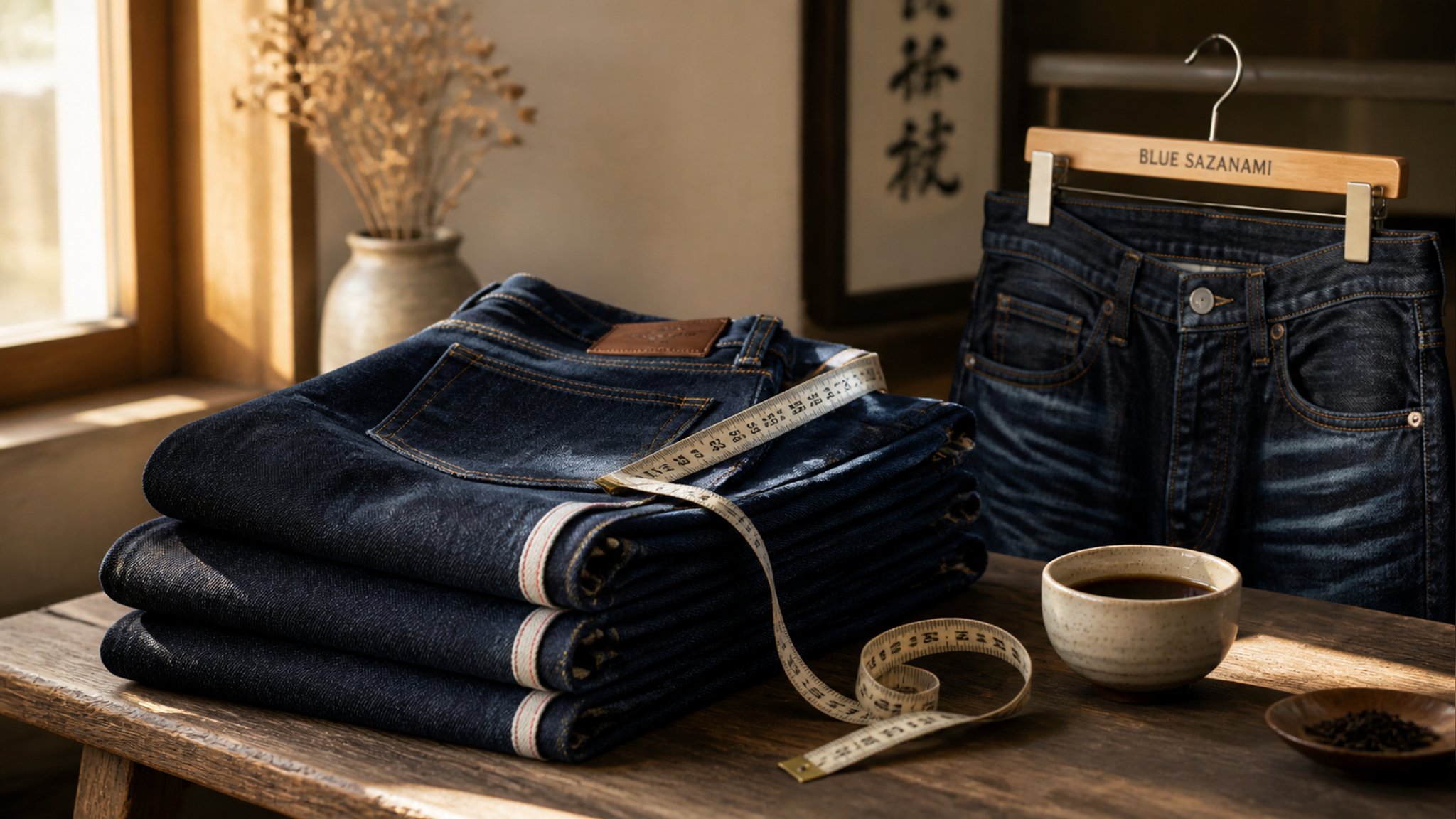
Jeans are the workhorse of the modern wardrobe—durable, versatile, and endlessly wearable. Yet few garments spark as much debate as denim when it comes to laundry. Wash after every wear? Once a month? Never? The answer matters not only for your jeans’ lifespan and appearance but also for your environmental footprint. Overwashing fades color, weakens fibers, and wastes water and energy, while underwashing can lead to odor and bacterial buildup. This guide cuts through the confusion with practical, science-backed advice on how often you should wash jeans, how to spot-clean between washes, and how to care for your denim so it lasts for years. Whether you’re a raw denim purist or just want your favorite pair to look great longer, you’ll find clear, actionable tips here.
Denim is a dense, tightly woven cotton twill originally designed for durability in workwear. Unlike delicate fabrics or synthetics that trap odor, cotton denim breathes and releases moisture, allowing it to air out between wears. Most everyday dirt and odors are surface-level and can be removed by spot cleaning or airing. According to Levi’s definitive denim care guide, freezing jeans can reduce odors, and spot cleaning or washing in cold water is a quick way to refresh them without a full wash. The key is that denim’s natural properties allow for extended wear without compromising hygiene when basic care is followed.
Washing clothes has a significant environmental cost. The EILEEN FISHER denim care guide notes that roughly 90% of a washing machine’s energy consumption goes toward heating water, and washing in cold water significantly reduces environmental impact. Every wash cycle also releases microfibers into waterways and consumes fresh water—a precious resource. By washing jeans less frequently, you conserve water, reduce energy use, and decrease microfiber pollution. This simple habit aligns with sustainable fashion principles and complements the water-saving production methods used in eco-friendly denim, such as laser and ozone washing, which you can learn about in our guide on how laser and ozone denim washing saves 50+ liters per jean.
Every wash stresses denim fibers. Agitation in the machine, detergent chemicals, and heat from drying cause cotton fibers to break down over time, leading to thinning, loss of shape, and fading. This is especially true for raw or dark-wash jeans, where indigo dye sits on the surface and rubs off with friction. By extending time between washes, you preserve the integrity of the fabric and allow natural creases and fades to develop beautifully—a hallmark of well-loved denim. For a deeper dive into how denim ages, see our article on raw vs. washed denim and which fades better over time.
There is no one-size-fits-all answer, but most denim experts agree that jeans do not need to be washed after every wear. A common recommendation is to wash jeans after every 5 to 10 wears, or roughly once every two to four weeks for regular use. However, this varies based on lifestyle, climate, and personal preference. If you wear jeans for sedentary activities in cool weather, you may go longer. If you sweat heavily, work outdoors, or spill something, you’ll need to wash sooner. The key is to assess your jeans: if they look dirty, smell, or have lost their shape, it’s time for a wash. Otherwise, air them out and spot clean as needed.
Several factors influence how quickly jeans need washing. Activity level: Office work and casual wear produce less sweat than physical labor or exercise. Climate: Hot, humid environments cause more perspiration and bacterial growth. Fabric composition: Jeans with stretch (elastane) may hold odor more than 100% cotton and may need more frequent washing, though gentle cycles are best. Color and finish: Dark or raw denim should be washed less to preserve dye; light washes can tolerate more frequent cleaning. Personal sensitivity: Some people are more sensitive to odors or skin irritants and may prefer washing more often. Ultimately, trust your senses—if it smells or looks dirty, wash it.
Between washes, you can keep jeans fresh with simple techniques. Hang them in a well-ventilated area after wearing to allow moisture and odors to dissipate. Spot clean small stains with a damp cloth and mild soap, dabbing gently. For odor control, you can place jeans in the freezer overnight—Levi’s notes this can reduce odors, though it doesn’t remove dirt. Alternatively, use a fabric refresher spray or steam them lightly with a garment steamer to relax fibers and kill bacteria. These methods extend time between full washes, saving water and preserving denim.
When it’s time to wash, follow these steps to minimize damage. Turn jeans inside out to protect the outer surface and reduce fading. Use cold water and a gentle cycle with mild detergent—avoid bleach and fabric softeners, which can break down fibers. Wash jeans with similar colors and avoid overloading the machine. After washing, air dry jeans by hanging them or laying flat; avoid the dryer, which causes shrinkage and fiber damage. If you must use a dryer, use the lowest heat setting and remove jeans while slightly damp. For a complete step-by-step guide, see our article on how to wash jeans without ruining them.
How often you wash jeans depends on your lifestyle, but the consensus is clear: less is more. Washing every 5–10 wears, or only when needed, preserves color, fit, and fabric while saving water and energy. Between washes, simple habits like airing out, spot cleaning, and freezing can keep jeans fresh. When you do wash, use cold water, gentle cycles, and air drying to extend the life of your denim. By adopting these practices, you not only protect your investment but also reduce your environmental impact—a win for your wardrobe and the planet. For more sustainable denim care tips, explore our eco-friendly denim laundry care and longevity guide.
Most experts recommend washing jeans after 5 to 10 wears, depending on activity level and climate. If they look dirty, smell, or lose shape, wash sooner; otherwise, air them out and spot clean.
Yes, overwashing fades color, weakens fibers, and causes shrinkage. It also wastes water and energy. Washing only when necessary extends the life of your jeans.
Freezing can reduce odors by killing some odor-causing bacteria, but it does not remove dirt or stains. It’s a temporary refresh method, not a substitute for washing when jeans are truly dirty.
Raw denim should be washed very infrequently—often after 6 months to a year of wear—to allow natural fades to develop. When washing, use cold water, gentle detergent, and air dry to preserve the unique patina.
