



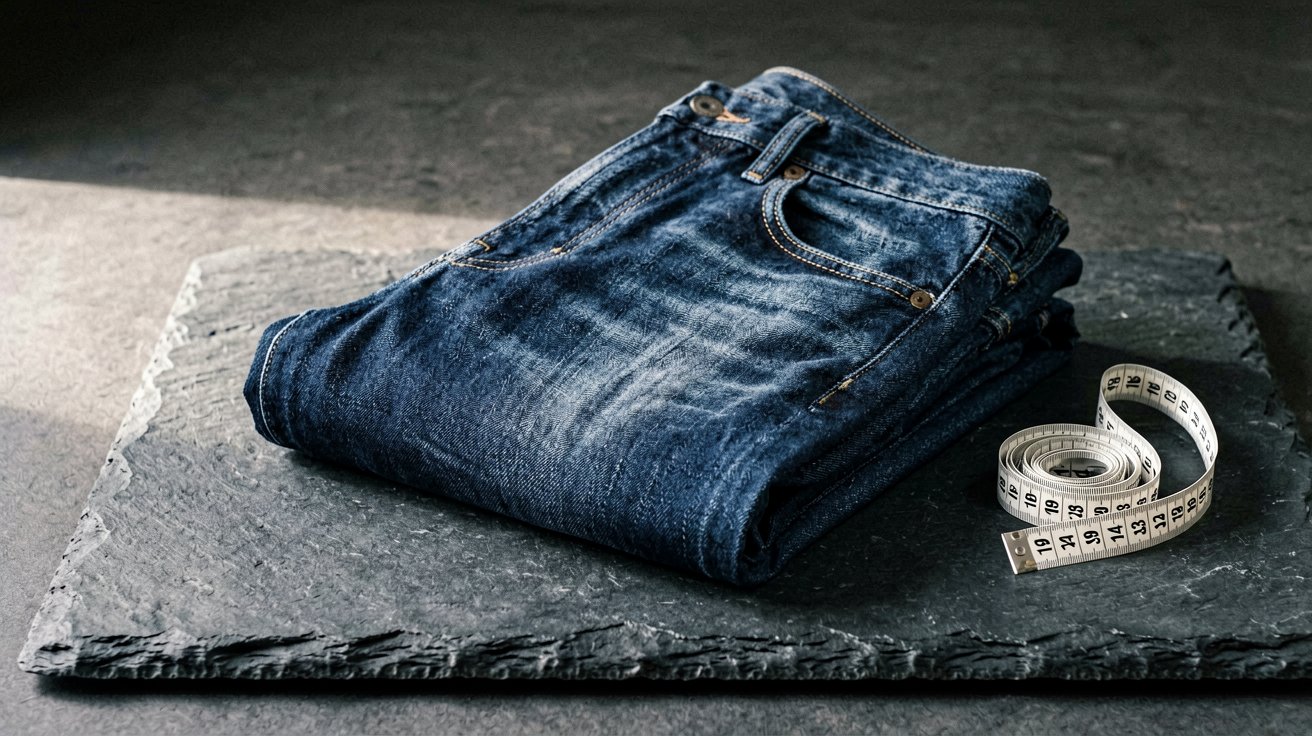
Jeans are the backbone of almost every wardrobe—durable, versatile, and effortlessly stylish. But nothing shortens their lifespan faster than improper washing. Learning how to wash jeans correctly can keep them looking great for years while reducing your environmental footprint. In this guide, we’ll walk you through every step, from pre-wash prep to drying, so you never ruin a pair again. Whether you’re breaking in raw denim or caring for eco-friendly laser-finished jeans, these tips will help you preserve fit, color, and fabric integrity.
At SIFIRbir, we believe sustainable denim care goes hand in hand with our water-saving production methods. By washing less and washing smarter, you save water, energy, and the unique character of your jeans. Ready to give your denim the love it deserves? Let’s dive in.
Jeans are not like ordinary clothes. Denim is a sturdy cotton twill that develops a unique patina over time, especially in raw or dark wash styles. Aggressive washing strips away indigo dye, causes shrinkage, and breaks down fibers prematurely. According to denim care experts at Levi’s, the definitive guide to denim care emphasizes that less frequent washing preserves both color and shape. When you do wash, cold water and gentle cycles are key to preventing damage.
Beyond personal garment care, how you wash jeans has a significant environmental impact. Washing machines consume huge amounts of water and energy—roughly 90% of a machine’s energy goes toward heating the water, as noted by EILEEN FISHER’s sustainable denim care tips. By choosing cold water and air-drying, you can drastically cut your laundry’s carbon footprint. This aligns perfectly with SIFIRbir’s mission: our laser and ozone technology already reduces water waste in production, and mindful washing continues that sustainability at home.
You may have heard that freezing jeans kills bacteria and removes odors without washing. While it’s true that cold temperatures can temporarily reduce smell, freezing does not remove dirt or oils. The P&G fabric care scientists explain that ultimate denim care requires actual cleaning for hygiene. For a deeper dive into when to freeze versus wash, check out our article on freeze vs wash denim care.
Always start by checking the manufacturer’s instructions. While most denim can be washed in cold water, some specialty finishes or blends may have specific requirements. Our eco-friendly jeans buying guide explains how laser and ozone washes affect fabric, but generally these jeans are as durable as conventional ones—just produced with far less water.
For small stains, avoid a full wash. Spot clean with a damp cloth and a mild detergent or diluted white vinegar. Gently dab—never rub—to prevent spreading the stain or damaging the denim. This targeted approach minimizes water use and preserves the overall wash of your jeans.
Turning your jeans inside out before washing protects the outer surface from abrasion and helps retain the original color. This is especially important for dark or raw denim, where you want to maintain an even fade pattern. Zip up zippers and button all buttons to prevent snagging.
Set your washing machine to the coldest water setting and a gentle or delicate cycle. Cold water prevents shrinkage and dye bleeding, while the gentle cycle reduces stress on the fibers. Use a small amount of mild detergent—ideally one formulated for dark colors or eco-friendly options. Avoid bleach and fabric softeners, which can break down cotton fibers and leave residues.
High heat is the enemy of denim. Tumble drying can cause significant shrinkage, warp seams, and fade color. Instead, hang your jeans or lay them flat to air dry away from direct sunlight. If you need to soften air-dried denim, you can toss them in the dryer on a no-heat or air-only cycle for a few minutes after they’re mostly dry. This method is recommended by Levi’s denim care advice as a safe way to restore softness without damage.
Fold jeans neatly or hang them by the waistband using clips or a hanger designed for pants. Avoid wire hangers that can stretch the fabric. Proper storage prevents creases and maintains shape between wears.
Incorporate these habits to extend the life of your jeans even further:
Steer clear of these frequent errors that ruin jeans prematurely:
Mastering how to wash jeans is simpler than you think—and the rewards are lasting. By washing inside out in cold water, air drying, and washing only when necessary, you’ll preserve the color, fit, and feel of your favorite pairs for years. These habits also align with a sustainable lifestyle, reducing water and energy use with every load.
At SIFIRbir, we’re committed to denim that’s better for the planet from production to care. Our sustainable jeans collection uses innovative laser and ozone technology to minimize environmental impact, and with proper care, they’ll remain wardrobe staples season after season. For more tips on finding the perfect fit, visit our sustainable denim fit guide. Remember: the most sustainable jeans are the ones you already own—treat them right.
Jeans don’t need to be washed after every wear. Unless they are visibly dirty or have an odor, you can wear them 5–10 times before washing. Some denim purists go even longer. Spot cleaning and airing them out between wears helps maintain freshness.
It’s best to avoid the dryer, as high heat can cause shrinkage and fading. If you must use a dryer, choose the lowest heat setting and remove jeans while still slightly damp. For best results, air dry by hanging or laying flat.
Freezing can temporarily reduce odors by slowing bacterial growth, but it does not remove dirt, oils, or dead skin cells. For actual cleaning, a gentle cold-water wash is more effective. Freezing is a short-term solution between washes.
Turn jeans inside out before washing, use cold water, and choose a mild detergent formulated for dark colors. Avoid over-washing and always air dry away from direct sunlight. These steps help preserve the indigo dye and keep your jeans looking newer longer.
