



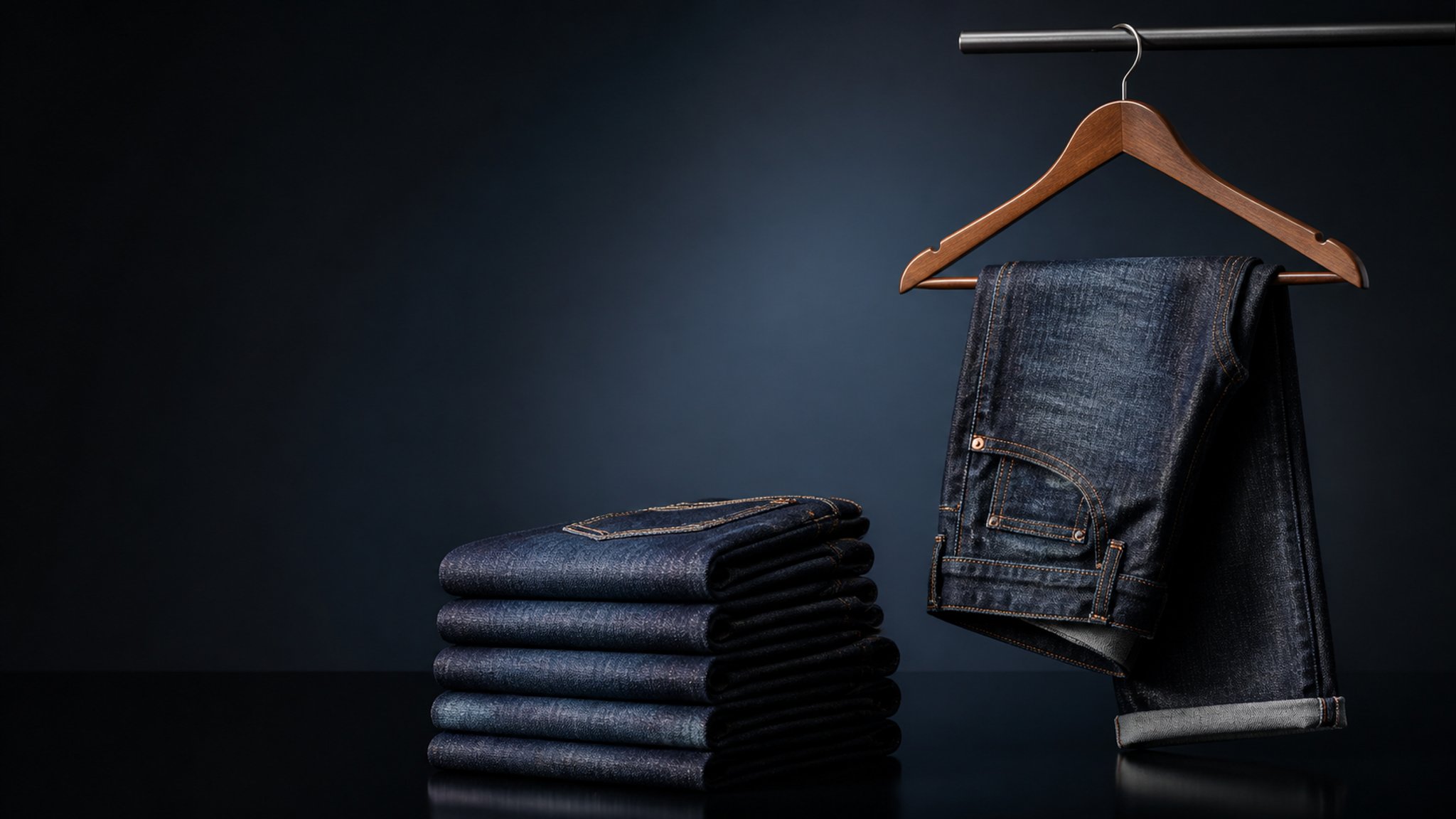
Denim is the backbone of the modern wardrobe, but the way most jeans are made comes at a steep environmental cost. Conventional denim production can consume thousands of liters of water per pair and relies on harsh chemical treatments that leave residues on fabric and pollute local waterways. As consumers grow more conscious, the demand for eco-friendly jeans has surged, pushing brands to rethink every step from cotton sourcing to final wash. According to Good On You’s guide to sustainable jeans, the most responsible options combine organic or recycled fibers with low-impact dyeing and finishing techniques.
SIFIRbir stands at the intersection of style and sustainability, using water-saving laser and ozone garment-wash technology to create denim that looks premium without the ecological damage. Our new releases embody this philosophy: from collaborative limited editions to everyday essentials, each pair is crafted with industry-optimized eco fabric and low-water washing techniques. This guide will walk you through everything you need to know to choose eco-friendly jeans in 2026, from understanding quality markers to finding the right fit and value.
Whether you’re replacing a worn-out favorite or building a more conscious closet, the choices you make matter. By the end of this guide, you’ll be equipped to identify truly sustainable denim, avoid common pitfalls, and select a pair that aligns with both your values and your style.
Quality in denim starts with the raw material. Look for jeans made from organic or recycled cotton blends, which reduce pesticide use and water consumption compared to conventional cotton. The weave should feel dense and substantial, with a consistent twill pattern that promises durability. At SIFIRbir, our premium jeans are crafted under professional innovative methods that preserve premium denim texture and long-lasting color fastness, ensuring they hold up wash after wash.
Construction details matter just as much as fabric. Reinforced stitching, bar tacks at stress points, and quality hardware all signal a pair built to last. Our collaborative pieces, like the SELFNESS x SIFIRbir Coffee Touched Jeans, merge modern tailored aesthetics with superior wearable comfort, delivering a flawless fit and refined silhouette that speaks to careful craftsmanship.
The finishing process is where conventional denim does the most damage. Traditional washing uses pumice stones, toxic chemicals, and enormous volumes of water to achieve faded or distressed looks. Eco-friendly alternatives like laser distressing and ozone washing dramatically reduce water and chemical use. The Good Trade’s review of ethical denim highlights that low-water and no-water techniques can cut water usage by up to 90% compared to conventional methods.
SIFIRbir’s exclusive green production replaces outdated, wasteful traditional denim production with refined processes that prioritize skin safety and planetary protection. Our jeans are produced using water-saving laser and ozone garment-wash technology, which means you get the same premium look without the toxic residue or ecological waste. This is not just marketing—it’s a measurable difference in how your jeans feel against your skin and how they impact the planet.
Eco-friendly jeans come in a wide range of cuts and washes, so you don’t have to sacrifice personal style for sustainability. Minimalist straight-leg jeans remain a timeless choice, offering versatility for both casual and smart-casual settings. For a contemporary edge, consider slim or tapered fits that flatter without being restrictive. Our new releases focus on modern minimalist design, ensuring each pair integrates seamlessly into a capsule wardrobe.
Among our current offerings, the TheBelief Black Jeans provide a sleek, monochromatic option that pairs effortlessly with anything from a white tee to a blazer. For those who prefer a warmer, organic tone, the TheBelief Walnut Dyed Jeans showcase a natural dye process that yields a rich, earthy hue. If you’re drawn to deep indigo classics, the TheBelief Dark Blue Jeans deliver that timeless denim look with all the sustainable benefits.
Collaborative limited editions add a collectible dimension to sustainable denim. The SELFNESS x SIFIRbir Exclusive Limited Edition Jeans are crafted as a limited-run exclusive style, merging modern tailored aesthetics with revolutionary low-impact manufacturing. Similarly, the SELFNESS x SIFIRbir Walnut Touched Jeans offer a distinctive walnut-touched finish that sets them apart from mass-produced alternatives. Each piece is designed to be a statement of conscious fashion.
Fit is personal, but a few guidelines can help you find jeans that feel like they were made for you. Start by measuring your natural waist and hips, then compare those numbers to the brand’s size chart. Keep in mind that denim with a small percentage of stretch will mold to your body over time, while 100% cotton jeans will relax slightly but won’t stretch significantly. Since SIFIRbir’s jeans are crafted for precise tailored shaping, we recommend choosing the size that matches your largest measurement and tailoring if needed.
Consider the rise as well: high-rise jeans elongate the legs and provide more coverage, mid-rise offers a balanced everyday fit, and low-rise sits closer to the hips for a relaxed look. The silhouette should complement your body type—straight legs work for most builds, slim fits suit leaner frames, and relaxed cuts offer comfort for broader hips and thighs. Our new releases emphasize exceptional wearability, so you can move freely without feeling constricted.
When trying on eco-friendly jeans, pay attention to how the fabric feels after a few minutes of wear. Quality denim should feel substantial but not stiff, and the waistband should sit snugly without digging in. If you’re between sizes, opt for the smaller size if the fabric contains stretch, as it will give slightly. Always check the return policy so you can exchange if the fit isn’t perfect.
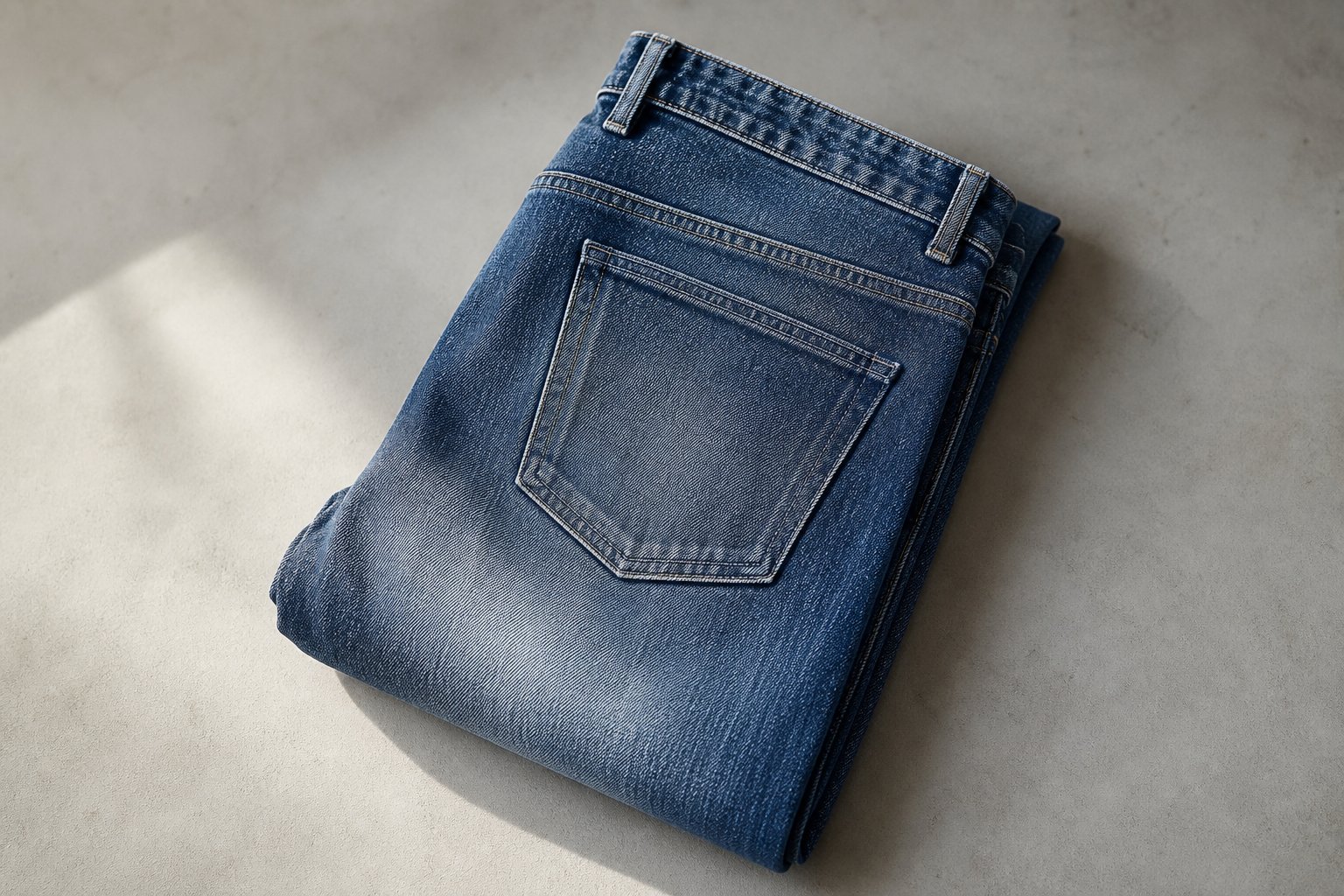
The price of eco-friendly jeans reflects the true cost of responsible production. Conventional denim is cheap because it externalizes environmental and social costs—polluted water, toxic chemical exposure, and exploited labor. Sustainable denim, by contrast, invests in organic materials, innovative low-impact technologies, and fair wages, which raises the upfront price but delivers better long-term value. A well-made pair of eco-friendly jeans can last years longer than fast-fashion alternatives, reducing cost per wear.
In our new releases, the pricing tiers are straightforward. The TheBelief and SELFNESS x SIFIRbir jeans are all priced at $689, representing a mid-range investment for premium sustainable denim. This price point reflects the use of industry-optimized eco fabric, low-water washing techniques, and meticulous construction—not marketing markup. For context, many ethical denim brands charge similar or higher prices for comparable quality, as noted in The Good Trade’s guide to sustainable jeans.
If you’re looking for accessories to complement your denim, the Flat Top Retro Cap at $210 is a limited-stock, handcrafted piece from Türkiye that adds a vintage touch. For those who appreciate heritage-inspired carry, the WWII German Military-Inspired Vintage Canvas Bag at $3399 is a premium investment in durable, timeless design. These pieces demonstrate that sustainable value extends beyond jeans to the entire wardrobe.
Based on our new releases, here are three standout eco-friendly jeans that cater to different preferences and needs.
TheBelief Black Jeans — Best for minimalists. These premium jeans offer a sleek, all-black look that pairs with everything. Crafted with SIFIRbir’s low-water washing techniques, they deliver long-lasting color fastness and precise tailored shaping. Ideal for those who want a versatile, modern staple that doesn’t compromise on sustainability.
SELFNESS x SIFIRbir Coffee Touched Jeans — Best for unique finishes. This limited-run collaborative piece features a distinctive coffee-touched wash that stands out from standard denim. It merges modern tailored aesthetics with superior comfort and industry-leading eco-friendly processing, making it a conversation starter for conscious fashion enthusiasts.
TheBelief Walnut Dyed Jeans — Best for earthy tones. The walnut dye process yields a rich, warm brown that feels organic and refined. These jeans are perfect for those who want a break from blue denim while still enjoying premium texture and sustainable production.
For a full range of options, explore our New Releases category to see all current styles, including the SELFNESS x SIFIRbir Exclusive Limited Edition and Dark Blue TheBelief jeans.
Choosing eco-friendly jeans in 2026 is about more than just buying a product—it’s about supporting a system that values people and the planet. Start by educating yourself on what makes denim sustainable, from organic fibers to low-water finishing. Look for brands that are transparent about their processes and willing to invest in innovative technologies like laser and ozone washing. As Avartan Avenue’s sustainable denim guide points out, the most beautiful sustainable trends are those that combine ethics with aesthetics.
When you shop, prioritize fit and quality over quantity. A single pair of well-made eco-friendly jeans will serve you better than three pairs of fast-fashion denim. Care for your jeans properly—wash less, use cold water, and line dry—to extend their life and reduce your footprint further. And when it’s time to part ways, consider repairing, donating, or recycling rather than sending them to landfill.
SIFIRbir’s new releases prove that you don’t have to choose between looking good and doing good. With water-saving production, premium materials, and timeless designs, our jeans are built for the conscious consumer who refuses to compromise. Browse the collection today and take the first step toward a more sustainable wardrobe.
Eco-friendly jeans are made using sustainable materials like organic or recycled cotton and produced with low-impact processes that reduce water, energy, and chemical use. Look for brands that use laser distressing, ozone washing, or natural dyes, and that are transparent about their supply chain.
Yes. SIFIRbir uses water-saving laser and ozone garment-wash technology, which significantly reduces water consumption compared to conventional denim washing. Our process also avoids harsh toxic chemicals, prioritizing skin safety and environmental protection.
Wash your jeans as infrequently as possible—spot clean when you can. When washing is necessary, turn them inside out, use cold water, and a mild eco-friendly detergent. Always air dry instead of using a dryer to preserve the fabric and reduce energy use.
Sustainable jeans often have a higher upfront cost because they reflect the true cost of responsible production—organic materials, fair labor, and low-impact technologies. However, they typically last longer and offer better cost per wear than fast-fashion alternatives.
