



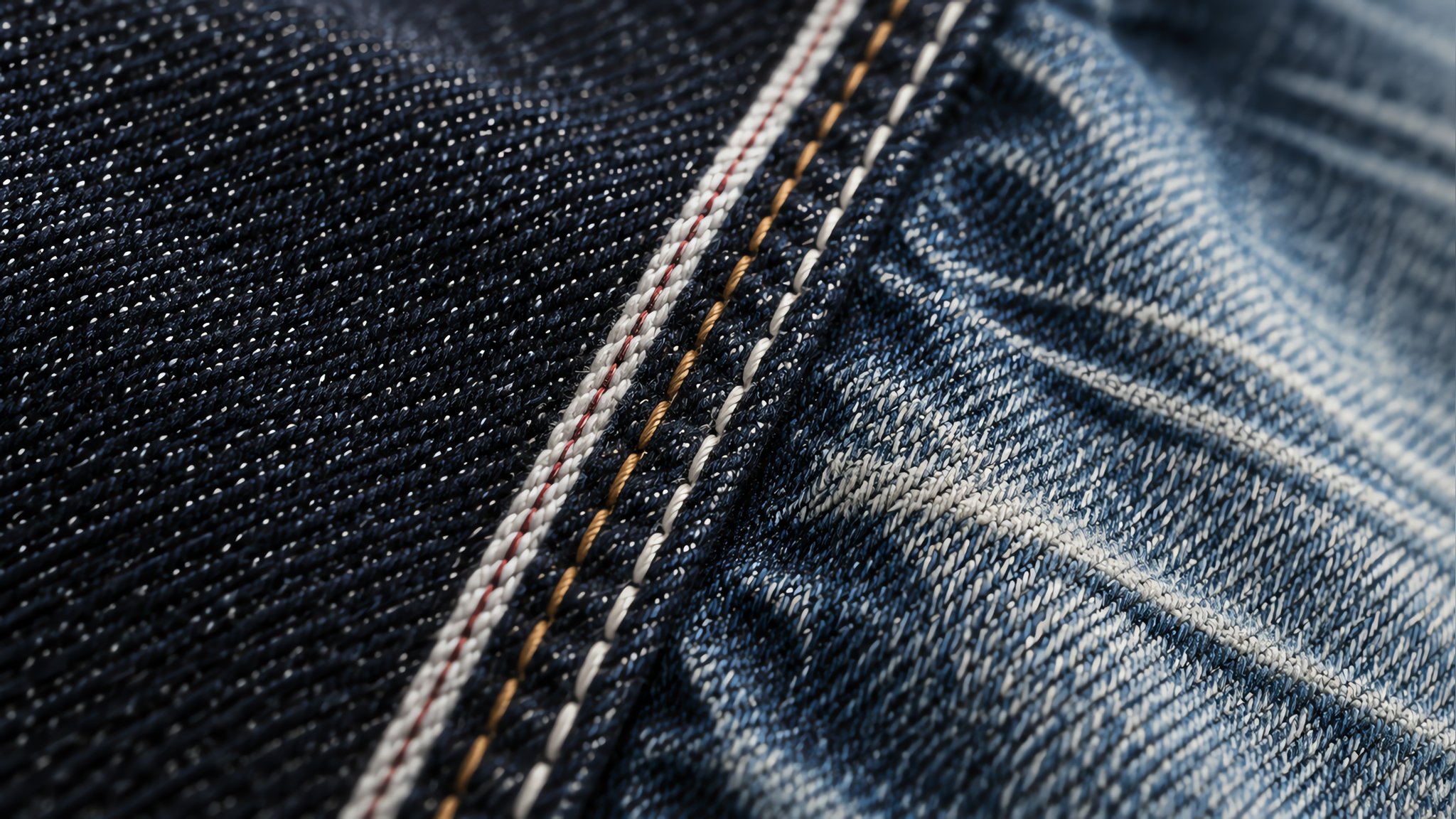
Walk into any denim store or browse online, and you’ll quickly encounter two distinct camps: raw denim and washed denim. At first glance, they might seem like minor variations of the same fabric, but the differences run deep—affecting how the jeans look on day one, how they feel against your skin, how they age over years, and even their environmental footprint. For anyone building a thoughtful wardrobe, understanding the raw vs washed denim debate is essential. Raw denim offers a blank canvas for personal fades and a purist’s connection to the fabric’s history, while washed denim delivers immediate softness, predictable fit, and a broken-in look from the start. This article breaks down the fundamentals, compares the two approaches across key factors, and offers practical guidance to help you decide which path aligns with your lifestyle, aesthetic, and eco-conscious values.
By the end, you’ll have a clear framework for choosing between raw and washed denim—and you’ll see how modern sustainable washing technologies are blurring the lines, giving you the best of both worlds without the environmental guilt. Whether you’re a denim newcomer or a seasoned enthusiast, this guide will help you make a confident, informed choice.
Raw denim, also known as dry or unwashed denim, is denim fabric that has not undergone any washing or distressing after the indigo dyeing and weaving process. It leaves the loom stiff, deeply colored, and full of potential. The fabric is typically made from 100% cotton and woven in a traditional twill pattern, with the warp yarns dyed indigo and the weft yarns left natural or bleached. Because the indigo sits on the surface of the yarns, raw denim gradually loses color in high-friction areas—thighs, knees, seat, and whiskers around the crotch—creating unique, personalized fade patterns over time. This is the core appeal for denim purists: no two pairs of raw jeans will ever look exactly alike after months of wear. According to fabric experts, raw denim’s stiff hand and deep indigo color are the starting points for the fading journey that many enthusiasts cherish.
Washed denim, in contrast, has been treated after weaving to soften the fabric, remove excess indigo, and often add intentional fading, creasing, or distressing. This can range from a simple rinse wash that removes some starch and shrinkage to heavy stone washing, acid washing, or enzyme washes that dramatically alter the look and feel. The result is a pair of jeans that is soft, comfortable, and predictable from the first wear—no break-in period required. Washed denim also tends to be more dimensionally stable, meaning it won’t shrink or stretch as dramatically as raw denim after the first wash. This makes it a popular choice for everyday wear and for those who prefer a lived-in look without the wait. However, the washing process itself has historically been water- and chemical-intensive, though newer technologies are changing that equation.
In recent years, the denim industry has faced growing scrutiny over its environmental impact, particularly in the washing phase. Traditional stone washing can use up to 100 liters of water per pair of jeans, along with pumice stones, harsh chemicals, and significant energy. This has led to the rise of eco-friendly alternatives like laser fading and ozone washing, which dramatically reduce water and chemical use. Laser and ozone technologies can cut water consumption by up to 90% compared to conventional methods, making washed denim far more sustainable than it once was. For eco-conscious shoppers, this means the choice between raw and washed denim is no longer a simple trade-off between personalization and environmental responsibility.
The most obvious difference between raw and washed denim is how they look when new and how that appearance evolves. Raw denim starts as a uniform, dark indigo with a slight sheen. It looks crisp and formal, almost like a pair of dress trousers. Over time, wear and washing create high-contrast fades that reflect your body’s unique movements—whisker lines at the hips, honeycomb patterns behind the knees, and a wallet fade in the back pocket. These fades are a point of pride for many denim enthusiasts, a visual diary of the jeans’ life. However, achieving them requires patience and a willingness to wear the same pair frequently for months before the fabric softens and the color begins to shift.
Washed denim, on the other hand, arrives with its character already built in. Factory washes can simulate years of wear in a matter of hours, producing everything from subtle vintage fades to aggressive distressing. This means you get a broken-in look immediately, with no guesswork about how the jeans will ultimately appear. The trade-off is that the fades are generic—designed to appeal to a broad audience rather than shaped by your individual body. For those who value convenience and a consistent aesthetic, washed denim is the clear winner. For those who see denim as a canvas for self-expression, raw denim offers an unmatched creative journey.
Comfort is often the deciding factor for many buyers, and here the two types diverge sharply. Raw denim is famously stiff and sometimes even scratchy when new. The fabric is dense and unyielding, and it can take weeks of regular wear to soften and mold to your body. This break-in period can be uncomfortable, especially in warmer climates or for those with sensitive skin. However, once broken in, raw denim becomes incredibly comfortable—it conforms to your shape like a second skin and develops a soft, almost suede-like texture that many find superior to any factory finish.
Washed denim requires no break-in. The washing process removes starch and relaxes the fibers, resulting in a soft, pliable fabric from the first wear. This makes washed jeans ideal for everyday use, travel, or anyone who prioritizes immediate comfort. The downside is that washed denim may not develop the same deep, personalized softness over time, as the fabric has already been manipulated. Still, for most consumers, the instant comfort of washed denim outweighs the long-term payoff of raw denim’s break-in.
When it comes to durability, raw denim has a reputation for being tougher, but the reality is more nuanced. Raw denim is typically made from heavier-weight fabric (often 14 oz or more) and has not been subjected to the abrasion of washing, so the fibers are intact and strong. This means raw jeans can withstand years of hard wear without developing holes or tears—provided you don’t wash them too aggressively. However, raw denim is also more prone to crotch blowouts and other stress failures if worn for extended periods without washing, as sweat and friction weaken the fibers.
Washed denim, especially heavily distressed styles, may have intentionally weakened areas—rips, frays, and sanded spots that are designed to look worn but are structurally compromised. Light to medium washes, however, can be just as durable as raw denim, and modern laser fading can create authentic-looking wear patterns without physically damaging the fabric. Bulk denim guides note that the weight and weave of the fabric are more important determinants of durability than the wash itself. So, if longevity is your priority, look for a substantial weight (12 oz or higher) and avoid heavy distressing, regardless of whether the denim is raw or washed.
The environmental footprint of raw vs washed denim is a tale of trade-offs. Raw denim, by definition, skips the washing stage entirely, which saves a significant amount of water and chemicals during production. However, raw denim’s environmental story doesn’t end at the factory. Because raw jeans are often worn for long periods between washes (to preserve fades), they may actually consume less water over their lifetime than a pair of washed jeans that gets laundered frequently. On the other hand, raw denim enthusiasts sometimes wash their jeans more carefully—hand washing or using specialized detergents—which can be more resource-intensive per wash.
Washed denim has historically been an environmental villain, with conventional stone washing using pumice, enzymes, and vast quantities of water. But the industry is changing rapidly. Laser and ozone washing technologies now allow manufacturers to achieve the same faded looks with a fraction of the water and chemicals. These methods use lasers to burn away indigo precisely and ozone gas to bleach fabric without water. As a result, eco-friendly washed denim can have a lower environmental impact than raw denim when the entire lifecycle is considered, especially if the jeans are washed responsibly at home. For the eco-conscious consumer, the key is not raw vs washed but rather how the denim was produced and how you care for it.
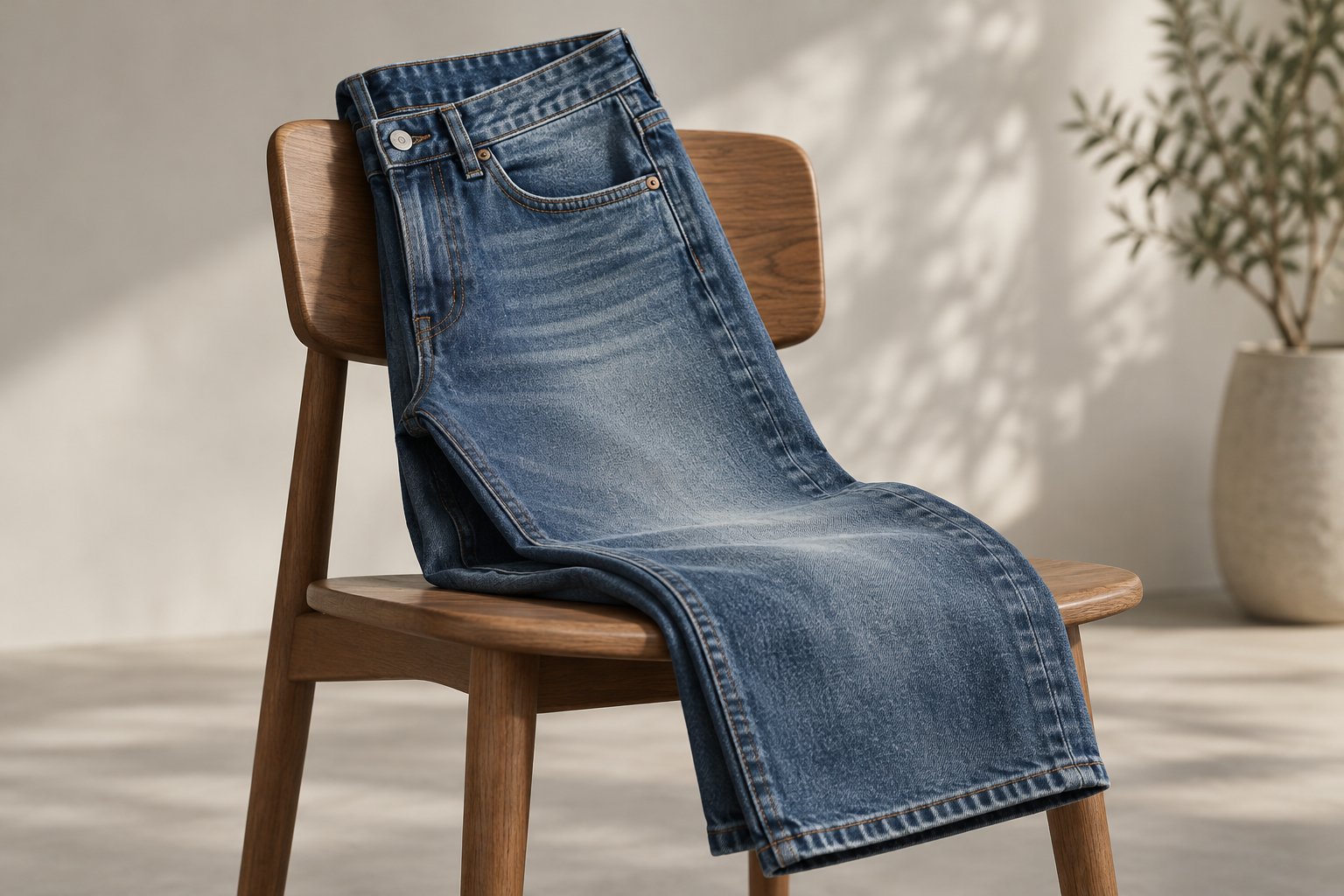
The raw vs washed denim debate ultimately comes down to personal priorities. Raw denim offers a unique, personalized fading journey and a connection to denim’s heritage, but it demands patience and a willingness to endure a stiff break-in. Washed denim provides instant comfort, predictable style, and—thanks to modern sustainable technologies—a much smaller environmental footprint than in the past. There is no universally right answer; the best choice is the one that fits your lifestyle, aesthetic, and values.
For those drawn to the character of washed denim but concerned about sustainability, the good news is that innovation has transformed the industry. Our guide to the best eco-friendly jeans highlights options that combine great looks with responsible production. And if you’re still exploring, learn how laser fading creates waterless denim styles that rival traditional washes. Whichever path you choose, remember that the most sustainable pair of jeans is the one you’ll wear for years to come.
Not necessarily. Raw denim is often made from heavier, denser fabric and has not been weakened by washing, but washed denim can be equally durable if it’s a substantial weight and minimally distressed. Quality depends more on the fabric weight, weave, and construction than on whether it’s raw or washed.
It varies, but most people find raw denim becomes noticeably softer after two to four weeks of regular wear. Full break-in, where the fabric molds to your body and develops initial fades, can take three to six months of frequent wear.
Yes. Traditional washing methods use a lot of water and chemicals, but modern technologies like laser fading and ozone washing can reduce water use by up to 90% and eliminate many harsh chemicals. Look for brands that advertise these sustainable methods.
Yes, raw denim typically shrinks 3-5% after its first wash, especially if washed in warm water. This is why many raw denim enthusiasts buy jeans that are slightly snug initially or choose sanforized raw denim, which has been pre-shrunk.
