



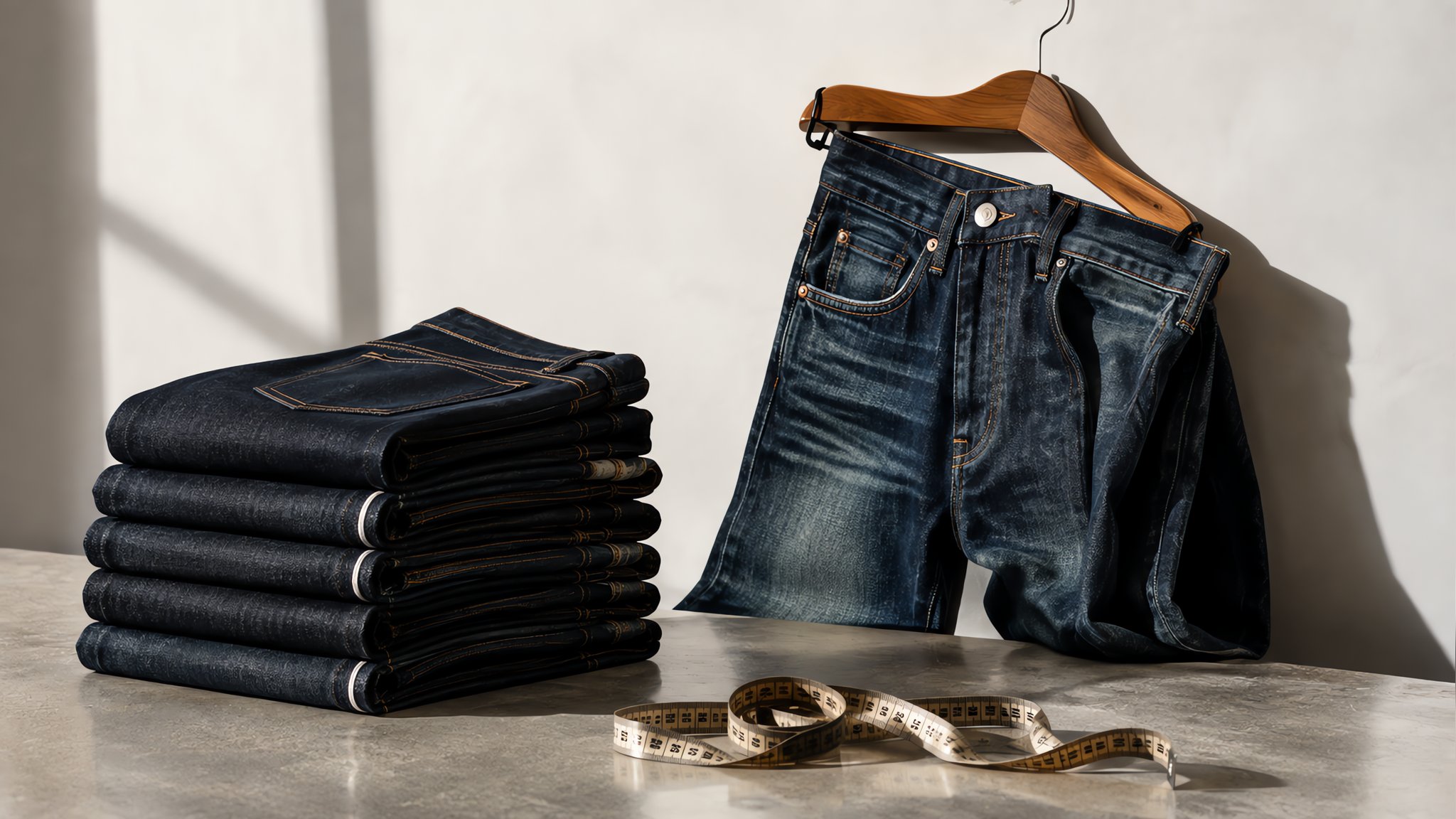
If you’ve ever shopped for jeans, you’ve likely encountered the terms raw denim and washed denim—but what do they actually mean, and why should you care? The choice between raw and washed denim goes far beyond aesthetics; it affects how your jeans feel on day one, how they age over time, how much care they require, and even their environmental footprint. Whether you’re a denim purist chasing unique fades or someone who wants soft, ready-to-wear comfort from the first wear, understanding the differences can save you money, frustration, and a few laundry mishaps.
In this guide, we’ll break down the fundamentals of raw and washed denim, compare their key characteristics, and help you decide which type aligns with your lifestyle. We’ll also explore how sustainable production methods—like the water-saving laser and ozone technologies used by brands such as SIFIRbir—are reshaping the denim landscape. By the end, you’ll have a clear framework for making an informed choice, whether you’re buying your first pair of raw selvedge or upgrading to eco-friendly washed jeans.
Raw denim, also known as dry denim or unwashed denim, is fabric that has not been washed or treated after the dyeing and weaving process. It leaves the loom with its original deep indigo color and a stiff, almost cardboard-like texture. Because no industrial washing or distressing has occurred, raw denim retains all of its natural starch and sizing, which gives it that crisp feel. Over time, as you wear and eventually wash the jeans, the indigo dye gradually fades in areas of high friction—like the thighs, knees, and behind the knees—creating unique, personalized fading patterns known as “whiskers” and “honeycombs.” This personalization is a major draw for denim enthusiasts, as noted in guides on denim fabric types and characteristics.
Washed denim, in contrast, has undergone some form of industrial washing or treatment before it reaches the store. This can range from a simple rinse to remove shrinkage and soften the fabric, to more aggressive processes like stone washing, acid washing, or enzyme washing that create pre-faded, distressed, or broken-in looks. The result is a pair of jeans that feels soft and comfortable from day one, with a predictable fit and color. According to a detailed comparison by Rhysley, washed denim is the commercial standard because it offers consistent sizing and immediate comfort, whereas raw denim can shrink 5–10% after its first wash. This predictability makes washed denim the go-to choice for most everyday consumers.
Traditional denim washing is notoriously resource-intensive, consuming vast amounts of water, energy, and chemicals. However, innovative technologies are changing the game. Laser washing uses precise beams of light to create fades and distress patterns without water or harsh abrasives, while ozone washing employs ozone gas to bleach and soften denim with minimal water and no chlorine. These methods dramatically reduce environmental impact while still delivering the look and feel of washed denim. For those interested in eco-friendly options, understanding these processes is key—our guide on sustainable jeans in 2026 dives deeper into what to look for.
The most immediate difference between raw and washed denim is how they feel when you first put them on. Raw denim is stiff and can be uncomfortable for the first few weeks of wear, as the fabric needs to mold to your body and soften through movement. This break-in period is part of the appeal for purists, but it’s not for everyone. Washed denim, on the other hand, is soft and pliable from the start, requiring no break-in period. If you value instant comfort, washed denim is the clear winner. However, if you enjoy the process of breaking in a pair of jeans and watching them evolve, raw denim offers a rewarding experience.
Fading is where raw denim truly shines. Because the indigo dye sits on the surface of the yarns, it wears away gradually with use, creating high-contrast fades that are unique to your body and lifestyle. No two pairs of raw denim will fade the same way, which is why many enthusiasts consider them a form of self-expression. Washed denim, by contrast, comes with its fading already done—whether it’s a subtle vintage wash or heavy distressing. You know exactly what you’re getting, but you sacrifice the personalization. For a deeper dive into how fading differs, check out our article on raw vs washed denim fading.
Both raw and washed denim can be durable, but raw denim often has an edge because it hasn’t been subjected to the stress of industrial washing, which can weaken fibers over time. However, raw denim requires more careful care—frequent washing can cause excessive shrinkage and loss of indigo, while infrequent washing can lead to fabric breakdown from dirt and oils. Washed denim is generally more forgiving and can be laundered regularly without dramatic changes. That said, the durability of any pair ultimately depends on the quality of the fabric and construction, not just whether it’s raw or washed.
From an environmental perspective, raw denim has a lower initial footprint because it skips the water- and energy-intensive washing process. However, the story doesn’t end there: raw denim wearers often wash their jeans less frequently, which saves water over the garment’s lifetime. On the other hand, washed denim—especially when produced with conventional methods—can consume up to 50 liters of water per pair just in finishing. This is where sustainable technologies make a difference. Brands like SIFIRbir use laser and ozone washing to achieve the look of washed denim with a fraction of the water and chemicals. If sustainability is a priority, look for washed denim that’s been produced with these low-impact methods, or opt for raw denim and practice minimal washing. Our guide on choosing eco-friendly jeans outlines key criteria to consider.
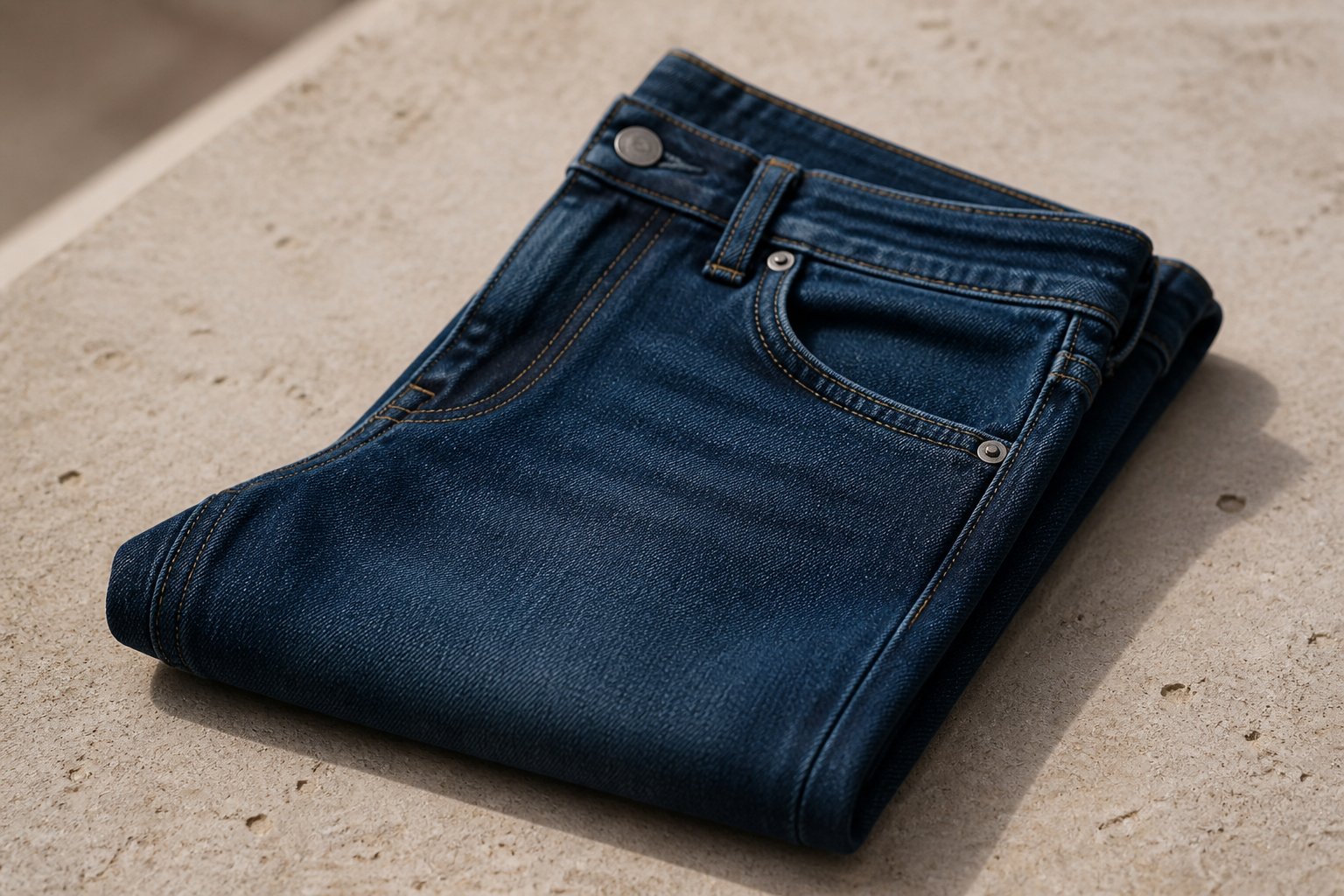
Choosing between raw and washed denim ultimately comes down to your personal preferences, lifestyle, and values. Raw denim offers a unique, personalized fading journey and a connection to traditional craftsmanship, but it demands patience and care. Washed denim provides immediate comfort, predictable fit, and a wide range of styles, and when produced with sustainable technologies, it can be just as eco-friendly. As the denim industry evolves, innovations like laser and ozone washing are blurring the lines—allowing you to enjoy the best of both worlds: the look of a perfect fade with a fraction of the environmental impact.
Remember, there’s no universally “better” choice. Consider how you wear your jeans, how much maintenance you’re willing to do, and what environmental footprint you’re comfortable with. For more guidance on building a sustainable denim wardrobe, explore our sustainable jeans buying guide or browse our new releases to see how eco-friendly denim can look and feel.
It depends on your priorities. Raw denim offers unique fading and a personalized break-in experience but requires more care and patience. Washed denim is softer, more predictable, and often more convenient. Neither is inherently better; choose based on your lifestyle and preferences.
Yes, raw denim can shrink 5–10% after its first wash, especially if it’s unsanforized. To minimize shrinkage, look for sanforized raw denim or size up accordingly. Always wash in cold water and air dry to reduce further shrinkage.
Most raw denim enthusiasts recommend waiting at least 6 months of regular wear before the first wash to allow natural fades to develop. After that, wash only when necessary—every few months—using cold water and mild detergent, and always air dry.
Yes, if it’s produced using low-impact methods like laser, ozone, or enzyme washing. These technologies drastically reduce water and chemical use compared to traditional washing. Look for brands that transparently communicate their washing processes and certifications.
